

Tumor Lysis Syndrome (TLS)
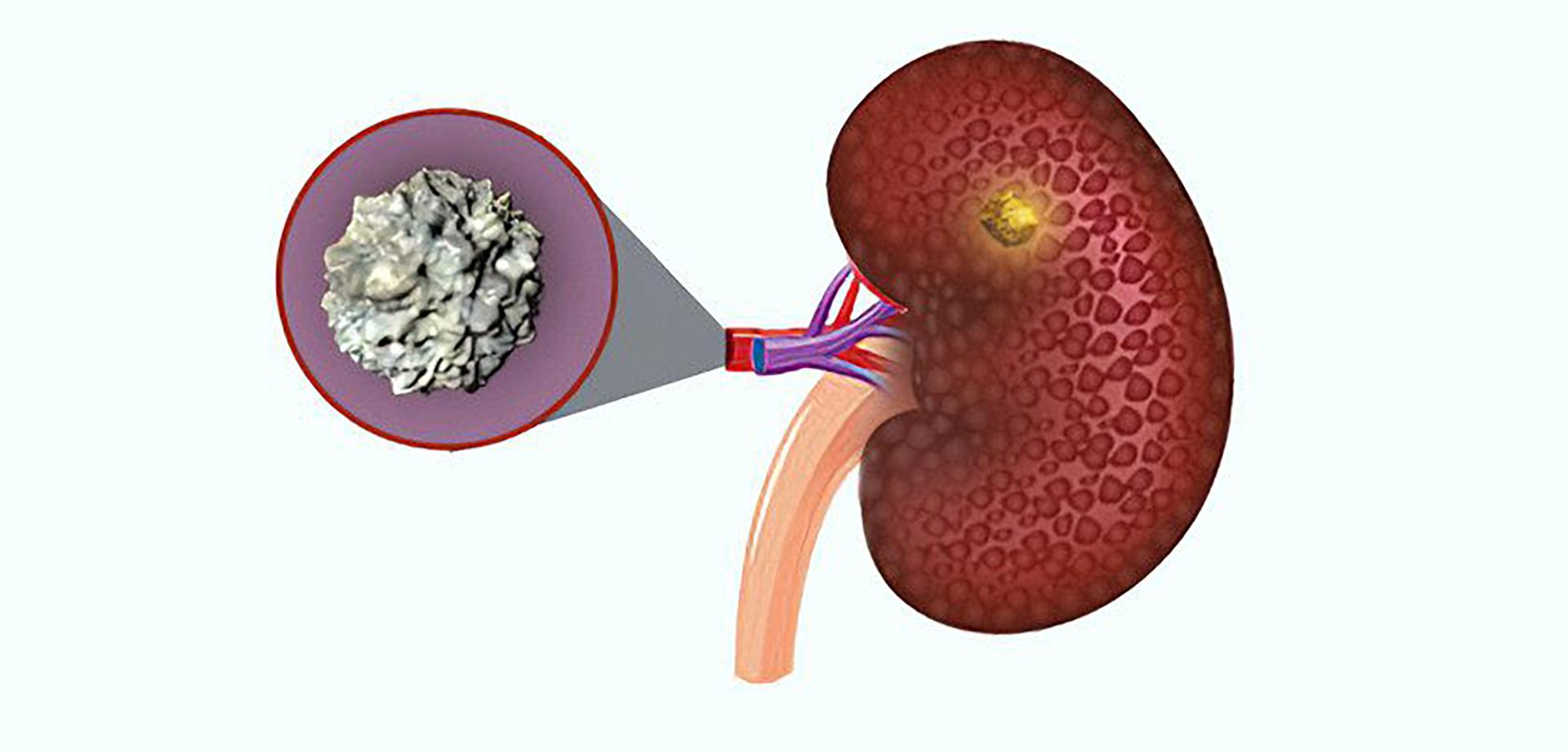
Tumor Lysis Syndrome (TLS) is a potentially life-threatening metabolic emergency that occurs when large numbers of tumor cells break down rapidly, releasing intracellular contents into the bloodstream. This condition is most commonly associated with hematological malignancies but may also occur in solid tumors, particularly after initiation of chemotherapy or immunotherapy.
At IMH, TLS support is delivered through a coordinated oncology-nephrology-care pathway focused on early identification, prevention, and rapid treatment to protect kidney function and stabilize metabolic abnormalities.
TLS leads to characteristic biochemical changes, including hyperuricemia, hyperkalemia, hyperphosphatemia, hypocalcemia, and acute kidney injury. These abnormalities can result in cardiac arrhythmias, seizures, and renal failure if not managed promptly.
IMH emphasizes proactive risk stratification before cancer therapy. High-risk patients undergo preventive measures such as aggressive hydration, uric acid–lowering agents, and close laboratory monitoring. Nephrologists work closely with oncologists to tailor preventive strategies based on tumor burden and treatment intensity.
When TLS develops, management includes intensive fluid therapy, correction of electrolyte imbalances, and pharmacologic interventions to reduce uric acid levels. Continuous monitoring ensures rapid response to evolving complications.
Renal replacement therapy may be required in severe cases with refractory metabolic derangements or established kidney failure. IMH’s ICU and nephrology teams ensure timely initiation of dialysis when indicated.
Through integrated, proactive care, IMH minimizes the risk and impact of tumor lysis syndrome while supporting safe cancer treatment delivery.
At IMH, TLS support is delivered through a coordinated oncology-nephrology-care pathway focused on early identification, prevention, and rapid treatment to protect kidney function and stabilize metabolic abnormalities.
TLS leads to characteristic biochemical changes, including hyperuricemia, hyperkalemia, hyperphosphatemia, hypocalcemia, and acute kidney injury. These abnormalities can result in cardiac arrhythmias, seizures, and renal failure if not managed promptly.
IMH emphasizes proactive risk stratification before cancer therapy. High-risk patients undergo preventive measures such as aggressive hydration, uric acid–lowering agents, and close laboratory monitoring. Nephrologists work closely with oncologists to tailor preventive strategies based on tumor burden and treatment intensity.
When TLS develops, management includes intensive fluid therapy, correction of electrolyte imbalances, and pharmacologic interventions to reduce uric acid levels. Continuous monitoring ensures rapid response to evolving complications.
Renal replacement therapy may be required in severe cases with refractory metabolic derangements or established kidney failure. IMH’s ICU and nephrology teams ensure timely initiation of dialysis when indicated.
Through integrated, proactive care, IMH minimizes the risk and impact of tumor lysis syndrome while supporting safe cancer treatment delivery.
Quick Contact
If you have any questions simply use the following contact details.

Working Hours
-
Out-patient Department
Monday to Saturday 08:00 AM - 09:00 PM
Sunday 10:00 AM - 06:00 PM
-
Emergency Department & Pharmacy
Sunday to Saturday 24x7



Book Appointments, Inquire, or Manage Your Care Easily – Get in Touch via
 04 406 3000
  04 406 3000
Quick Links
Legal
Working Hours
-
Out-patient Department
Monday to Saturday | 8 AM to 9 PM
Sunday | 10 AM to 6 PM
Emergency Department & Pharmacy | 24x7
Connect with us!




©2026 IMH. All Rights Reserved. Ministry of Health License No : TEBMJIU0-060622