

Skin Lesion Excision
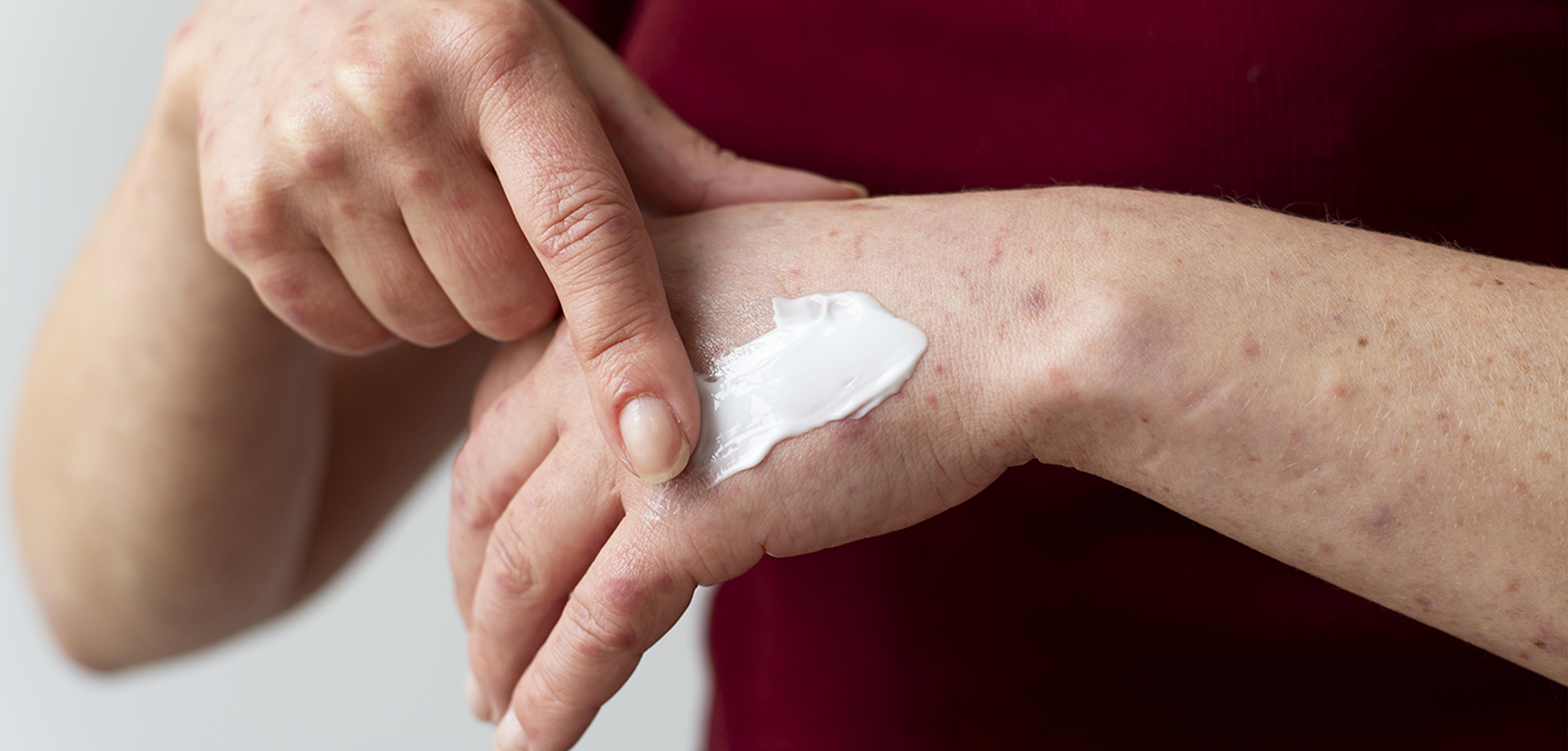
Skin lesion excision is a surgical procedure performed to remove abnormal, symptomatic, suspicious, or cosmetically concerning growths from the skin and underlying soft tissue. These lesions may be benign, pre-malignant, or of uncertain nature and can arise due to genetic factors, sun exposure, aging, chronic irritation, infection, or trauma. While many skin lesions are harmless, excision is often recommended to establish a definitive diagnosis, relieve symptoms, prevent progression, or improve appearance.
Common lesions requiring excision include moles (nevi), cysts, lipomas, dermatofibromas, sebaceous lesions, skin tags, and pigmented or irregular growths with concerning features. Lesions that change in size, color, shape, or texture; bleed spontaneously; ulcerate; or become painful warrant prompt evaluation. In visible areas such as the face, neck, scalp, and hands, even benign lesions may cause significant cosmetic or psychological distress.
Evaluation begins with a detailed clinical examination focusing on lesion characteristics, duration, rate of growth, and patient history, including sun exposure and family history of skin cancer. When malignancy cannot be ruled out clinically, surgical excision with histopathological analysis is the gold standard for diagnosis and management. This approach provides certainty and guides any further treatment if required.
From a plastic surgery perspective, excision prioritizes both complete lesion removal and optimal aesthetic outcome. Incisions are planned along natural skin tension lines, and meticulous closure techniques are used to minimize scarring and preserve surrounding structures. This is especially important for facial and functionally sensitive areas where scar quality and tissue preservation are critical.
The procedure is typically performed under local anesthesia as a day-care intervention. Postoperative care focuses on wound healing, scar optimization, and monitoring for recurrence. Patients are counseled on sun protection and skin surveillance to reduce future risk.
Skin lesion excision provides reassurance, symptom relief, and cosmetic improvement. When performed with careful planning and surgical precision, it delivers excellent functional and aesthetic outcomes while ensuring patient safety and diagnostic accuracy.
Common lesions requiring excision include moles (nevi), cysts, lipomas, dermatofibromas, sebaceous lesions, skin tags, and pigmented or irregular growths with concerning features. Lesions that change in size, color, shape, or texture; bleed spontaneously; ulcerate; or become painful warrant prompt evaluation. In visible areas such as the face, neck, scalp, and hands, even benign lesions may cause significant cosmetic or psychological distress.
Evaluation begins with a detailed clinical examination focusing on lesion characteristics, duration, rate of growth, and patient history, including sun exposure and family history of skin cancer. When malignancy cannot be ruled out clinically, surgical excision with histopathological analysis is the gold standard for diagnosis and management. This approach provides certainty and guides any further treatment if required.
From a plastic surgery perspective, excision prioritizes both complete lesion removal and optimal aesthetic outcome. Incisions are planned along natural skin tension lines, and meticulous closure techniques are used to minimize scarring and preserve surrounding structures. This is especially important for facial and functionally sensitive areas where scar quality and tissue preservation are critical.
The procedure is typically performed under local anesthesia as a day-care intervention. Postoperative care focuses on wound healing, scar optimization, and monitoring for recurrence. Patients are counseled on sun protection and skin surveillance to reduce future risk.
Skin lesion excision provides reassurance, symptom relief, and cosmetic improvement. When performed with careful planning and surgical precision, it delivers excellent functional and aesthetic outcomes while ensuring patient safety and diagnostic accuracy.
Quick Contact
If you have any questions simply use the following contact details.

Working Hours
-
Out-patient Department
Monday to Saturday 08:00 AM - 09:00 PM
Sunday 10:00 AM - 06:00 PM
-
Emergency Department & Pharmacy
Sunday to Saturday 24x7



Book Appointments, Inquire, or Manage Your Care Easily – Get in Touch via
 04 406 3000
  04 406 3000
Quick Links
Legal
Working Hours
-
Out-patient Department
Monday to Saturday | 8 AM to 9 PM
Sunday | 10 AM to 6 PM
Emergency Department & Pharmacy | 24x7
Connect with us!




©2026 IMH. All Rights Reserved. Ministry of Health License No : TEBMJIU0-060622