

Root Canal Treatment
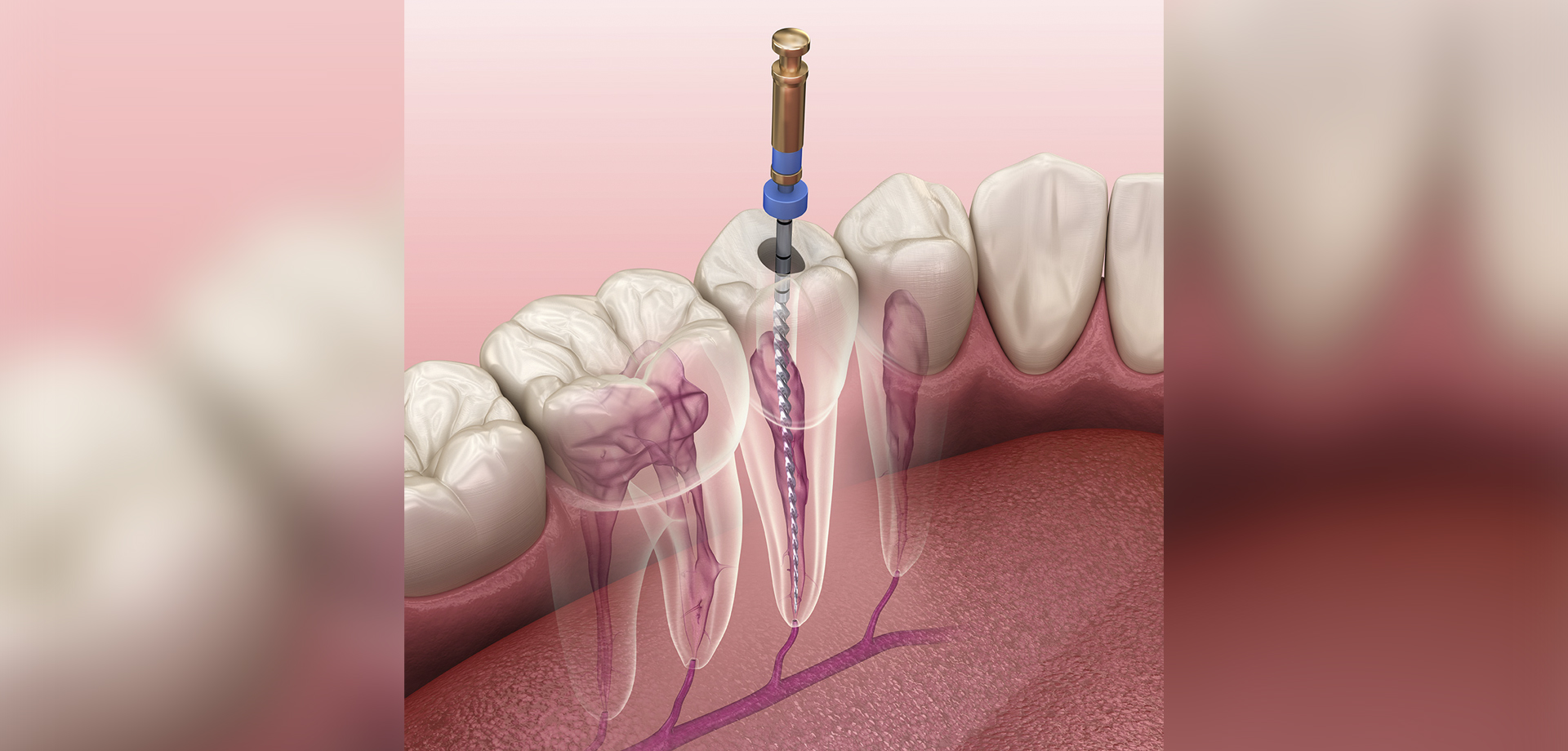
Root canal treatment is a specialized dental procedure performed to treat infection or inflammation of the tooth pulp, which contains nerves and blood vessels. Pulp infection typically occurs when deep tooth decay, trauma, cracks, or repeated dental procedures allow bacteria to enter the inner chamber of the tooth. Once infected, the pulp cannot heal on its own, and without treatment, the infection can spread to surrounding tissues, leading to severe pain, swelling, abscess formation, and eventual tooth loss.
The primary objective of root canal treatment is to remove the infected pulp, disinfect the internal canal system, and seal the tooth to prevent reinfection. Contrary to common misconceptions, modern root canal procedures are highly controlled and comfortable due to advances in anesthesia, instrumentation, and imaging. Saving the natural tooth through root canal therapy is always preferable to extraction, as it preserves normal biting function and prevents shifting of adjacent teeth.
The procedure begins with a detailed clinical and radiographic assessment to determine the extent of infection and root anatomy. Local anesthesia is administered to ensure a painless experience. The dentist creates a small access opening in the tooth to remove the infected pulp tissue and thoroughly clean the canals using specialized instruments and antimicrobial solutions. Once cleaned and shaped, the canals are filled with a biocompatible material and sealed to prevent bacterial re-entry. In most cases, a crown is placed after treatment to restore strength and protect the tooth from fracture.
Root canal treatment effectively eliminates infection and relieves pain while allowing patients to retain their natural teeth. Successful treatment restores chewing efficiency and maintains proper jaw alignment. When combined with appropriate restoration and good oral hygiene, root canal–treated teeth can last a lifetime.
Post-treatment recovery is usually straightforward, with mild tenderness resolving within a few days. Patients are advised to follow oral hygiene instructions, avoid chewing hard foods on the treated tooth until final restoration, and attend follow-up visits. Root canal therapy remains one of the most reliable procedures in dentistry for managing infected teeth and preventing tooth loss.
The primary objective of root canal treatment is to remove the infected pulp, disinfect the internal canal system, and seal the tooth to prevent reinfection. Contrary to common misconceptions, modern root canal procedures are highly controlled and comfortable due to advances in anesthesia, instrumentation, and imaging. Saving the natural tooth through root canal therapy is always preferable to extraction, as it preserves normal biting function and prevents shifting of adjacent teeth.
The procedure begins with a detailed clinical and radiographic assessment to determine the extent of infection and root anatomy. Local anesthesia is administered to ensure a painless experience. The dentist creates a small access opening in the tooth to remove the infected pulp tissue and thoroughly clean the canals using specialized instruments and antimicrobial solutions. Once cleaned and shaped, the canals are filled with a biocompatible material and sealed to prevent bacterial re-entry. In most cases, a crown is placed after treatment to restore strength and protect the tooth from fracture.
Root canal treatment effectively eliminates infection and relieves pain while allowing patients to retain their natural teeth. Successful treatment restores chewing efficiency and maintains proper jaw alignment. When combined with appropriate restoration and good oral hygiene, root canal–treated teeth can last a lifetime.
Post-treatment recovery is usually straightforward, with mild tenderness resolving within a few days. Patients are advised to follow oral hygiene instructions, avoid chewing hard foods on the treated tooth until final restoration, and attend follow-up visits. Root canal therapy remains one of the most reliable procedures in dentistry for managing infected teeth and preventing tooth loss.
Quick Contact
If you have any questions simply use the following contact details.

Working Hours
-
Out-patient Department
Monday to Saturday 08:00 AM - 09:00 PM
Sunday 10:00 AM - 06:00 PM
-
Emergency Department & Pharmacy
Sunday to Saturday 24x7



Book Appointments, Inquire, or Manage Your Care Easily – Get in Touch via
 04 406 3000
  04 406 3000
Quick Links
Legal
Working Hours
-
Out-patient Department
Monday to Saturday | 8 AM to 9 PM
Sunday | 10 AM to 6 PM
Emergency Department & Pharmacy | 24x7
Connect with us!




©2026 IMH. All Rights Reserved. Ministry of Health License No : TEBMJIU0-060622