

Post-renal AKI Management
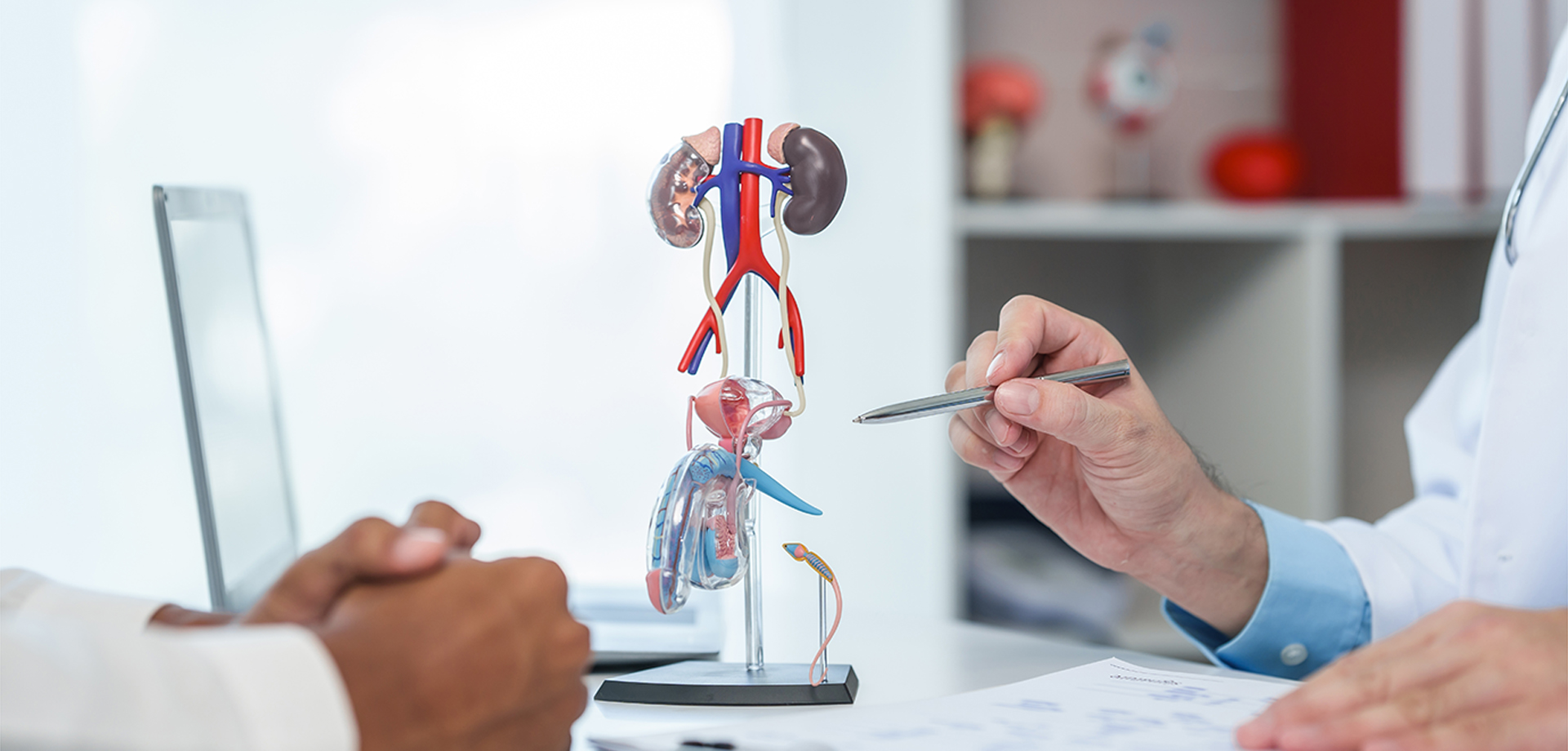
Post-renal acute kidney injury (AKI) occurs due to obstruction of urine flow anywhere along the urinary tract, leading to increased intrarenal pressure, impaired glomerular filtration, and progressive kidney dysfunction. Unlike pre-renal or intrinsic AKI, post-renal AKI is potentially reversible if diagnosed early and obstruction is promptly relieved.
At International Modern Hospital, post-renal AKI is managed as a urological–nephrological emergency, requiring rapid diagnosis, urgent decompression, and close renal monitoring to prevent permanent kidney damage.
Common causes include prostatic enlargement, ureteric stones, malignancy-related compression, urethral strictures, neurogenic bladder, and postoperative urinary retention. Bilateral obstruction or obstruction in a solitary functioning kidney carries the highest risk of severe renal failure.
Diagnosis begins with urgent imaging, typically ultrasound or CT, to identify hydronephrosis and the level of obstruction. Laboratory evaluation assesses renal function, electrolyte disturbances, acid–base balance, and complications such as hyperkalemia or metabolic acidosis.
Immediate relief of obstruction is the cornerstone of treatment.
This may involve:
Bladder catheterization for lower urinary tract obstruction
Ureteric stenting for ureteral blockage
Percutaneous nephrostomy for high-grade or malignant obstruction
Surgical intervention when required
Nephrologists manage post-decompression care, as rapid diuresis (post-obstructive diuresis) can cause severe fluid and electrolyte shifts. Careful fluid replacement, electrolyte correction, and hemodynamic monitoring are essential during recovery.
Renal function often improves gradually after obstruction relief, but delayed diagnosis can result in irreversible tubular damage. Dialysis may be required temporarily in severe cases with metabolic complications.
IMH’s structured approach ensures rapid obstruction relief, prevention of secondary complications, and optimized renal recovery.
At International Modern Hospital, post-renal AKI is managed as a urological–nephrological emergency, requiring rapid diagnosis, urgent decompression, and close renal monitoring to prevent permanent kidney damage.
Common causes include prostatic enlargement, ureteric stones, malignancy-related compression, urethral strictures, neurogenic bladder, and postoperative urinary retention. Bilateral obstruction or obstruction in a solitary functioning kidney carries the highest risk of severe renal failure.
Diagnosis begins with urgent imaging, typically ultrasound or CT, to identify hydronephrosis and the level of obstruction. Laboratory evaluation assesses renal function, electrolyte disturbances, acid–base balance, and complications such as hyperkalemia or metabolic acidosis.
Immediate relief of obstruction is the cornerstone of treatment.
This may involve:
Bladder catheterization for lower urinary tract obstruction
Ureteric stenting for ureteral blockage
Percutaneous nephrostomy for high-grade or malignant obstruction
Surgical intervention when required
Nephrologists manage post-decompression care, as rapid diuresis (post-obstructive diuresis) can cause severe fluid and electrolyte shifts. Careful fluid replacement, electrolyte correction, and hemodynamic monitoring are essential during recovery.
Renal function often improves gradually after obstruction relief, but delayed diagnosis can result in irreversible tubular damage. Dialysis may be required temporarily in severe cases with metabolic complications.
IMH’s structured approach ensures rapid obstruction relief, prevention of secondary complications, and optimized renal recovery.
Quick Contact
If you have any questions simply use the following contact details.

Working Hours
-
Out-patient Department
Monday to Saturday 08:00 AM - 09:00 PM
Sunday 10:00 AM - 06:00 PM
-
Emergency Department & Pharmacy
Sunday to Saturday 24x7



Book Appointments, Inquire, or Manage Your Care Easily – Get in Touch via
 04 406 3000
  04 406 3000
Quick Links
Legal
Working Hours
-
Out-patient Department
Monday to Saturday | 8 AM to 9 PM
Sunday | 10 AM to 6 PM
Emergency Department & Pharmacy | 24x7
Connect with us!




©2026 IMH. All Rights Reserved. Ministry of Health License No : TEBMJIU0-060622