

Normal Vaginal Delivery (NVD)
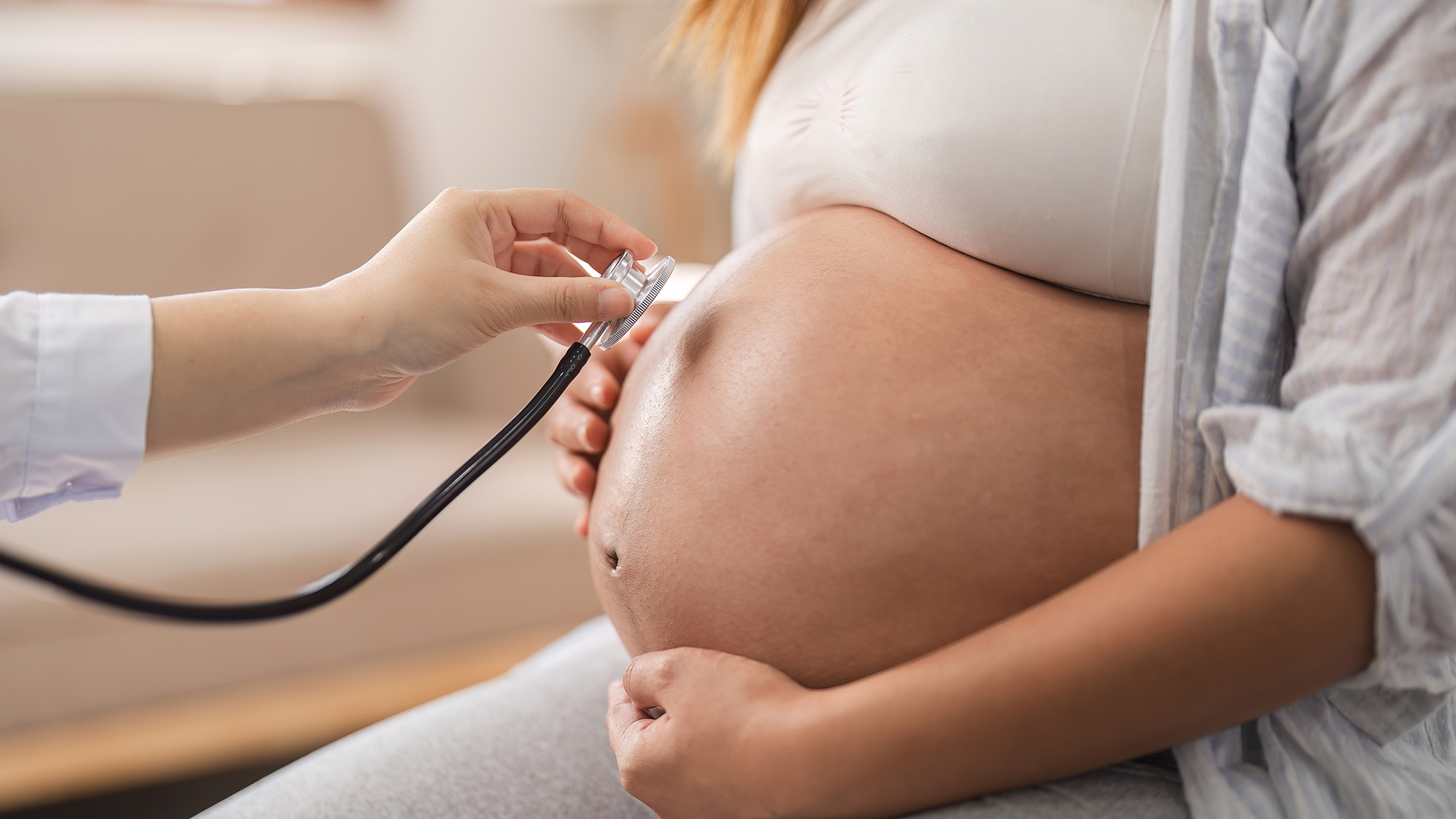
Normal vaginal delivery (NVD) is the natural physiological process of childbirth in which a baby is delivered through the birth canal without the need for major surgical intervention. It is the most common and preferred mode of delivery for uncomplicated pregnancies and represents a complex interplay of maternal anatomy, uterine contractions, fetal positioning, and hormonal regulation. When appropriately supported and monitored, normal vaginal delivery offers significant benefits for both mother and newborn.
The process of normal vaginal delivery occurs in stages. The first stage involves the onset of regular uterine contractions leading to cervical effacement and dilation. This stage can vary widely in duration depending on parity, uterine efficiency, and maternal factors. Continuous monitoring during this phase ensures maternal comfort, fetal well-being, and timely recognition of deviations from normal labor progression. Pain management options may include non-pharmacological methods such as breathing techniques and movement, as well as pharmacological options when required.
The second stage of labor begins with full cervical dilation and culminates in the birth of the baby. Coordinated maternal pushing efforts combined with uterine contractions facilitate descent and delivery of the fetus. Careful monitoring of fetal heart rate and maternal condition during this stage is essential to ensure safety. Controlled delivery techniques help minimize perineal trauma and support gradual stretching of the birth canal.
The third stage of labor involves delivery of the placenta and stabilization of the uterus to prevent excessive bleeding. Active management of this stage reduces the risk of postpartum hemorrhage, one of the most significant complications of childbirth. Following delivery, close observation ensures early identification of maternal or neonatal concerns.
Normal vaginal delivery is associated with faster maternal recovery, shorter hospital stay, reduced surgical risks, and lower incidence of infection compared to operative delivery. Mothers are typically able to mobilize early, initiate breastfeeding sooner, and experience fewer postoperative complications. For the newborn, vaginal birth supports respiratory adaptation, exposure to beneficial maternal microbiota, and smoother physiological transition to extrauterine life.
Despite being a natural process, normal vaginal delivery requires skilled clinical supervision. Continuous assessment allows early recognition of prolonged labor, fetal distress, or maternal exhaustion, ensuring timely escalation to assisted delivery or cesarean section when necessary. Preparedness for emergency intervention is a critical component of safe vaginal birth.
Normal vaginal delivery also has long-term health implications. It is associated with lower risks in future pregnancies, reduced incidence of placental complications, and favorable maternal outcomes when compared to repeated surgical births. With appropriate antenatal selection, intrapartum monitoring, and postpartum care, normal
The process of normal vaginal delivery occurs in stages. The first stage involves the onset of regular uterine contractions leading to cervical effacement and dilation. This stage can vary widely in duration depending on parity, uterine efficiency, and maternal factors. Continuous monitoring during this phase ensures maternal comfort, fetal well-being, and timely recognition of deviations from normal labor progression. Pain management options may include non-pharmacological methods such as breathing techniques and movement, as well as pharmacological options when required.
The second stage of labor begins with full cervical dilation and culminates in the birth of the baby. Coordinated maternal pushing efforts combined with uterine contractions facilitate descent and delivery of the fetus. Careful monitoring of fetal heart rate and maternal condition during this stage is essential to ensure safety. Controlled delivery techniques help minimize perineal trauma and support gradual stretching of the birth canal.
The third stage of labor involves delivery of the placenta and stabilization of the uterus to prevent excessive bleeding. Active management of this stage reduces the risk of postpartum hemorrhage, one of the most significant complications of childbirth. Following delivery, close observation ensures early identification of maternal or neonatal concerns.
Normal vaginal delivery is associated with faster maternal recovery, shorter hospital stay, reduced surgical risks, and lower incidence of infection compared to operative delivery. Mothers are typically able to mobilize early, initiate breastfeeding sooner, and experience fewer postoperative complications. For the newborn, vaginal birth supports respiratory adaptation, exposure to beneficial maternal microbiota, and smoother physiological transition to extrauterine life.
Despite being a natural process, normal vaginal delivery requires skilled clinical supervision. Continuous assessment allows early recognition of prolonged labor, fetal distress, or maternal exhaustion, ensuring timely escalation to assisted delivery or cesarean section when necessary. Preparedness for emergency intervention is a critical component of safe vaginal birth.
Normal vaginal delivery also has long-term health implications. It is associated with lower risks in future pregnancies, reduced incidence of placental complications, and favorable maternal outcomes when compared to repeated surgical births. With appropriate antenatal selection, intrapartum monitoring, and postpartum care, normal
Quick Contact
If you have any questions simply use the following contact details.

Working Hours
-
Out-patient Department
Monday to Saturday 08:00 AM - 09:00 PM
Sunday 10:00 AM - 06:00 PM
-
Emergency Department & Pharmacy
Sunday to Saturday 24x7



Book Appointments, Inquire, or Manage Your Care Easily – Get in Touch via
 04 406 3000
  04 406 3000
Quick Links
Legal
Working Hours
-
Out-patient Department
Monday to Saturday | 8 AM to 9 PM
Sunday | 10 AM to 6 PM
Emergency Department & Pharmacy | 24x7
Connect with us!




©2026 IMH. All Rights Reserved. Ministry of Health License No : TEBMJIU0-060622