

Myomectomy
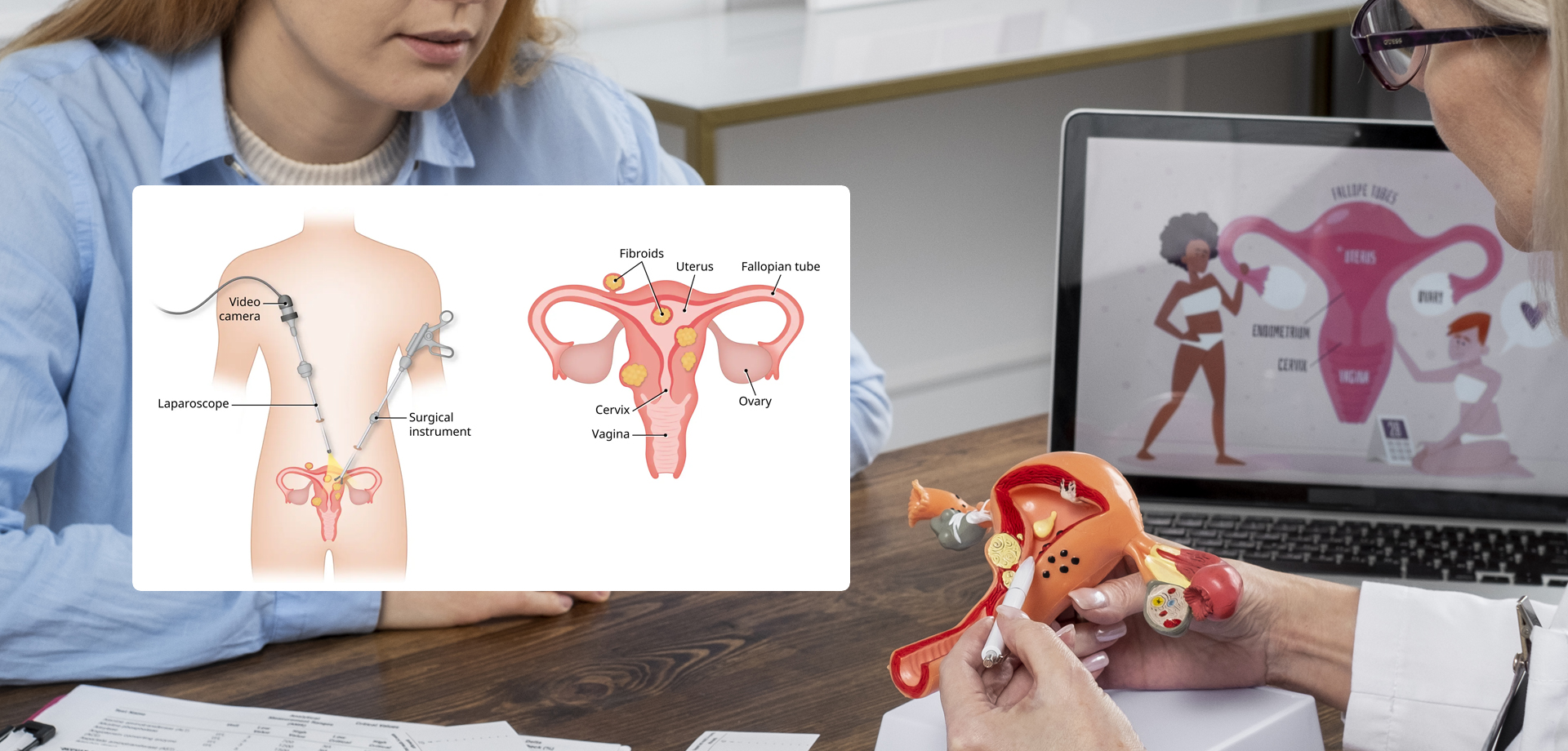
Myomectomy is a surgical procedure performed to remove uterine fibroids while preserving the uterus. It is a preferred treatment option for women who wish to retain fertility or avoid removal of the uterus, and it plays a critical role in the management of symptomatic fibroids that cause heavy menstrual bleeding, pelvic pain, pressure symptoms, or reproductive complications. Unlike hysterectomy, myomectomy targets fibroids specifically while maintaining uterine structure and function.
Uterine fibroids vary widely in size, number, and location, and these factors significantly influence symptoms and surgical planning. Fibroids may be located within the uterine cavity, embedded in the uterine wall, or projecting outward from the uterus. Submucosal fibroids often cause heavy bleeding and fertility issues, while intramural and subserosal fibroids may lead to pelvic pain, pressure on surrounding organs, and pregnancy complications.
Indications for myomectomy include heavy or prolonged menstrual bleeding unresponsive to medical therapy, infertility attributed to fibroids, recurrent pregnancy loss, pelvic pain, urinary or bowel symptoms due to fibroid pressure, and rapid fibroid growth. Careful preoperative evaluation is essential to assess fibroid characteristics, uterine anatomy, and overall suitability for uterine-preserving surgery.
Myomectomy can be performed through different surgical approaches depending on fibroid location, size, and number. These include hysteroscopic myomectomy for fibroids within the uterine cavity, laparoscopic or robotic-assisted myomectomy for selected intramural or subserosal fibroids, and open abdominal myomectomy for large or multiple fibroids. Each approach has specific benefits and considerations related to recovery, blood loss, and future pregnancy outcomes.
The surgical objective of myomectomy is complete removal of fibroids with meticulous reconstruction of the uterine wall to restore strength and integrity. This is particularly important for women planning future pregnancies, as uterine healing affects obstetric outcomes. Blood loss management is a key aspect of surgery, and modern techniques have significantly improved safety and recovery.
Postoperative care focuses on pain control, monitoring for bleeding or infection, and gradual return to normal activity. Recovery time varies depending on surgical approach, with minimally invasive techniques offering faster recovery. Although fibroids may recur over time, myomectomy provides long-term symptom relief for many women.
Myomectomy is an effective and fertility-preserving surgical option that addresses the impact of fibroids on quality of life and reproductive health. When appropriately selected and expertly performed, it offers durable symptom control while maintaining future reproductive potential.
Uterine fibroids vary widely in size, number, and location, and these factors significantly influence symptoms and surgical planning. Fibroids may be located within the uterine cavity, embedded in the uterine wall, or projecting outward from the uterus. Submucosal fibroids often cause heavy bleeding and fertility issues, while intramural and subserosal fibroids may lead to pelvic pain, pressure on surrounding organs, and pregnancy complications.
Indications for myomectomy include heavy or prolonged menstrual bleeding unresponsive to medical therapy, infertility attributed to fibroids, recurrent pregnancy loss, pelvic pain, urinary or bowel symptoms due to fibroid pressure, and rapid fibroid growth. Careful preoperative evaluation is essential to assess fibroid characteristics, uterine anatomy, and overall suitability for uterine-preserving surgery.
Myomectomy can be performed through different surgical approaches depending on fibroid location, size, and number. These include hysteroscopic myomectomy for fibroids within the uterine cavity, laparoscopic or robotic-assisted myomectomy for selected intramural or subserosal fibroids, and open abdominal myomectomy for large or multiple fibroids. Each approach has specific benefits and considerations related to recovery, blood loss, and future pregnancy outcomes.
The surgical objective of myomectomy is complete removal of fibroids with meticulous reconstruction of the uterine wall to restore strength and integrity. This is particularly important for women planning future pregnancies, as uterine healing affects obstetric outcomes. Blood loss management is a key aspect of surgery, and modern techniques have significantly improved safety and recovery.
Postoperative care focuses on pain control, monitoring for bleeding or infection, and gradual return to normal activity. Recovery time varies depending on surgical approach, with minimally invasive techniques offering faster recovery. Although fibroids may recur over time, myomectomy provides long-term symptom relief for many women.
Myomectomy is an effective and fertility-preserving surgical option that addresses the impact of fibroids on quality of life and reproductive health. When appropriately selected and expertly performed, it offers durable symptom control while maintaining future reproductive potential.
Quick Contact
If you have any questions simply use the following contact details.

Working Hours
-
Out-patient Department
Monday to Saturday 08:00 AM - 09:00 PM
Sunday 10:00 AM - 06:00 PM
-
Emergency Department & Pharmacy
Sunday to Saturday 24x7


Book Appointments, Inquire, or Manage Your Care Easily – Get in Touch via
 04 406 3000
  04 406 3000
Quick Links
Legal
Working Hours
-
Out-patient Department
Monday to Saturday | 8 AM to 9 PM
Sunday | 10 AM to 6 PM
Emergency Department & Pharmacy | 24x7
Connect with us!




©2026 IMH. All Rights Reserved. Ministry of Health License No : TEBMJIU0-060622