

Monitored Anesthesia Care (MAC)
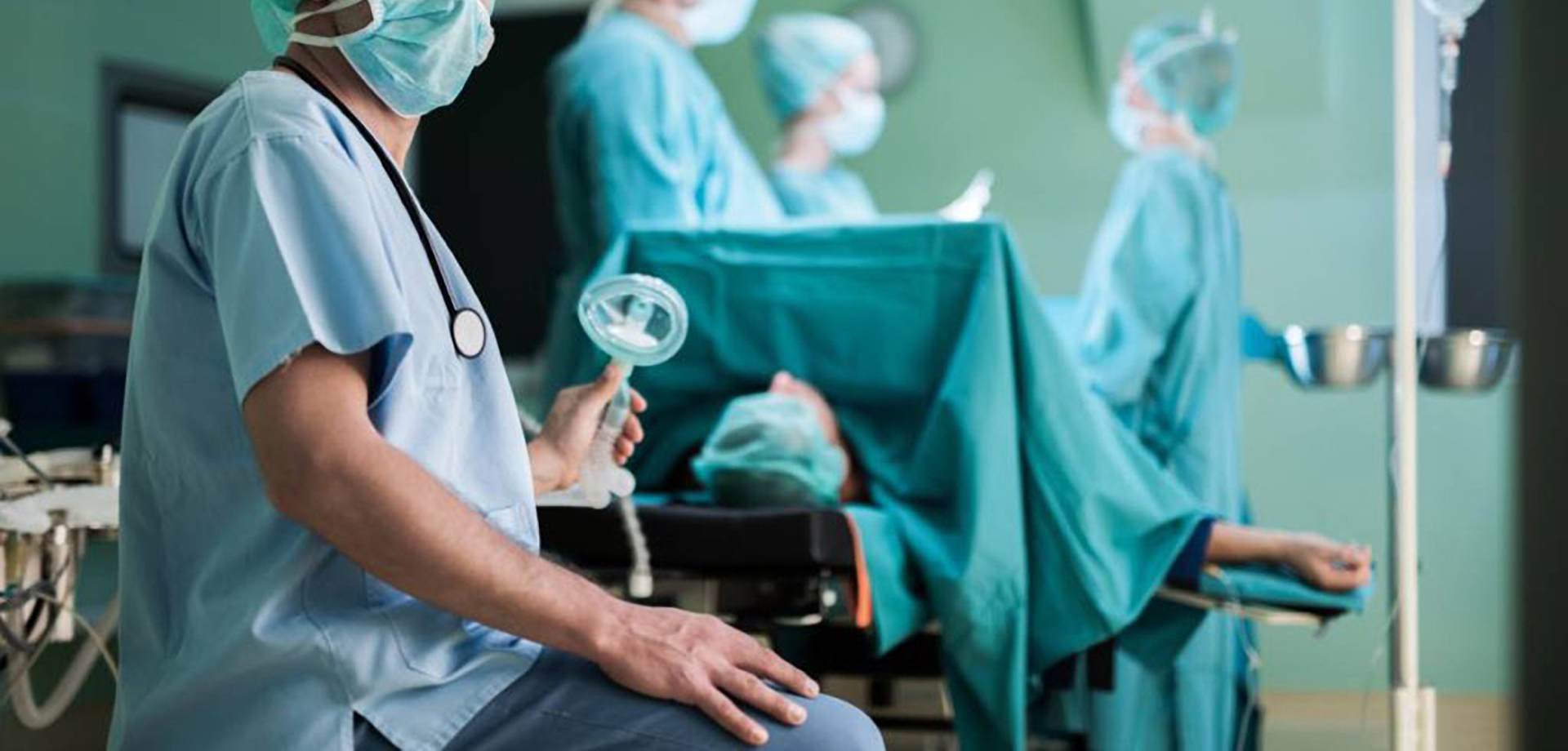
Monitored Anesthesia Care (MAC) is an anesthesia service that involves the administration of sedatives, analgesics, and anxiolytics under the continuous supervision of an anesthesiologist, tailored to the patient’s needs and procedural requirements. MAC combines vigilant physiological monitoring with the ability to convert seamlessly to general anesthesia if necessary, making it a highly adaptable anesthesia approach for a wide range of procedures.
Unlike general anesthesia, MAC does not routinely induce complete unconsciousness. Instead, it provides varying depths of sedation, from minimal to deep sedation, depending on the clinical context. Patients may remain awake, lightly sedated, or deeply sedated while maintaining spontaneous ventilation. The defining feature of MAC is not the depth of sedation but the presence of an anesthesia professional dedicated to patient monitoring and safety.
MAC is commonly used for procedures such as ophthalmic surgery, endoscopy, interventional cardiology, pain management procedures, minor surgical interventions, and diagnostic procedures. It is particularly valuable in patients who may not tolerate general anesthesia well due to advanced age, cardiovascular disease, respiratory compromise, or other medical conditions.
Pre-anesthetic assessment for MAC is as comprehensive as for general anesthesia. The anesthesiologist evaluates medical history, airway status, procedural requirements, and patient preferences. This preparation ensures readiness to manage sedation-related complications or escalate care if deeper anesthesia becomes necessary.
During MAC, sedative and analgesic medications are administered intravenously and carefully titrated to achieve patient comfort while maintaining physiological stability. Continuous monitoring includes heart rate, blood pressure, oxygen saturation, respiratory status, and level of consciousness. Supplemental oxygen is typically provided, and airway management equipment is immediately available.
One of the major advantages of MAC is rapid recovery and reduced physiological stress compared to general anesthesia. Patients often experience less postoperative nausea, faster return of cognitive function, and shorter recovery room stays. MAC also allows for real-time communication with the patient during procedures, which may be clinically advantageous.
Potential risks of MAC include oversedation, respiratory depression, hypotension, and airway compromise. These risks underscore the importance of MAC being delivered exclusively by trained anesthesia professionals capable of advanced airway management and rapid intervention.
Monitored Anesthesia Care represents a sophisticated balance between comfort, safety, and flexibility. Its ability to adapt sedation depth while maintaining high safety standards makes it an integral component of contemporary anesthesia practice.
Unlike general anesthesia, MAC does not routinely induce complete unconsciousness. Instead, it provides varying depths of sedation, from minimal to deep sedation, depending on the clinical context. Patients may remain awake, lightly sedated, or deeply sedated while maintaining spontaneous ventilation. The defining feature of MAC is not the depth of sedation but the presence of an anesthesia professional dedicated to patient monitoring and safety.
MAC is commonly used for procedures such as ophthalmic surgery, endoscopy, interventional cardiology, pain management procedures, minor surgical interventions, and diagnostic procedures. It is particularly valuable in patients who may not tolerate general anesthesia well due to advanced age, cardiovascular disease, respiratory compromise, or other medical conditions.
Pre-anesthetic assessment for MAC is as comprehensive as for general anesthesia. The anesthesiologist evaluates medical history, airway status, procedural requirements, and patient preferences. This preparation ensures readiness to manage sedation-related complications or escalate care if deeper anesthesia becomes necessary.
During MAC, sedative and analgesic medications are administered intravenously and carefully titrated to achieve patient comfort while maintaining physiological stability. Continuous monitoring includes heart rate, blood pressure, oxygen saturation, respiratory status, and level of consciousness. Supplemental oxygen is typically provided, and airway management equipment is immediately available.
One of the major advantages of MAC is rapid recovery and reduced physiological stress compared to general anesthesia. Patients often experience less postoperative nausea, faster return of cognitive function, and shorter recovery room stays. MAC also allows for real-time communication with the patient during procedures, which may be clinically advantageous.
Potential risks of MAC include oversedation, respiratory depression, hypotension, and airway compromise. These risks underscore the importance of MAC being delivered exclusively by trained anesthesia professionals capable of advanced airway management and rapid intervention.
Monitored Anesthesia Care represents a sophisticated balance between comfort, safety, and flexibility. Its ability to adapt sedation depth while maintaining high safety standards makes it an integral component of contemporary anesthesia practice.
Quick Contact
If you have any questions simply use the following contact details.

Working Hours
-
Out-patient Department
Monday to Saturday 08:00 AM - 09:00 PM
Sunday 10:00 AM - 06:00 PM
-
Emergency Department & Pharmacy
Sunday to Saturday 24x7


Book Appointments, Inquire, or Manage Your Care Easily – Get in Touch via
 04 406 3000
  04 406 3000
Quick Links
Legal
Working Hours
-
Out-patient Department
Monday to Saturday | 8 AM to 9 PM
Sunday | 10 AM to 6 PM
Emergency Department & Pharmacy | 24x7
Connect with us!




©2026 IMH. All Rights Reserved. Ministry of Health License No : TEBMJIU0-060622