

Lupus Nephritis
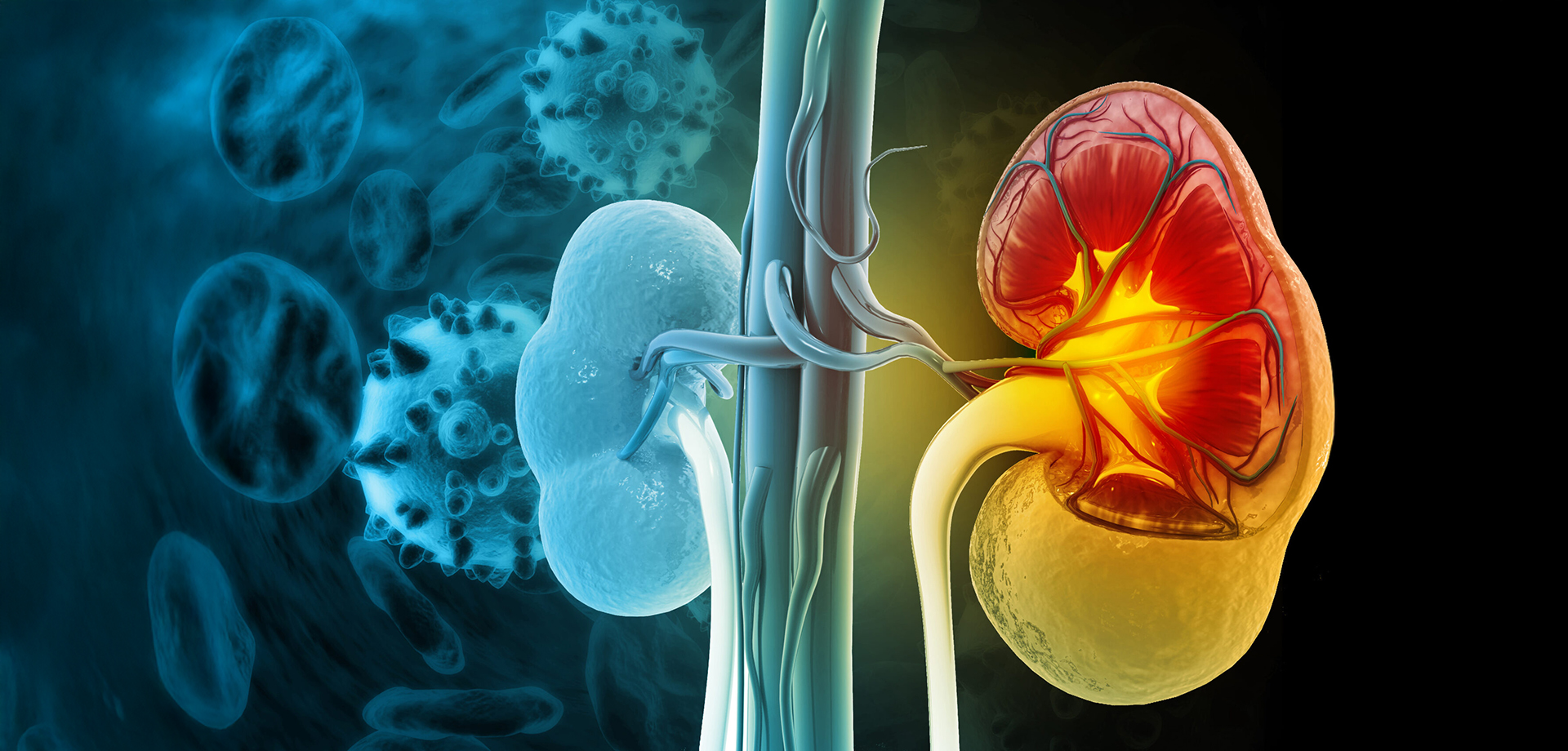
Lupus nephritis is a severe manifestation of systemic lupus erythematosus (SLE), resulting from immune-mediated inflammation of the kidneys. It affects a significant proportion of lupus patients and is a major determinant of long-term morbidity and mortality. At International Modern Hospital, lupus nephritis is managed through standardized, evidence-based treatment pathways coordinated by nephrology, with close collaboration from rheumatology, internal medicine, and Family Medicine.
Early detection and accurate classification are essential for effective treatment. Patients with lupus are routinely screened for kidney involvement through urine analysis, protein quantification, blood tests, and imaging. Kidney biopsy is performed when indicated to classify the disease and guide therapy.
IMH’s treatment pathways are aligned with international clinical guidelines and adapted to individual patient needs. Therapy is typically divided into induction and maintenance phases. Induction therapy aims to rapidly control inflammation and may include high-dose corticosteroids combined with immunosuppressive agents. Maintenance therapy focuses on sustaining remission while minimizing long-term side effects.
Patients are monitored closely for treatment response, disease flares, medication toxicity, and infection risk. Blood pressure control, proteinuria reduction, and cardiovascular risk management are integral components of care.
Through coordinated, pathway-driven care, IMH ensures lupus nephritis patients receive timely, effective treatment while preserving kidney function and improving long-term outcomes.
Early detection and accurate classification are essential for effective treatment. Patients with lupus are routinely screened for kidney involvement through urine analysis, protein quantification, blood tests, and imaging. Kidney biopsy is performed when indicated to classify the disease and guide therapy.
IMH’s treatment pathways are aligned with international clinical guidelines and adapted to individual patient needs. Therapy is typically divided into induction and maintenance phases. Induction therapy aims to rapidly control inflammation and may include high-dose corticosteroids combined with immunosuppressive agents. Maintenance therapy focuses on sustaining remission while minimizing long-term side effects.
Patients are monitored closely for treatment response, disease flares, medication toxicity, and infection risk. Blood pressure control, proteinuria reduction, and cardiovascular risk management are integral components of care.
Through coordinated, pathway-driven care, IMH ensures lupus nephritis patients receive timely, effective treatment while preserving kidney function and improving long-term outcomes.
Quick Contact
If you have any questions simply use the following contact details.

Working Hours
-
Out-patient Department
Monday to Saturday 08:00 AM - 09:00 PM
Sunday 10:00 AM - 06:00 PM
-
Emergency Department & Pharmacy
Sunday to Saturday 24x7



Book Appointments, Inquire, or Manage Your Care Easily – Get in Touch via
 04 406 3000
  04 406 3000
Quick Links
Legal
Working Hours
-
Out-patient Department
Monday to Saturday | 8 AM to 9 PM
Sunday | 10 AM to 6 PM
Emergency Department & Pharmacy | 24x7
Connect with us!




©2026 IMH. All Rights Reserved. Ministry of Health License No : TEBMJIU0-060622