

Keloid Injections / Excision Coordination
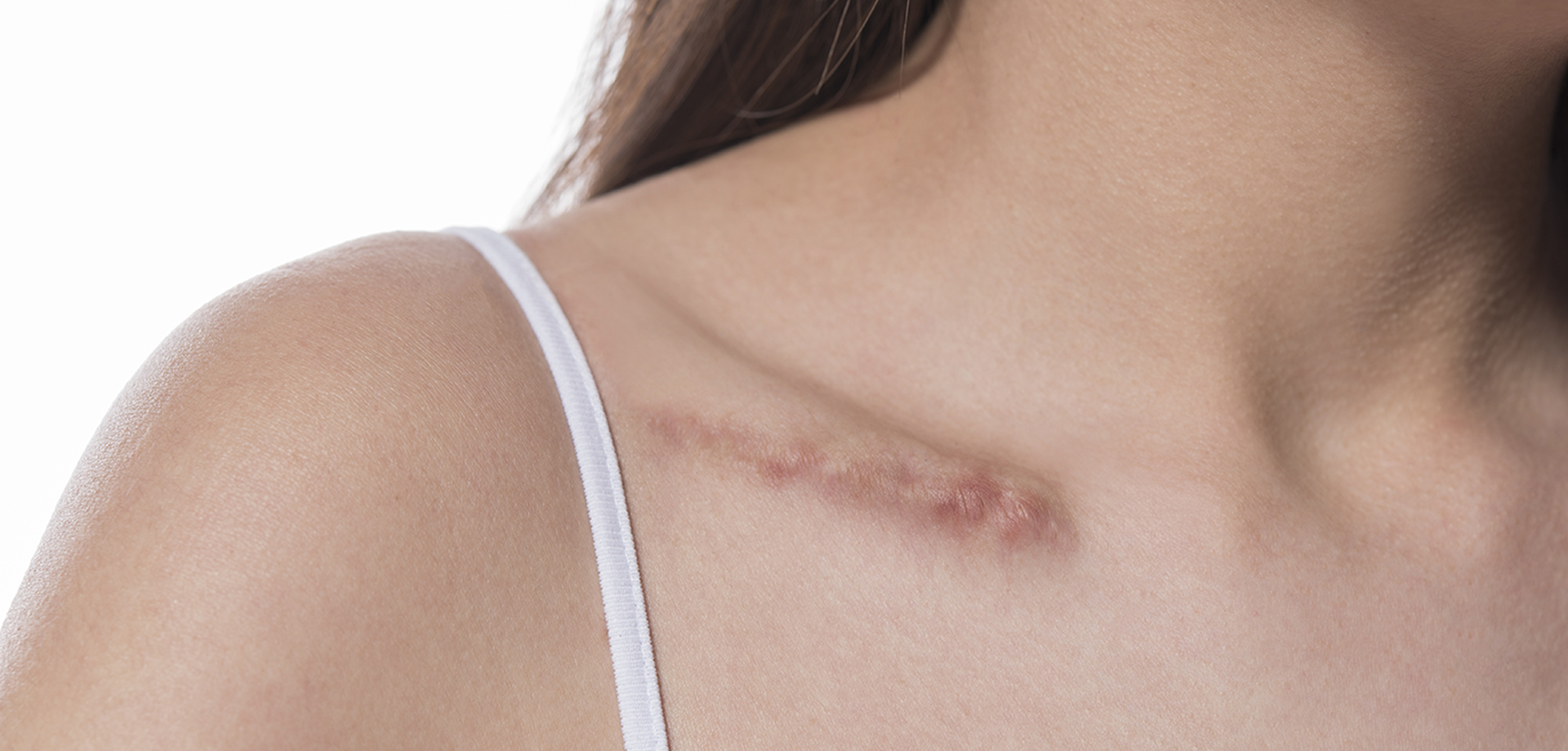
Keloid injections and excision coordination refers to a structured, multidisciplinary approach to managing keloid scars—an abnormal and aggressive form of scarring characterized by excessive collagen growth beyond the original wound boundaries. Keloids are challenging to treat due to their high recurrence rate and unpredictable behavior, making coordinated management essential for optimal outcomes.
Keloids may develop following surgery, trauma, acne, burns, piercings, or even minor skin injuries. They are more common in individuals with darker skin tones and often occur on the chest, shoulders, jawline, neck, earlobes, and upper back. Unlike hypertrophic scars, keloids do not regress over time and may continue to enlarge, causing discomfort, itching, pain, and cosmetic distress.
Patients often seek treatment due to symptoms or visible disfigurement. Keloids can significantly affect quality of life, clothing choices, and self-esteem. Because no single treatment guarantees cure, management requires careful planning and long-term follow-up.
Evaluation includes assessment of keloid size, location, duration, symptoms, prior treatments, and recurrence history. Treatment planning emphasizes risk reduction, symptom control, and realistic outcome expectations. Surgical excision alone carries a high risk of recurrence and is rarely performed without adjunctive therapy.
Coordination of keloid care ensures that treatment modalities are sequenced appropriately. Injections aim to reduce scar volume, inflammation, and symptoms, while excision is reserved for selected cases where bulk, functional impairment, or failure of conservative management necessitates removal. Post-treatment strategies are critical to minimize recurrence.
Keloid management is a long-term process rather than a one-time intervention. Effective coordination improves outcomes, reduces recurrence, and supports patients through a challenging and often frustrating condition.
Keloids may develop following surgery, trauma, acne, burns, piercings, or even minor skin injuries. They are more common in individuals with darker skin tones and often occur on the chest, shoulders, jawline, neck, earlobes, and upper back. Unlike hypertrophic scars, keloids do not regress over time and may continue to enlarge, causing discomfort, itching, pain, and cosmetic distress.
Patients often seek treatment due to symptoms or visible disfigurement. Keloids can significantly affect quality of life, clothing choices, and self-esteem. Because no single treatment guarantees cure, management requires careful planning and long-term follow-up.
Evaluation includes assessment of keloid size, location, duration, symptoms, prior treatments, and recurrence history. Treatment planning emphasizes risk reduction, symptom control, and realistic outcome expectations. Surgical excision alone carries a high risk of recurrence and is rarely performed without adjunctive therapy.
Coordination of keloid care ensures that treatment modalities are sequenced appropriately. Injections aim to reduce scar volume, inflammation, and symptoms, while excision is reserved for selected cases where bulk, functional impairment, or failure of conservative management necessitates removal. Post-treatment strategies are critical to minimize recurrence.
Keloid management is a long-term process rather than a one-time intervention. Effective coordination improves outcomes, reduces recurrence, and supports patients through a challenging and often frustrating condition.
Quick Contact
If you have any questions simply use the following contact details.

Working Hours
-
Out-patient Department
Monday to Saturday 08:00 AM - 09:00 PM
Sunday 10:00 AM - 06:00 PM
-
Emergency Department & Pharmacy
Sunday to Saturday 24x7



Book Appointments, Inquire, or Manage Your Care Easily – Get in Touch via
 04 406 3000
  04 406 3000
Quick Links
Legal
Working Hours
-
Out-patient Department
Monday to Saturday | 8 AM to 9 PM
Sunday | 10 AM to 6 PM
Emergency Department & Pharmacy | 24x7
Connect with us!




©2026 IMH. All Rights Reserved. Ministry of Health License No : TEBMJIU0-060622