

Invasive Mechanical Ventilation
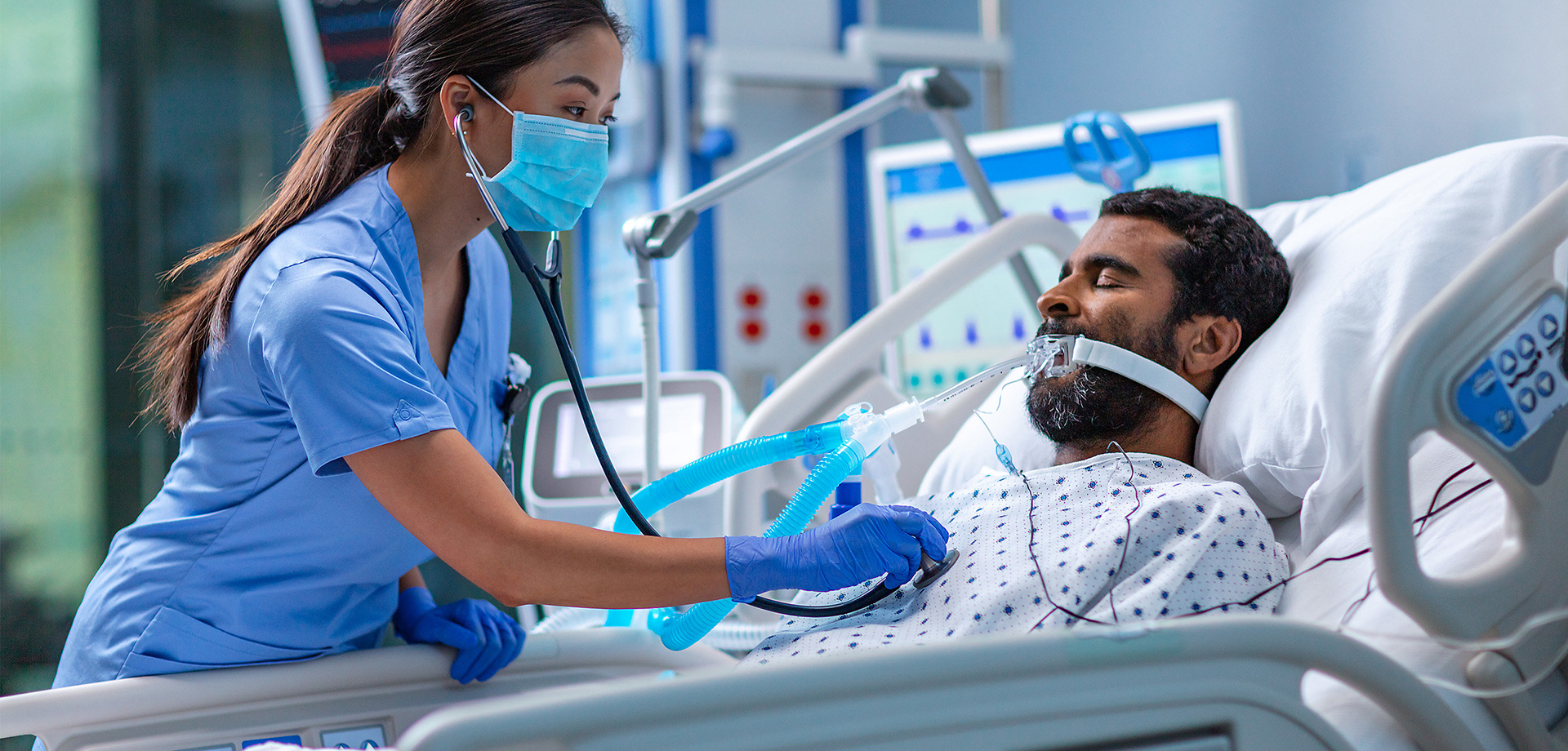
Invasive mechanical ventilation is a life-saving intervention used in critically ill patients who are unable to maintain adequate oxygenation, ventilation, or airway protection on their own. It involves placement of an endotracheal tube into the patient’s airway, connected to a mechanical ventilator that supports or completely replaces spontaneous breathing. This therapy is a cornerstone of modern intensive care medicine and is used across a wide range of medical, surgical, and neurological emergencies.
The primary indication for invasive mechanical ventilation is acute or chronic respiratory failure. This may result from severe pneumonia, acute respiratory distress syndrome (ARDS), sepsis, trauma, stroke, drug overdose, neuromuscular disorders, or postoperative complications. Mechanical ventilation is also required when patients are unconscious, have impaired airway reflexes, or are unable to protect their airway from aspiration. In some cases, it is initiated electively during major surgery or for controlled respiratory support during critical illness.
Before ventilation begins, patients undergo endotracheal intubation, a procedure performed by trained critical care physicians or anesthesiologists. The tube is inserted through the mouth or nose into the trachea, ensuring a secure airway. Once connected to the ventilator, precise settings are adjusted to control oxygen concentration, airflow, pressure, and respiratory rate based on the patient’s condition, lung mechanics, and blood gas measurements.
Ventilator management in the ICU is highly individualized. Lung-protective strategies are used to minimize ventilator-induced lung injury, particularly in conditions like ARDS. Continuous monitoring of oxygen levels, carbon dioxide clearance, lung pressures, and patient comfort is essential. Sedation and, in some cases, neuromuscular blockade may be required to optimize synchrony with the ventilator and reduce metabolic demand.
Despite its life-saving role, invasive mechanical ventilation carries risks. These include ventilator-associated pneumonia, lung injury from high pressures or volumes, airway trauma, and complications related to prolonged immobilization and sedation. For this reason, ICU teams aim to use the lowest effective ventilator settings and assess daily readiness for weaning.
Weaning from mechanical ventilation is a gradual, carefully supervised process. As the patient’s underlying condition improves, ventilator support is reduced, spontaneous breathing trials are conducted, and the endotracheal tube is removed once safe breathing is restored. Successful liberation from ventilation is a critical milestone in ICU recovery.
Invasive mechanical ventilation requires continuous expert monitoring, multidisciplinary coordination, and advanced ICU infrastructure to ensure optimal outcomes and patient safety.
The primary indication for invasive mechanical ventilation is acute or chronic respiratory failure. This may result from severe pneumonia, acute respiratory distress syndrome (ARDS), sepsis, trauma, stroke, drug overdose, neuromuscular disorders, or postoperative complications. Mechanical ventilation is also required when patients are unconscious, have impaired airway reflexes, or are unable to protect their airway from aspiration. In some cases, it is initiated electively during major surgery or for controlled respiratory support during critical illness.
Before ventilation begins, patients undergo endotracheal intubation, a procedure performed by trained critical care physicians or anesthesiologists. The tube is inserted through the mouth or nose into the trachea, ensuring a secure airway. Once connected to the ventilator, precise settings are adjusted to control oxygen concentration, airflow, pressure, and respiratory rate based on the patient’s condition, lung mechanics, and blood gas measurements.
Ventilator management in the ICU is highly individualized. Lung-protective strategies are used to minimize ventilator-induced lung injury, particularly in conditions like ARDS. Continuous monitoring of oxygen levels, carbon dioxide clearance, lung pressures, and patient comfort is essential. Sedation and, in some cases, neuromuscular blockade may be required to optimize synchrony with the ventilator and reduce metabolic demand.
Despite its life-saving role, invasive mechanical ventilation carries risks. These include ventilator-associated pneumonia, lung injury from high pressures or volumes, airway trauma, and complications related to prolonged immobilization and sedation. For this reason, ICU teams aim to use the lowest effective ventilator settings and assess daily readiness for weaning.
Weaning from mechanical ventilation is a gradual, carefully supervised process. As the patient’s underlying condition improves, ventilator support is reduced, spontaneous breathing trials are conducted, and the endotracheal tube is removed once safe breathing is restored. Successful liberation from ventilation is a critical milestone in ICU recovery.
Invasive mechanical ventilation requires continuous expert monitoring, multidisciplinary coordination, and advanced ICU infrastructure to ensure optimal outcomes and patient safety.
Quick Contact
If you have any questions simply use the following contact details.

Working Hours
-
Out-patient Department
Monday to Saturday 08:00 AM - 09:00 PM
Sunday 10:00 AM - 06:00 PM
-
Emergency Department & Pharmacy
Sunday to Saturday 24x7


Book Appointments, Inquire, or Manage Your Care Easily – Get in Touch via
 04 406 3000
  04 406 3000
Quick Links
Legal
Working Hours
-
Out-patient Department
Monday to Saturday | 8 AM to 9 PM
Sunday | 10 AM to 6 PM
Emergency Department & Pharmacy | 24x7
Connect with us!




©2026 IMH. All Rights Reserved. Ministry of Health License No : TEBMJIU0-060622