

Inotropic Support
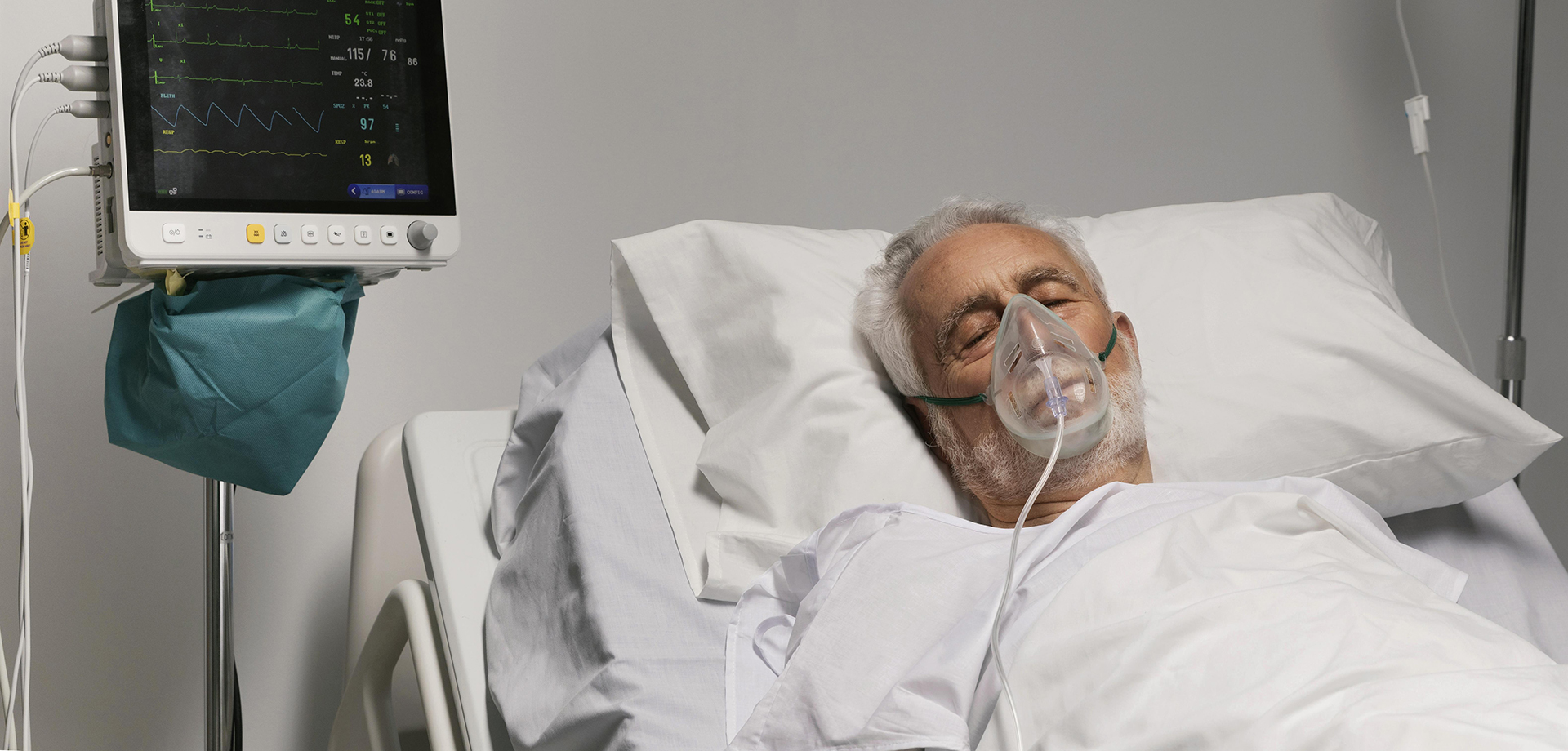
Inotropic support refers to the use of medications that enhance the strength of cardiac contraction, thereby increasing cardiac output and improving tissue perfusion. Inotropes are a vital component of ICU care for patients with compromised heart function, particularly in cardiogenic shock, acute decompensated heart failure, and selected cases of septic shock with myocardial dysfunction.
The most commonly used inotropic agents include dobutamine, milrinone, and, in some settings, low-dose epinephrine. Dobutamine is frequently the first-choice inotrope due to its beta-1 adrenergic effects, which increase myocardial contractility and stroke volume while modestly reducing systemic vascular resistance. Milrinone, a phosphodiesterase inhibitor, improves contractility and promotes vasodilation, making it useful in patients with pulmonary hypertension or right ventricular dysfunction.
Indications for inotropic support include low cardiac output states with evidence of poor organ perfusion despite adequate preload and blood pressure. Clinical signs may include hypotension, cool extremities, reduced urine output, elevated lactate levels, and echocardiographic evidence of impaired ventricular function. Inotropes are often used alongside vasopressors when both contractility and vascular tone are compromised.
Inotropic agents are administered as continuous intravenous infusions under strict ICU monitoring. Dosing is carefully titrated based on hemodynamic response, cardiac output measurements, echocardiographic findings, and end-organ perfusion markers. Advanced monitoring techniques such as echocardiography, central venous oxygen saturation, or cardiac output monitoring devices may be used to guide therapy.
While inotropes can be life-saving, they carry significant risks. Increased myocardial oxygen consumption can exacerbate ischemia, and arrhythmias are a known complication, particularly at higher doses. Long-term or excessive inotropic support is associated with increased mortality in some patient populations, emphasizing the importance of using these agents judiciously and for the shortest duration necessary.
The goal of inotropic therapy is to stabilize the patient while definitive treatment is implemented, such as revascularization, valve intervention, optimization of heart failure therapy, or resolution of sepsis. Regular reassessment is essential, and inotropes are weaned as cardiac function improves. Expert ICU oversight ensures that inotropic support is used safely, effectively, and in alignment with the patient’s overall treatment goals.
The most commonly used inotropic agents include dobutamine, milrinone, and, in some settings, low-dose epinephrine. Dobutamine is frequently the first-choice inotrope due to its beta-1 adrenergic effects, which increase myocardial contractility and stroke volume while modestly reducing systemic vascular resistance. Milrinone, a phosphodiesterase inhibitor, improves contractility and promotes vasodilation, making it useful in patients with pulmonary hypertension or right ventricular dysfunction.
Indications for inotropic support include low cardiac output states with evidence of poor organ perfusion despite adequate preload and blood pressure. Clinical signs may include hypotension, cool extremities, reduced urine output, elevated lactate levels, and echocardiographic evidence of impaired ventricular function. Inotropes are often used alongside vasopressors when both contractility and vascular tone are compromised.
Inotropic agents are administered as continuous intravenous infusions under strict ICU monitoring. Dosing is carefully titrated based on hemodynamic response, cardiac output measurements, echocardiographic findings, and end-organ perfusion markers. Advanced monitoring techniques such as echocardiography, central venous oxygen saturation, or cardiac output monitoring devices may be used to guide therapy.
While inotropes can be life-saving, they carry significant risks. Increased myocardial oxygen consumption can exacerbate ischemia, and arrhythmias are a known complication, particularly at higher doses. Long-term or excessive inotropic support is associated with increased mortality in some patient populations, emphasizing the importance of using these agents judiciously and for the shortest duration necessary.
The goal of inotropic therapy is to stabilize the patient while definitive treatment is implemented, such as revascularization, valve intervention, optimization of heart failure therapy, or resolution of sepsis. Regular reassessment is essential, and inotropes are weaned as cardiac function improves. Expert ICU oversight ensures that inotropic support is used safely, effectively, and in alignment with the patient’s overall treatment goals.
Quick Contact
If you have any questions simply use the following contact details.

Working Hours
-
Out-patient Department
Monday to Saturday 08:00 AM - 09:00 PM
Sunday 10:00 AM - 06:00 PM
-
Emergency Department & Pharmacy
Sunday to Saturday 24x7



Book Appointments, Inquire, or Manage Your Care Easily – Get in Touch via
 04 406 3000
  04 406 3000
Quick Links
Legal
Working Hours
-
Out-patient Department
Monday to Saturday | 8 AM to 9 PM
Sunday | 10 AM to 6 PM
Emergency Department & Pharmacy | 24x7
Connect with us!




©2026 IMH. All Rights Reserved. Ministry of Health License No : TEBMJIU0-060622