

Hysterectomy
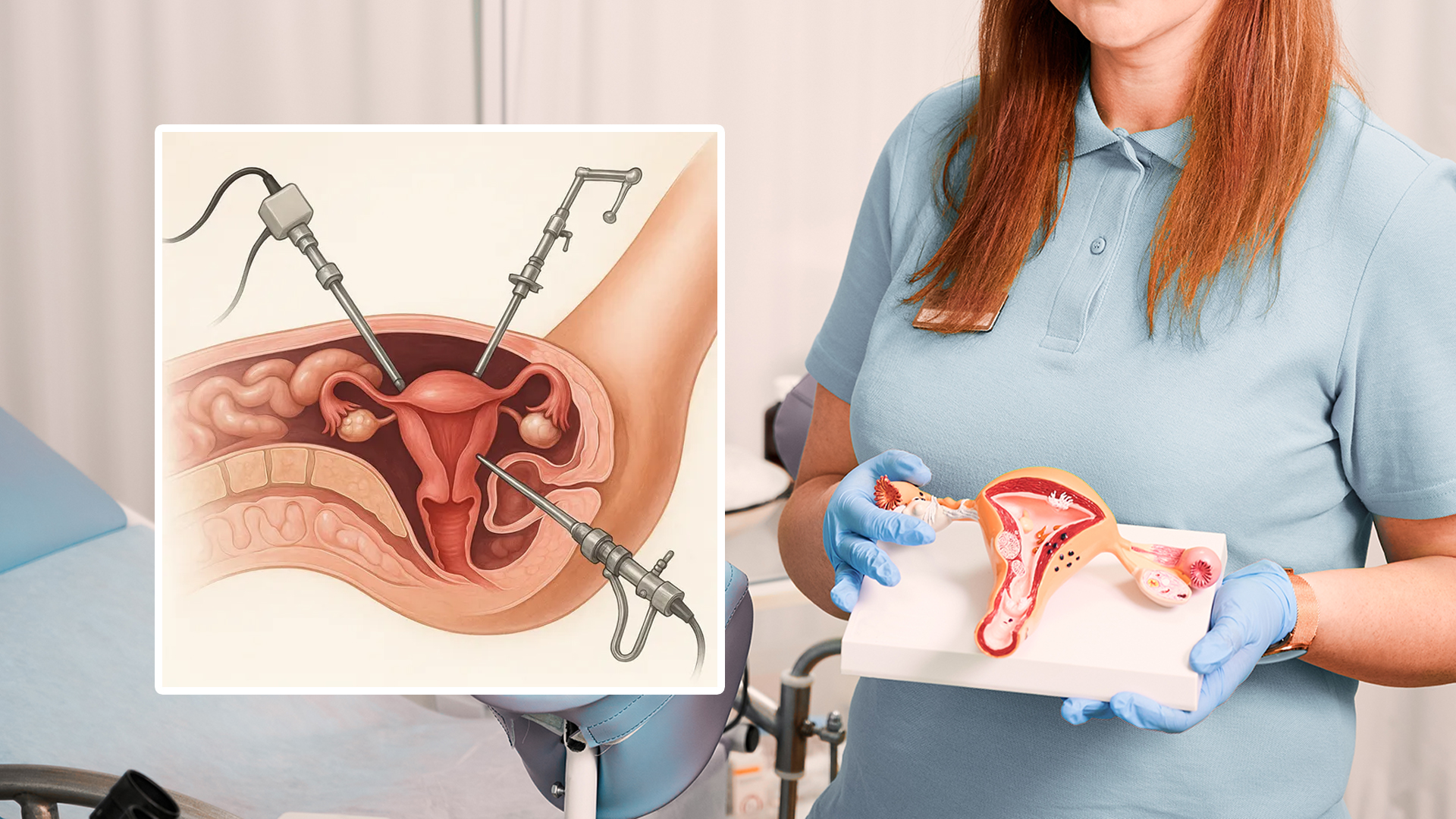
Hysterectomy is a surgical procedure involving the removal of the uterus and is one of the most commonly performed gynecologic surgeries worldwide. It may be recommended for a variety of benign and malignant conditions when conservative treatments are ineffective or inappropriate. Depending on the underlying indication and extent of disease, hysterectomy may involve removal of the uterus alone or in combination with the cervix, ovaries, and fallopian tubes.
Common indications for hysterectomy include uterine fibroids, adenomyosis, endometriosis, chronic pelvic pain, abnormal uterine bleeding unresponsive to treatment, uterine prolapse, and gynecologic cancers. The decision to proceed with hysterectomy is made after careful evaluation of symptoms, disease severity, reproductive considerations, and overall health.
Hysterectomy can be performed using different surgical approaches, including abdominal, vaginal, laparoscopic, or robotic-assisted techniques. Minimally invasive approaches are increasingly preferred due to reduced postoperative pain, shorter hospital stay, lower infection risk, and faster recovery. The choice of surgical method depends on uterine size, underlying pathology, previous surgeries, and surgeon expertise.
Preoperative preparation focuses on optimizing medical conditions, assessing surgical risk, and counseling regarding the implications of surgery. For women of reproductive age, hysterectomy results in permanent loss of fertility, making informed consent and counseling essential. Removal of the ovaries may induce surgical menopause, with associated hormonal changes that require careful consideration.
Postoperative care includes pain management, early mobilization, wound care, and monitoring for complications such as bleeding, infection, or injury to surrounding organs. Most patients experience gradual recovery over several weeks, with return to normal activities based on surgical approach and individual healing.
Hysterectomy often provides definitive relief from debilitating symptoms and significantly improves quality of life when appropriately indicated. Advances in surgical techniques and perioperative care have enhanced safety and outcomes, making hysterectomy an effective treatment option for a range of gynecologic conditions.
Common indications for hysterectomy include uterine fibroids, adenomyosis, endometriosis, chronic pelvic pain, abnormal uterine bleeding unresponsive to treatment, uterine prolapse, and gynecologic cancers. The decision to proceed with hysterectomy is made after careful evaluation of symptoms, disease severity, reproductive considerations, and overall health.
Hysterectomy can be performed using different surgical approaches, including abdominal, vaginal, laparoscopic, or robotic-assisted techniques. Minimally invasive approaches are increasingly preferred due to reduced postoperative pain, shorter hospital stay, lower infection risk, and faster recovery. The choice of surgical method depends on uterine size, underlying pathology, previous surgeries, and surgeon expertise.
Preoperative preparation focuses on optimizing medical conditions, assessing surgical risk, and counseling regarding the implications of surgery. For women of reproductive age, hysterectomy results in permanent loss of fertility, making informed consent and counseling essential. Removal of the ovaries may induce surgical menopause, with associated hormonal changes that require careful consideration.
Postoperative care includes pain management, early mobilization, wound care, and monitoring for complications such as bleeding, infection, or injury to surrounding organs. Most patients experience gradual recovery over several weeks, with return to normal activities based on surgical approach and individual healing.
Hysterectomy often provides definitive relief from debilitating symptoms and significantly improves quality of life when appropriately indicated. Advances in surgical techniques and perioperative care have enhanced safety and outcomes, making hysterectomy an effective treatment option for a range of gynecologic conditions.
Quick Contact
If you have any questions simply use the following contact details.

Working Hours
-
Out-patient Department
Monday to Saturday 08:00 AM - 09:00 PM
Sunday 10:00 AM - 06:00 PM
-
Emergency Department & Pharmacy
Sunday to Saturday 24x7



Book Appointments, Inquire, or Manage Your Care Easily – Get in Touch via
 04 406 3000
  04 406 3000
Quick Links
Legal
Working Hours
-
Out-patient Department
Monday to Saturday | 8 AM to 9 PM
Sunday | 10 AM to 6 PM
Emergency Department & Pharmacy | 24x7
Connect with us!




©2026 IMH. All Rights Reserved. Ministry of Health License No : TEBMJIU0-060622