

High-Risk Pregnancy Management
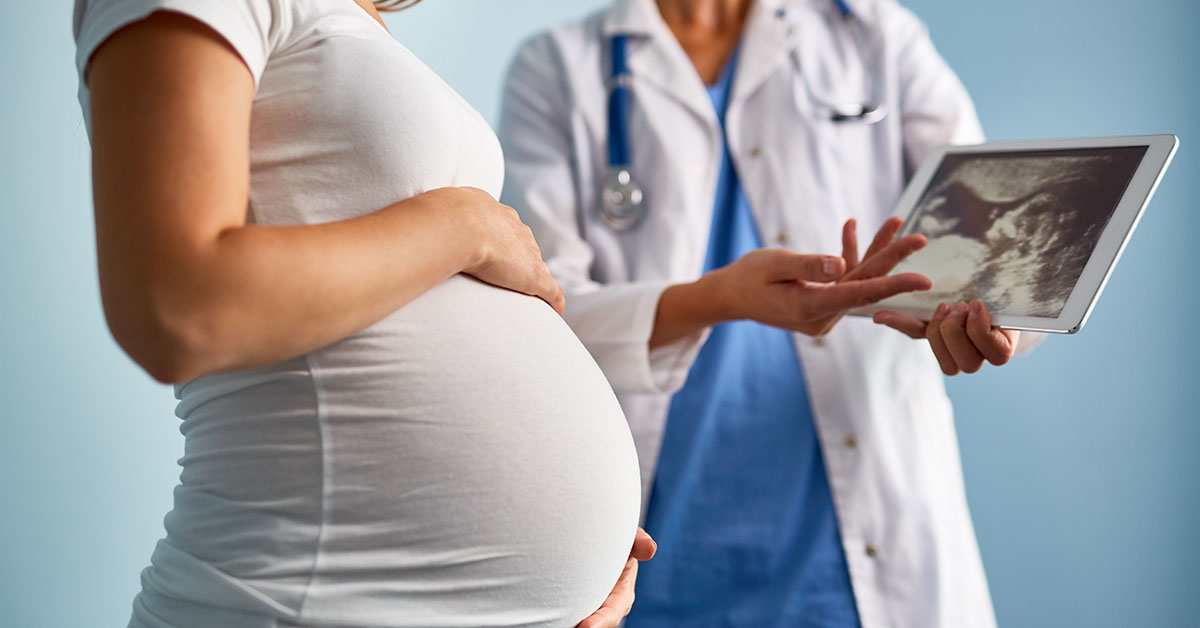
High-risk pregnancy management refers to specialized obstetric care provided to pregnancies complicated by maternal, fetal, or placental conditions that increase the risk of adverse outcomes. These pregnancies require closer surveillance, advanced diagnostics, and timely intervention to ensure maternal safety and optimal fetal development. High-risk pregnancies may arise due to pre-existing medical conditions, pregnancy-induced disorders, obstetric history, or complications identified during the current pregnancy.
Common conditions requiring high-risk pregnancy management include gestational diabetes mellitus, hypertensive disorders of pregnancy, preeclampsia, multiple pregnancies, placental abnormalities, fetal growth restriction, preterm labor, and pregnancies in women with chronic medical illnesses such as cardiac disease, renal disease, autoimmune disorders, or endocrine conditions. Advanced maternal age, previous pregnancy complications, and assisted reproductive pregnancies also contribute to increased risk.
Management begins with early identification through comprehensive antenatal assessment and targeted screening. Once a pregnancy is classified as high-risk, care is individualized based on the specific condition and its severity. Monitoring is intensified through more frequent antenatal visits, serial ultrasound examinations, and laboratory testing to assess both maternal health and fetal well-being. Blood pressure monitoring, glucose surveillance, and assessment of organ function are central components of care in many high-risk scenarios.
Fetal surveillance plays a critical role and may include growth scans, Doppler studies to assess placental blood flow, non-stress tests, and biophysical profiles. These assessments help identify early signs of fetal compromise and guide decisions regarding timing and mode of delivery. The goal is to prolong pregnancy safely while avoiding preventable complications.
Medical management is tailored to the underlying condition. In gestational diabetes, glycemic control is achieved through structured dietary planning, monitoring, and pharmacologic therapy when required. Hypertensive disorders necessitate careful blood pressure control, monitoring for progression to preeclampsia, and timely delivery when maternal or fetal risk increases. Other conditions may require medication adjustments, hospitalization, or coordinated care with subspecialists.
Delivery planning is a crucial component of high-risk pregnancy management. Decisions regarding timing and mode of delivery balance fetal maturity with maternal safety. In some cases, early delivery is necessary to prevent life-threatening complications. Postpartum care is equally important, as many high-risk conditions can persist or worsen after delivery.
High-risk pregnancy management significantly improves outcomes when delivered through structured protocols, vigilant monitoring, and timely intervention. With appropriate care, many women with high-risk pregnancies achieve successful outcomes for both mother and baby.
Common conditions requiring high-risk pregnancy management include gestational diabetes mellitus, hypertensive disorders of pregnancy, preeclampsia, multiple pregnancies, placental abnormalities, fetal growth restriction, preterm labor, and pregnancies in women with chronic medical illnesses such as cardiac disease, renal disease, autoimmune disorders, or endocrine conditions. Advanced maternal age, previous pregnancy complications, and assisted reproductive pregnancies also contribute to increased risk.
Management begins with early identification through comprehensive antenatal assessment and targeted screening. Once a pregnancy is classified as high-risk, care is individualized based on the specific condition and its severity. Monitoring is intensified through more frequent antenatal visits, serial ultrasound examinations, and laboratory testing to assess both maternal health and fetal well-being. Blood pressure monitoring, glucose surveillance, and assessment of organ function are central components of care in many high-risk scenarios.
Fetal surveillance plays a critical role and may include growth scans, Doppler studies to assess placental blood flow, non-stress tests, and biophysical profiles. These assessments help identify early signs of fetal compromise and guide decisions regarding timing and mode of delivery. The goal is to prolong pregnancy safely while avoiding preventable complications.
Medical management is tailored to the underlying condition. In gestational diabetes, glycemic control is achieved through structured dietary planning, monitoring, and pharmacologic therapy when required. Hypertensive disorders necessitate careful blood pressure control, monitoring for progression to preeclampsia, and timely delivery when maternal or fetal risk increases. Other conditions may require medication adjustments, hospitalization, or coordinated care with subspecialists.
Delivery planning is a crucial component of high-risk pregnancy management. Decisions regarding timing and mode of delivery balance fetal maturity with maternal safety. In some cases, early delivery is necessary to prevent life-threatening complications. Postpartum care is equally important, as many high-risk conditions can persist or worsen after delivery.
High-risk pregnancy management significantly improves outcomes when delivered through structured protocols, vigilant monitoring, and timely intervention. With appropriate care, many women with high-risk pregnancies achieve successful outcomes for both mother and baby.
Quick Contact
If you have any questions simply use the following contact details.

Working Hours
-
Out-patient Department
Monday to Saturday 08:00 AM - 09:00 PM
Sunday 10:00 AM - 06:00 PM
-
Emergency Department & Pharmacy
Sunday to Saturday 24x7



Book Appointments, Inquire, or Manage Your Care Easily – Get in Touch via
 04 406 3000
  04 406 3000
Quick Links
Legal
Working Hours
-
Out-patient Department
Monday to Saturday | 8 AM to 9 PM
Sunday | 10 AM to 6 PM
Emergency Department & Pharmacy | 24x7
Connect with us!




©2026 IMH. All Rights Reserved. Ministry of Health License No : TEBMJIU0-060622