

Gum Surgery (Periodontal Surgery)
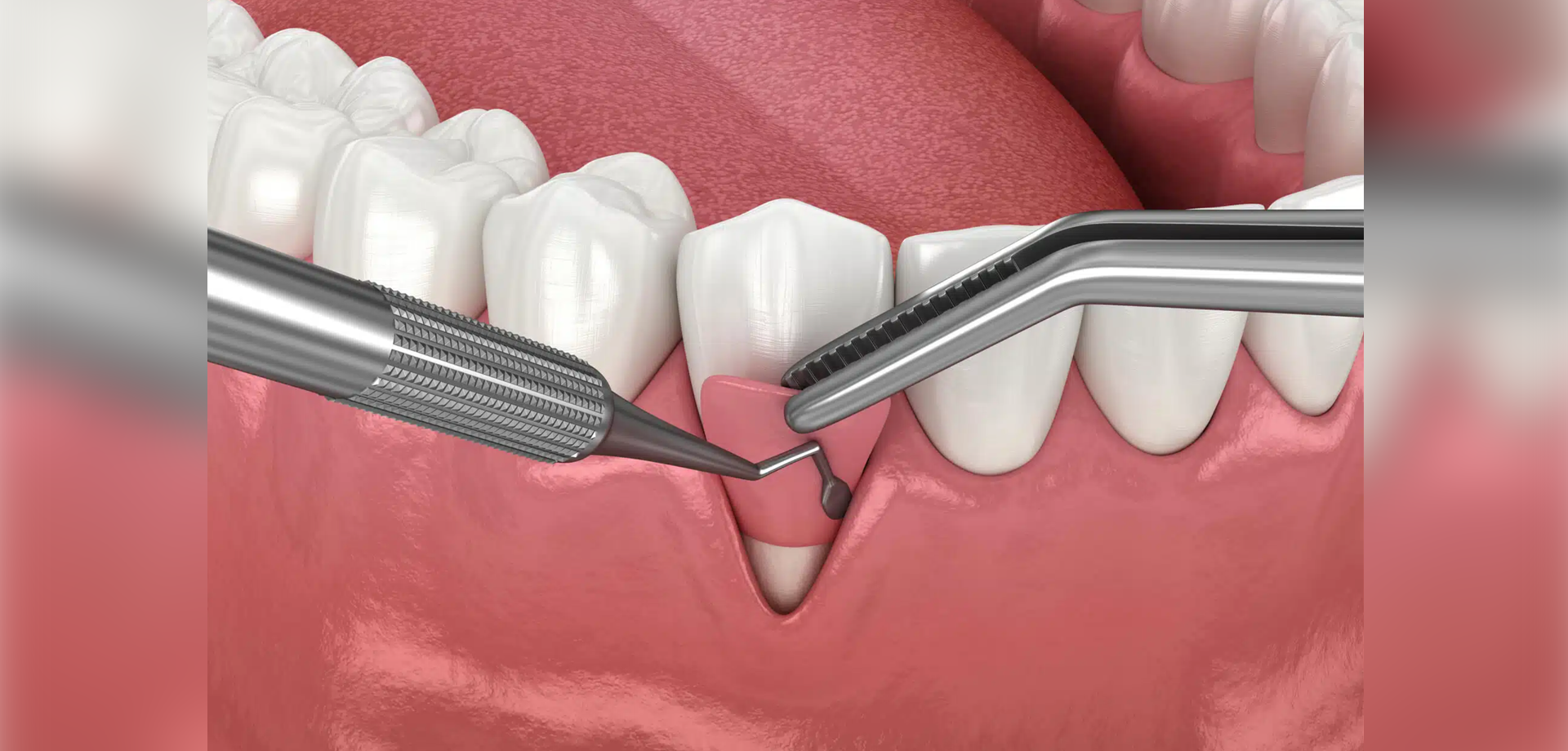
Gum surgery, also known as periodontal surgery, is performed to treat advanced stages of gum disease when non-surgical treatments are no longer sufficient. Periodontal disease develops when plaque and bacteria accumulate beneath the gum line, leading to chronic inflammation, gum recession, bone loss, and eventual tooth mobility. If left untreated, advanced gum disease can result in tooth loss and systemic health complications.
Periodontal surgery aims to remove deep-seated infection, reduce periodontal pockets, and restore the health of supporting tissues. The procedure is recommended when deep pockets persist after scaling and root planing or when structural damage has occurred. Treatment planning involves detailed assessment using clinical measurements and imaging to determine the extent of tissue and bone involvement.
The procedure is performed under local anesthesia to ensure comfort. The gums are gently lifted to access infected areas, allowing thorough removal of plaque, tartar, and diseased tissue. Root surfaces may be smoothed, and in some cases, regenerative techniques are used to encourage bone and tissue healing. The gums are then repositioned and secured to promote proper healing and reduce pocket depth.
Gum surgery helps stabilize teeth, reduce inflammation, and improve oral hygiene access. Patients often experience reduced bleeding, improved gum firmness, and better long-term tooth retention. Post-surgical care includes maintaining excellent oral hygiene, attending follow-up visits, and adhering to maintenance therapy to prevent recurrence.
Periodontal surgery plays a vital role in preserving natural teeth and restoring oral health in patients with advanced gum disease. When combined with ongoing periodontal care, it significantly improves prognosis and quality of life.
Periodontal surgery aims to remove deep-seated infection, reduce periodontal pockets, and restore the health of supporting tissues. The procedure is recommended when deep pockets persist after scaling and root planing or when structural damage has occurred. Treatment planning involves detailed assessment using clinical measurements and imaging to determine the extent of tissue and bone involvement.
The procedure is performed under local anesthesia to ensure comfort. The gums are gently lifted to access infected areas, allowing thorough removal of plaque, tartar, and diseased tissue. Root surfaces may be smoothed, and in some cases, regenerative techniques are used to encourage bone and tissue healing. The gums are then repositioned and secured to promote proper healing and reduce pocket depth.
Gum surgery helps stabilize teeth, reduce inflammation, and improve oral hygiene access. Patients often experience reduced bleeding, improved gum firmness, and better long-term tooth retention. Post-surgical care includes maintaining excellent oral hygiene, attending follow-up visits, and adhering to maintenance therapy to prevent recurrence.
Periodontal surgery plays a vital role in preserving natural teeth and restoring oral health in patients with advanced gum disease. When combined with ongoing periodontal care, it significantly improves prognosis and quality of life.
Quick Contact
If you have any questions simply use the following contact details.

Working Hours
-
Out-patient Department
Monday to Saturday 08:00 AM - 09:00 PM
Sunday 10:00 AM - 06:00 PM
-
Emergency Department & Pharmacy
Sunday to Saturday 24x7



Book Appointments, Inquire, or Manage Your Care Easily – Get in Touch via
 04 406 3000
  04 406 3000
Quick Links
Legal
Working Hours
-
Out-patient Department
Monday to Saturday | 8 AM to 9 PM
Sunday | 10 AM to 6 PM
Emergency Department & Pharmacy | 24x7
Connect with us!




©2026 IMH. All Rights Reserved. Ministry of Health License No : TEBMJIU0-060622