

Small Bowel Resection
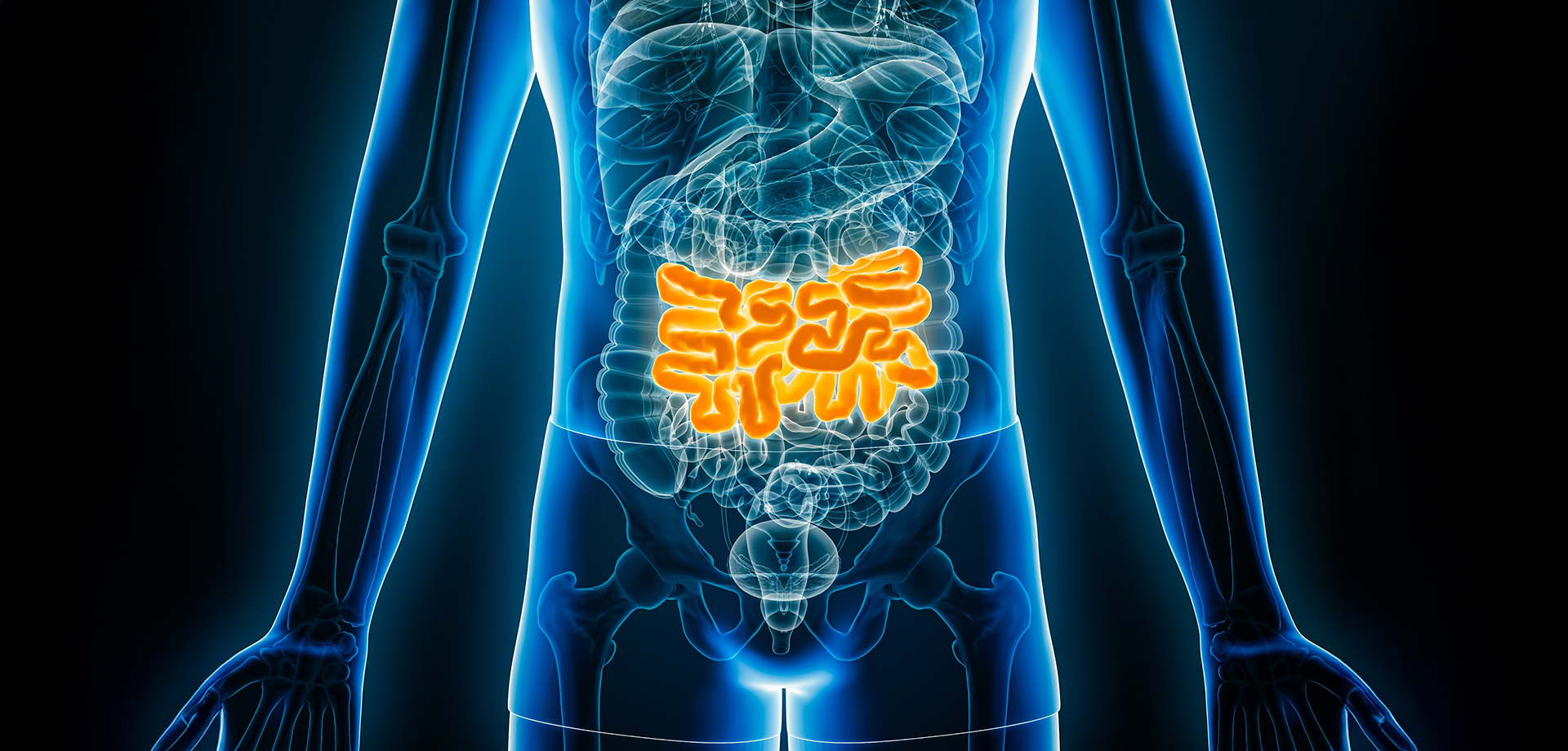
Small bowel resection is a gastrointestinal surgical procedure performed to remove a diseased or damaged segment of the small intestine. The small intestine is responsible for nutrient absorption and digestion, making preservation of healthy bowel length a critical goal during surgery. Small bowel resection is performed for both emergency and elective indications and plays a vital role in treating life-threatening and chronic gastrointestinal conditions.
Conditions requiring small bowel resection include bowel obstruction, ischemia (loss of blood supply), Crohn’s disease, small bowel tumors, traumatic injury, perforation, radiation damage, and congenital abnormalities. Patients may present with abdominal pain, vomiting, bloating, inability to pass stool or gas, gastrointestinal bleeding, or signs of infection. Prompt diagnosis and timely surgical intervention are often essential to prevent serious complications.
The extent of resection depends on the underlying condition and the length of bowel involved. Surgeons aim to remove only the diseased segment while preserving as much healthy intestine as possible to prevent malabsorption or short bowel syndrome. In many cases, the remaining bowel ends are reconnected (anastomosis) to restore continuity. In selected situations, a temporary stoma may be required to allow healing.
Small bowel resection can be performed using open or minimally invasive laparoscopic techniques. Laparoscopic surgery is preferred when feasible, offering reduced postoperative pain, faster recovery, and lower risk of wound complications. Emergency cases or extensive disease may require open surgery to ensure patient safety.
The procedure is performed under general anesthesia following thorough preoperative assessment, including imaging studies such as CT scans and blood tests. In chronic conditions like Crohn’s disease, surgery is often planned in coordination with gastroenterologists to optimize timing and outcomes.
Postoperative care focuses on pain control, gradual return of bowel function, nutritional support, and prevention of complications such as infection or leakage at the anastomosis site. Dietary progression is carefully managed, and long-term follow-up ensures adequate nutrition and bowel function.
Small bowel resection is a life-saving and function-preserving procedure when performed appropriately. With modern surgical techniques and multidisciplinary care, patients achieve good outcomes, symptom relief, and restoration of digestive function.
Conditions requiring small bowel resection include bowel obstruction, ischemia (loss of blood supply), Crohn’s disease, small bowel tumors, traumatic injury, perforation, radiation damage, and congenital abnormalities. Patients may present with abdominal pain, vomiting, bloating, inability to pass stool or gas, gastrointestinal bleeding, or signs of infection. Prompt diagnosis and timely surgical intervention are often essential to prevent serious complications.
The extent of resection depends on the underlying condition and the length of bowel involved. Surgeons aim to remove only the diseased segment while preserving as much healthy intestine as possible to prevent malabsorption or short bowel syndrome. In many cases, the remaining bowel ends are reconnected (anastomosis) to restore continuity. In selected situations, a temporary stoma may be required to allow healing.
Small bowel resection can be performed using open or minimally invasive laparoscopic techniques. Laparoscopic surgery is preferred when feasible, offering reduced postoperative pain, faster recovery, and lower risk of wound complications. Emergency cases or extensive disease may require open surgery to ensure patient safety.
The procedure is performed under general anesthesia following thorough preoperative assessment, including imaging studies such as CT scans and blood tests. In chronic conditions like Crohn’s disease, surgery is often planned in coordination with gastroenterologists to optimize timing and outcomes.
Postoperative care focuses on pain control, gradual return of bowel function, nutritional support, and prevention of complications such as infection or leakage at the anastomosis site. Dietary progression is carefully managed, and long-term follow-up ensures adequate nutrition and bowel function.
Small bowel resection is a life-saving and function-preserving procedure when performed appropriately. With modern surgical techniques and multidisciplinary care, patients achieve good outcomes, symptom relief, and restoration of digestive function.
Quick Contact
If you have any questions simply use the following contact details.

Working Hours
-
Out-patient Department
Monday to Saturday 08:00 AM - 09:00 PM
Sunday 10:00 AM - 06:00 PM
-
Emergency Department & Pharmacy
Sunday to Saturday 24x7



Book Appointments, Inquire, or Manage Your Care Easily – Get in Touch via
 04 406 3000
  04 406 3000
Quick Links
Legal
Working Hours
-
Out-patient Department
Monday to Saturday | 8 AM to 9 PM
Sunday | 10 AM to 6 PM
Emergency Department & Pharmacy | 24x7
Connect with us!




©2026 IMH. All Rights Reserved. Ministry of Health License No : TEBMJIU0-060622