

Oncological Resections
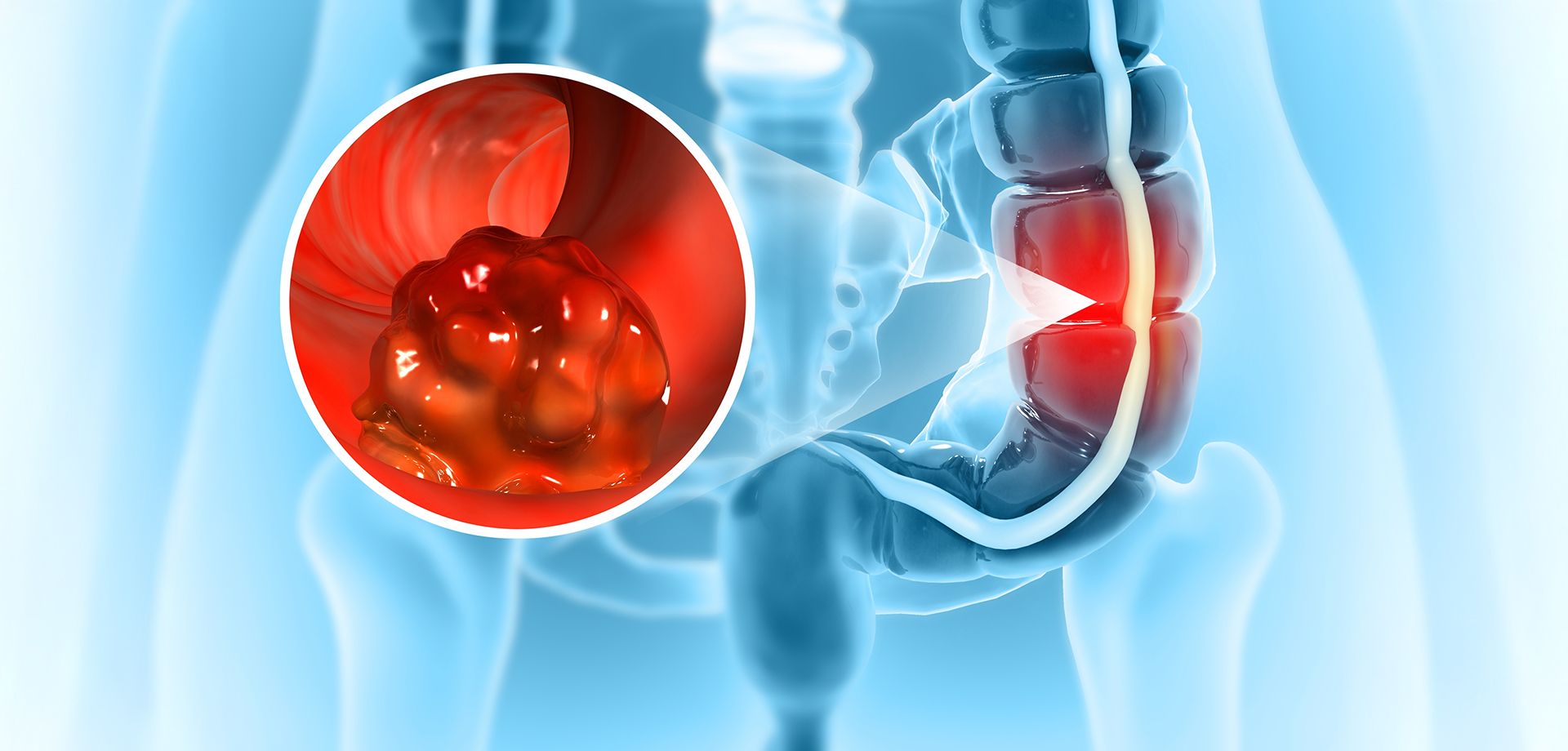
Oncological resections are surgical procedures performed to remove cancerous tumors from the gastrointestinal tract and associated organs with the goal of curing disease, controlling tumor spread, or alleviating symptoms. Surgery remains a cornerstone of gastrointestinal cancer management and is often the most effective treatment when tumors are detected at a resectable stage. Oncological resections require meticulous planning, precise surgical technique, and integration with other cancer therapies.
Gastrointestinal oncological resections are performed for cancers of the stomach, small intestine, colon, rectum, liver, pancreas, bile ducts, and other abdominal organs. The primary objective is complete removal of the tumor with clear margins, along with appropriate removal of nearby lymph nodes to ensure accurate staging and reduce recurrence risk. Preservation of organ function and quality of life is an important consideration whenever feasible.
Oncological resections are indicated in patients with localized or regionally advanced GI cancers that can be safely removed. Surgery may be performed as a standalone curative treatment or as part of a multimodal approach that includes chemotherapy and radiation therapy. In selected cases, surgery may also be performed for symptom relief, such as relieving obstruction, bleeding, or pain, even when cure is not possible.
Preoperative evaluation is comprehensive and includes endoscopy, biopsy, advanced imaging such as CT, MRI, or PET scans, and laboratory testing. Multidisciplinary tumor board discussions guide treatment strategy and determine optimal sequencing of surgery and systemic therapy. Nutritional and functional assessments are also critical to prepare patients for major surgery.
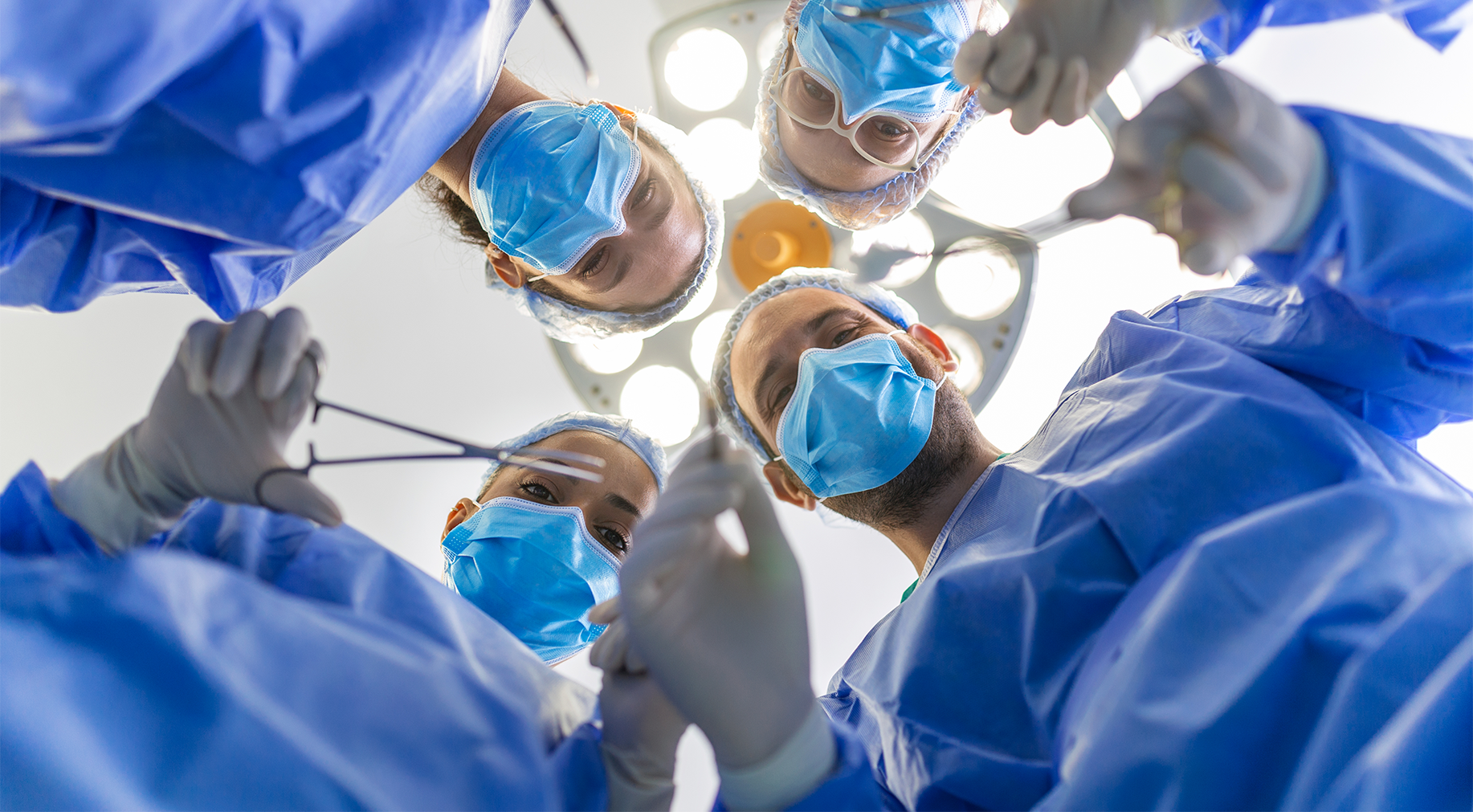
Oncological resections are performed under general anesthesia in specialized surgical units equipped for complex cancer surgery. Advances in minimally invasive and robotic-assisted techniques have expanded the role of laparoscopic surgery in GI oncology, offering reduced blood loss, faster recovery, and comparable oncological outcomes in selected patients. Open surgery remains necessary for advanced or extensive tumors.
Postoperative care focuses on pain control, infection prevention, nutritional support, and early mobilization. Pathological analysis of resected tissue determines cancer stage and guides further treatment. Long-term surveillance is essential to detect recurrence and manage survivorship issues.
Oncological resections play a vital role in improving survival and quality of life for patients with gastrointestinal cancers. When performed by experienced GI oncologic surgeons within a multidisciplinary cancer program, these procedures offer the best chance for cure, disease control, and meaningful long-term outcomes.
Gastrointestinal oncological resections are performed for cancers of the stomach, small intestine, colon, rectum, liver, pancreas, bile ducts, and other abdominal organs. The primary objective is complete removal of the tumor with clear margins, along with appropriate removal of nearby lymph nodes to ensure accurate staging and reduce recurrence risk. Preservation of organ function and quality of life is an important consideration whenever feasible.
Oncological resections are indicated in patients with localized or regionally advanced GI cancers that can be safely removed. Surgery may be performed as a standalone curative treatment or as part of a multimodal approach that includes chemotherapy and radiation therapy. In selected cases, surgery may also be performed for symptom relief, such as relieving obstruction, bleeding, or pain, even when cure is not possible.
Preoperative evaluation is comprehensive and includes endoscopy, biopsy, advanced imaging such as CT, MRI, or PET scans, and laboratory testing. Multidisciplinary tumor board discussions guide treatment strategy and determine optimal sequencing of surgery and systemic therapy. Nutritional and functional assessments are also critical to prepare patients for major surgery.
Oncological resections are performed under general anesthesia in specialized surgical units equipped for complex cancer surgery. Advances in minimally invasive and robotic-assisted techniques have expanded the role of laparoscopic surgery in GI oncology, offering reduced blood loss, faster recovery, and comparable oncological outcomes in selected patients. Open surgery remains necessary for advanced or extensive tumors.
Postoperative care focuses on pain control, infection prevention, nutritional support, and early mobilization. Pathological analysis of resected tissue determines cancer stage and guides further treatment. Long-term surveillance is essential to detect recurrence and manage survivorship issues.
Oncological resections play a vital role in improving survival and quality of life for patients with gastrointestinal cancers. When performed by experienced GI oncologic surgeons within a multidisciplinary cancer program, these procedures offer the best chance for cure, disease control, and meaningful long-term outcomes.
Quick Contact
If you have any questions simply use the following contact details.

Working Hours
-
Out-patient Department
Monday to Saturday 08:00 AM - 09:00 PM
Sunday 10:00 AM - 06:00 PM
-
Emergency Department & Pharmacy
Sunday to Saturday 24x7


Book Appointments, Inquire, or Manage Your Care Easily – Get in Touch via
 04 406 3000
  04 406 3000
Quick Links
Legal
Working Hours
-
Out-patient Department
Monday to Saturday | 8 AM to 9 PM
Sunday | 10 AM to 6 PM
Emergency Department & Pharmacy | 24x7
Connect with us!




©2026 IMH. All Rights Reserved. Ministry of Health License No : TEBMJIU0-060622