

Fundoplication (Nissen or Toupet)
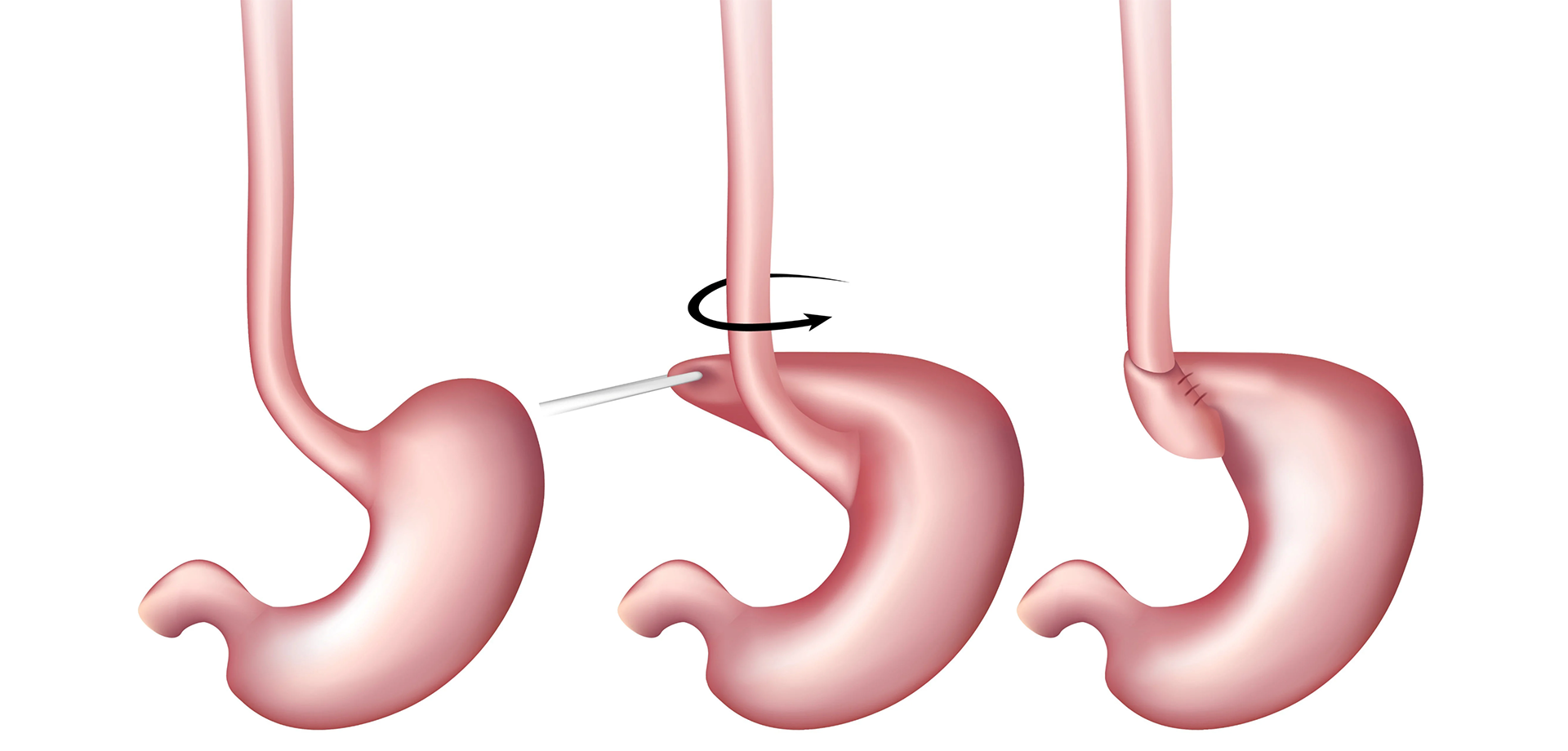
Fundoplication is a specialized gastrointestinal surgical procedure performed to treat gastroesophageal reflux disease (GERD) and related complications when symptoms persist despite optimal medical therapy. GERD occurs when stomach acid repeatedly flows back into the esophagus due to dysfunction of the lower esophageal sphincter, leading to chronic inflammation, pain, and potential long-term damage. Fundoplication addresses the mechanical cause of reflux and provides durable symptom control in appropriately selected patients.
There are two commonly performed types of fundoplication. Nissen fundoplication involves a complete 360-degree wrap of the upper part of the stomach around the lower esophagus, creating a strong reflux barrier. Toupet fundoplication is a partial (270-degree) wrap, typically used in patients with esophageal motility disorders where a full wrap may increase the risk of swallowing difficulty. The choice between Nissen and Toupet fundoplication is individualized based on esophageal function tests, symptom profile, and surgeon assessment.
Fundoplication is indicated in patients with severe or chronic GERD who do not respond adequately to medications, those with reflux-related complications such as esophagitis or strictures, patients with large hiatal hernias, or individuals who wish to avoid long-term dependence on acid-suppressing drugs. Preoperative evaluation is essential and includes upper endoscopy, esophageal pH monitoring, manometry, and imaging to confirm diagnosis and ensure suitability for surgery.
The procedure is most commonly performed using minimally invasive laparoscopic techniques. Small abdominal incisions allow placement of a camera and specialized instruments, enabling precise surgical correction with minimal tissue trauma. Laparoscopic fundoplication offers advantages such as reduced postoperative pain, shorter hospital stay, faster recovery, and improved cosmetic outcomes compared to open surgery.
Fundoplication is performed under general anesthesia in a specialized operating theater. During the procedure, the surgeon restores normal anatomy at the junction of the esophagus and stomach and reinforces the lower esophageal sphincter. Careful technique is essential to ensure effective reflux control while preserving normal swallowing function.
Postoperative recovery is generally smooth. Patients are gradually advanced from liquids to soft foods and then to a normal diet over several weeks. Most patients experience significant and sustained relief from reflux symptoms, including heartburn, regurgitation, and chest discomfort. Long-term follow-up focuses on symptom control, dietary tolerance, and overall digestive health.
Fundoplication provides long-term relief from GERD and prevents reflux-related complications when performed in properly selected patients. With modern minimally invasive techniques and experienced GI surgeons, it offers excellent outcomes and a significant improvement in quality of life.
There are two commonly performed types of fundoplication. Nissen fundoplication involves a complete 360-degree wrap of the upper part of the stomach around the lower esophagus, creating a strong reflux barrier. Toupet fundoplication is a partial (270-degree) wrap, typically used in patients with esophageal motility disorders where a full wrap may increase the risk of swallowing difficulty. The choice between Nissen and Toupet fundoplication is individualized based on esophageal function tests, symptom profile, and surgeon assessment.
Fundoplication is indicated in patients with severe or chronic GERD who do not respond adequately to medications, those with reflux-related complications such as esophagitis or strictures, patients with large hiatal hernias, or individuals who wish to avoid long-term dependence on acid-suppressing drugs. Preoperative evaluation is essential and includes upper endoscopy, esophageal pH monitoring, manometry, and imaging to confirm diagnosis and ensure suitability for surgery.
The procedure is most commonly performed using minimally invasive laparoscopic techniques. Small abdominal incisions allow placement of a camera and specialized instruments, enabling precise surgical correction with minimal tissue trauma. Laparoscopic fundoplication offers advantages such as reduced postoperative pain, shorter hospital stay, faster recovery, and improved cosmetic outcomes compared to open surgery.
Fundoplication is performed under general anesthesia in a specialized operating theater. During the procedure, the surgeon restores normal anatomy at the junction of the esophagus and stomach and reinforces the lower esophageal sphincter. Careful technique is essential to ensure effective reflux control while preserving normal swallowing function.
Postoperative recovery is generally smooth. Patients are gradually advanced from liquids to soft foods and then to a normal diet over several weeks. Most patients experience significant and sustained relief from reflux symptoms, including heartburn, regurgitation, and chest discomfort. Long-term follow-up focuses on symptom control, dietary tolerance, and overall digestive health.
Fundoplication provides long-term relief from GERD and prevents reflux-related complications when performed in properly selected patients. With modern minimally invasive techniques and experienced GI surgeons, it offers excellent outcomes and a significant improvement in quality of life.
Quick Contact
If you have any questions simply use the following contact details.

Working Hours
-
Out-patient Department
Monday to Saturday 08:00 AM - 09:00 PM
Sunday 10:00 AM - 06:00 PM
-
Emergency Department & Pharmacy
Sunday to Saturday 24x7



Book Appointments, Inquire, or Manage Your Care Easily – Get in Touch via
 04 406 3000
  04 406 3000
Quick Links
Legal
Working Hours
-
Out-patient Department
Monday to Saturday | 8 AM to 9 PM
Sunday | 10 AM to 6 PM
Emergency Department & Pharmacy | 24x7
Connect with us!




©2026 IMH. All Rights Reserved. Ministry of Health License No : TEBMJIU0-060622