

Emergency GI Surgeries
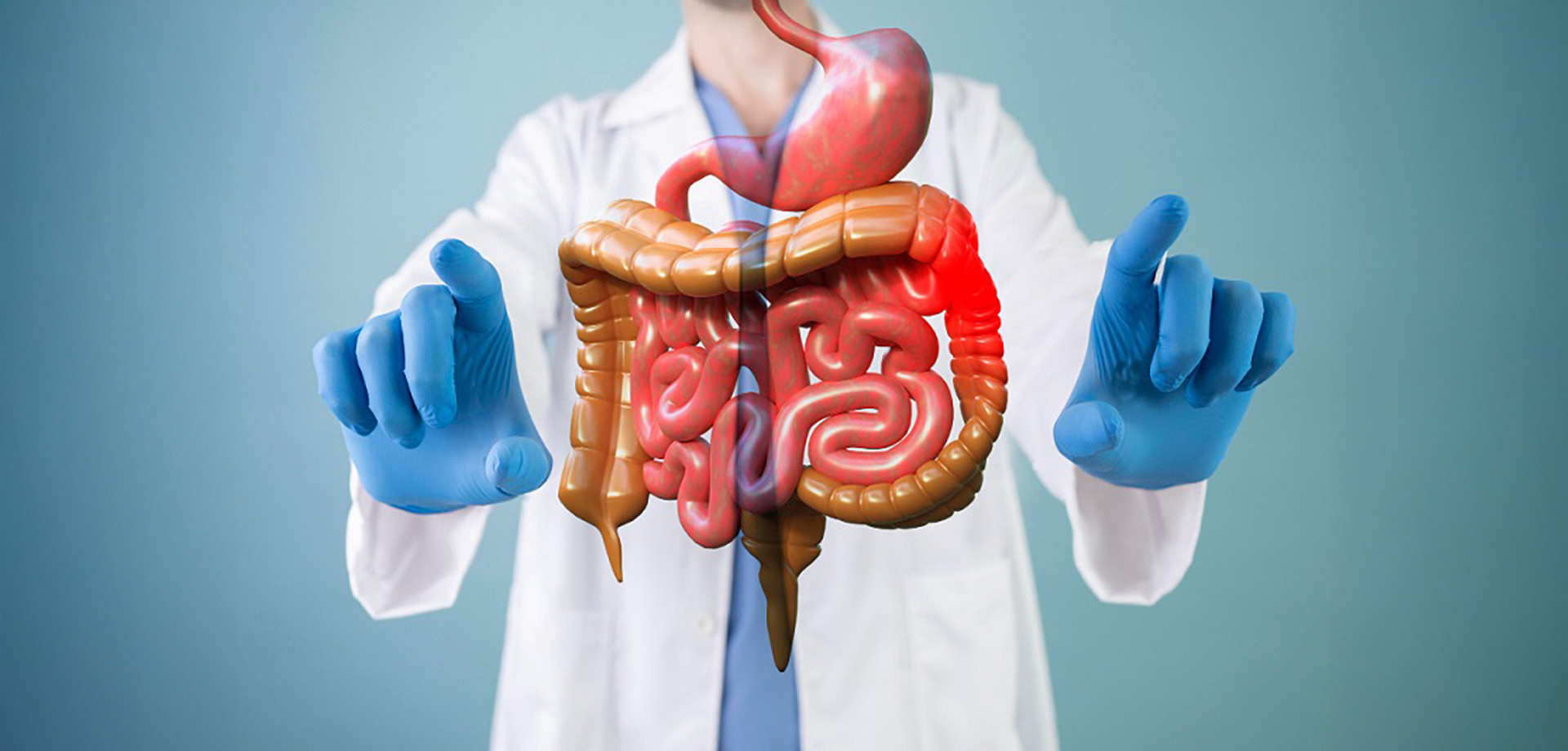
Emergency gastrointestinal (GI) surgeries are life-saving procedures performed to treat acute and potentially life-threatening conditions affecting the digestive tract. These conditions often present suddenly and require immediate surgical intervention to prevent severe complications, organ failure, or death. Emergency GI surgery is a critical component of acute surgical care and demands rapid diagnosis, decisive action, and skilled surgical expertise.
Common indications for emergency GI surgery include perforated stomach or bowel, intestinal obstruction, strangulated hernias, acute appendicitis, ischemic bowel, severe gastrointestinal bleeding, abdominal trauma, and complications of inflammatory bowel disease. Patients may present with severe abdominal pain, vomiting, fever, shock, bleeding, abdominal distension, or signs of sepsis. Delayed treatment in such cases can lead to widespread infection and multi-organ failure.
Emergency GI surgeries are performed to control infection, stop bleeding, relieve obstruction, remove diseased tissue, and restore gastrointestinal continuity where possible. The specific procedure depends on the underlying condition and may involve bowel resection, repair of perforation, control of bleeding, drainage of abscesses, or creation of a temporary stoma to protect healing tissues.
Preoperative assessment in emergency settings is rapid and focused, prioritizing patient stabilization. Blood tests, imaging studies such as CT scans, and clinical examination guide surgical decision-making. In many cases, surgery proceeds immediately once the diagnosis is established, as delays can significantly worsen outcomes.
Emergency GI surgery is performed under general anesthesia in fully equipped operating theaters with intensive monitoring. Open surgery is often required due to the severity of disease and need for rapid access, although minimally invasive techniques may be used in selected stable patients. Surgical teams work closely with anesthesiologists, intensivists, and critical care teams to manage high-risk patients.
Postoperative care is frequently delivered in high-dependency or intensive care units, especially in critically ill patients. Management focuses on infection control, fluid and electrolyte balance, nutritional support, and monitoring for complications such as sepsis or organ dysfunction. Recovery depends on the severity of illness, patient health, and extent of surgery performed.
Emergency GI surgeries save lives and prevent catastrophic complications when performed promptly and effectively. With experienced surgical teams and comprehensive critical care support, patients can recover from even severe gastrointestinal emergencies and regain functional health.
Common indications for emergency GI surgery include perforated stomach or bowel, intestinal obstruction, strangulated hernias, acute appendicitis, ischemic bowel, severe gastrointestinal bleeding, abdominal trauma, and complications of inflammatory bowel disease. Patients may present with severe abdominal pain, vomiting, fever, shock, bleeding, abdominal distension, or signs of sepsis. Delayed treatment in such cases can lead to widespread infection and multi-organ failure.
Emergency GI surgeries are performed to control infection, stop bleeding, relieve obstruction, remove diseased tissue, and restore gastrointestinal continuity where possible. The specific procedure depends on the underlying condition and may involve bowel resection, repair of perforation, control of bleeding, drainage of abscesses, or creation of a temporary stoma to protect healing tissues.
Preoperative assessment in emergency settings is rapid and focused, prioritizing patient stabilization. Blood tests, imaging studies such as CT scans, and clinical examination guide surgical decision-making. In many cases, surgery proceeds immediately once the diagnosis is established, as delays can significantly worsen outcomes.
Emergency GI surgery is performed under general anesthesia in fully equipped operating theaters with intensive monitoring. Open surgery is often required due to the severity of disease and need for rapid access, although minimally invasive techniques may be used in selected stable patients. Surgical teams work closely with anesthesiologists, intensivists, and critical care teams to manage high-risk patients.
Postoperative care is frequently delivered in high-dependency or intensive care units, especially in critically ill patients. Management focuses on infection control, fluid and electrolyte balance, nutritional support, and monitoring for complications such as sepsis or organ dysfunction. Recovery depends on the severity of illness, patient health, and extent of surgery performed.
Emergency GI surgeries save lives and prevent catastrophic complications when performed promptly and effectively. With experienced surgical teams and comprehensive critical care support, patients can recover from even severe gastrointestinal emergencies and regain functional health.
Quick Contact
If you have any questions simply use the following contact details.

Working Hours
-
Out-patient Department
Monday to Saturday 08:00 AM - 09:00 PM
Sunday 10:00 AM - 06:00 PM
-
Emergency Department & Pharmacy
Sunday to Saturday 24x7



Book Appointments, Inquire, or Manage Your Care Easily – Get in Touch via
 04 406 3000
  04 406 3000
Quick Links
Legal
Working Hours
-
Out-patient Department
Monday to Saturday | 8 AM to 9 PM
Sunday | 10 AM to 6 PM
Emergency Department & Pharmacy | 24x7
Connect with us!




©2026 IMH. All Rights Reserved. Ministry of Health License No : TEBMJIU0-060622