

Biliary Tract Surgery
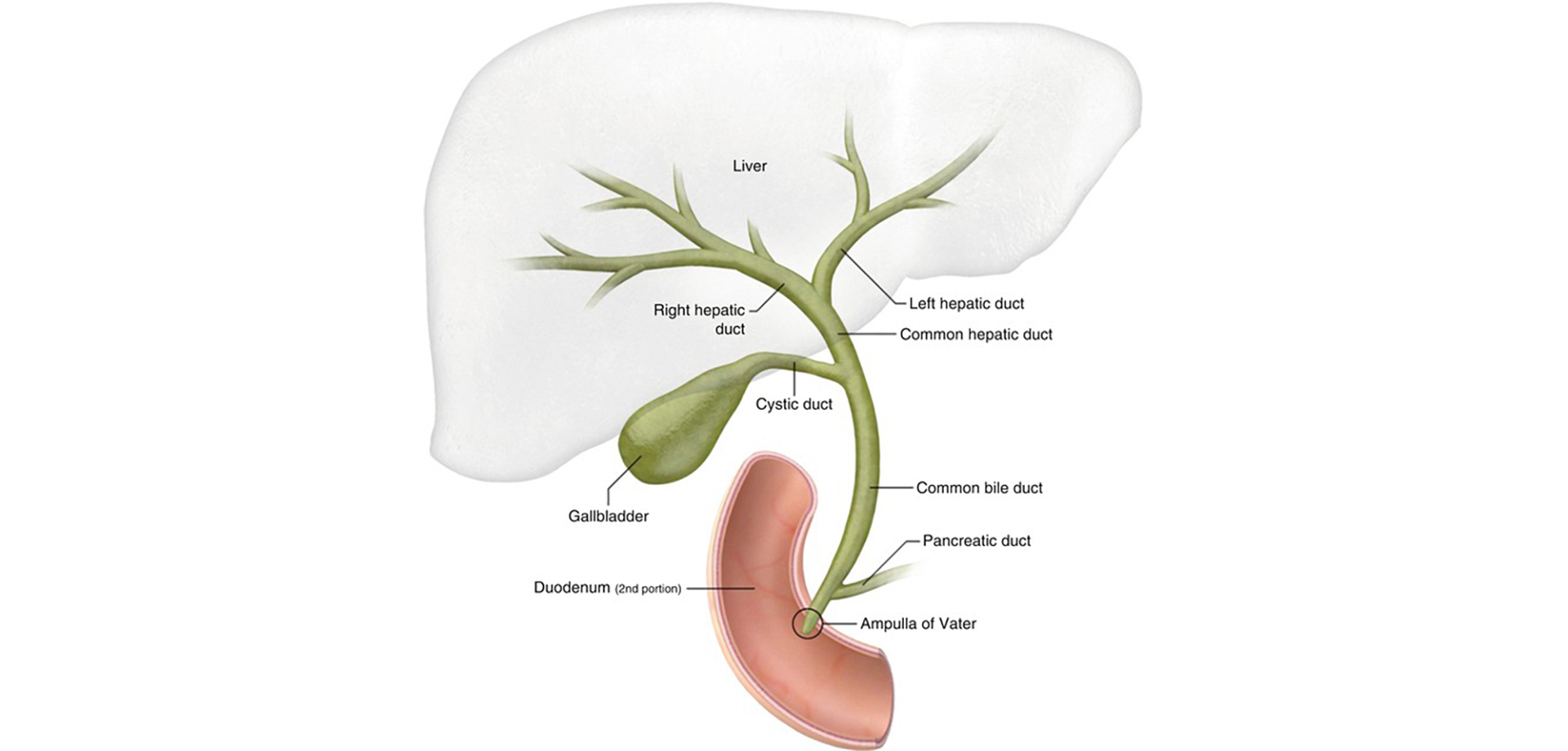
Biliary tract surgery refers to a group of surgical procedures performed to treat diseases affecting the bile ducts, gallbladder, and associated structures responsible for bile transport from the liver to the intestine. The biliary system plays a critical role in digestion, particularly in the absorption of fats. Disorders of the biliary tract can lead to significant pain, infection, jaundice, and life-threatening complications if not treated appropriately. Surgical intervention is often required when medical or endoscopic treatments are insufficient or contraindicated.
Conditions requiring biliary tract surgery include bile duct stones, biliary strictures, cholangitis, bile duct injuries, congenital bile duct abnormalities, and cancers of the bile ducts (cholangiocarcinoma). Patients may present with symptoms such as jaundice, upper abdominal pain, fever, itching, dark urine, pale stools, or recurrent infections. Early diagnosis and timely surgical management are essential to prevent liver damage and systemic complications.
Biliary tract surgery may involve removal of bile duct stones, reconstruction of damaged bile ducts, excision of strictures, or resection of bile duct tumors. In some cases, surgery is required following complications from gallbladder disease or previous procedures. The surgical approach is tailored to the underlying condition, anatomy, and overall health of the patient.
Preoperative evaluation includes detailed imaging such as ultrasound, MRCP, CT scans, and sometimes endoscopic assessment to define bile duct anatomy and pathology. Liver function tests and infection markers guide clinical decision-making. Multidisciplinary coordination between GI surgeons, gastroenterologists, radiologists, and anesthesiologists ensures comprehensive treatment planning.
Biliary tract surgery is performed under general anesthesia in specialized hepatobiliary surgical units. Advances in surgical techniques and imaging guidance have significantly improved precision and reduced complication rates. Minimally invasive laparoscopic or robotic approaches may be used in selected cases, while open surgery remains necessary for complex reconstructions or malignancies.
Postoperative care focuses on monitoring liver function, bile flow, infection prevention, and pain management. Patients are observed for potential complications such as bile leaks or infections. Recovery varies depending on the complexity of surgery, but structured follow-up ensures optimal outcomes.
Biliary tract surgery provides definitive treatment for complex biliary diseases and plays a vital role in restoring bile flow, preventing recurrent infections, and managing biliary cancers. When performed by experienced hepatobiliary surgeons, it offers excellent outcomes and long-term disease control.
Conditions requiring biliary tract surgery include bile duct stones, biliary strictures, cholangitis, bile duct injuries, congenital bile duct abnormalities, and cancers of the bile ducts (cholangiocarcinoma). Patients may present with symptoms such as jaundice, upper abdominal pain, fever, itching, dark urine, pale stools, or recurrent infections. Early diagnosis and timely surgical management are essential to prevent liver damage and systemic complications.
Biliary tract surgery may involve removal of bile duct stones, reconstruction of damaged bile ducts, excision of strictures, or resection of bile duct tumors. In some cases, surgery is required following complications from gallbladder disease or previous procedures. The surgical approach is tailored to the underlying condition, anatomy, and overall health of the patient.
Preoperative evaluation includes detailed imaging such as ultrasound, MRCP, CT scans, and sometimes endoscopic assessment to define bile duct anatomy and pathology. Liver function tests and infection markers guide clinical decision-making. Multidisciplinary coordination between GI surgeons, gastroenterologists, radiologists, and anesthesiologists ensures comprehensive treatment planning.
Biliary tract surgery is performed under general anesthesia in specialized hepatobiliary surgical units. Advances in surgical techniques and imaging guidance have significantly improved precision and reduced complication rates. Minimally invasive laparoscopic or robotic approaches may be used in selected cases, while open surgery remains necessary for complex reconstructions or malignancies.
Postoperative care focuses on monitoring liver function, bile flow, infection prevention, and pain management. Patients are observed for potential complications such as bile leaks or infections. Recovery varies depending on the complexity of surgery, but structured follow-up ensures optimal outcomes.
Biliary tract surgery provides definitive treatment for complex biliary diseases and plays a vital role in restoring bile flow, preventing recurrent infections, and managing biliary cancers. When performed by experienced hepatobiliary surgeons, it offers excellent outcomes and long-term disease control.
Quick Contact
If you have any questions simply use the following contact details.

Working Hours
-
Out-patient Department
Monday to Saturday 08:00 AM - 09:00 PM
Sunday 10:00 AM - 06:00 PM
-
Emergency Department & Pharmacy
Sunday to Saturday 24x7



Book Appointments, Inquire, or Manage Your Care Easily – Get in Touch via
 04 406 3000
  04 406 3000
Quick Links
Legal
Working Hours
-
Out-patient Department
Monday to Saturday | 8 AM to 9 PM
Sunday | 10 AM to 6 PM
Emergency Department & Pharmacy | 24x7
Connect with us!




©2026 IMH. All Rights Reserved. Ministry of Health License No : TEBMJIU0-060622