

Vascular Surgery
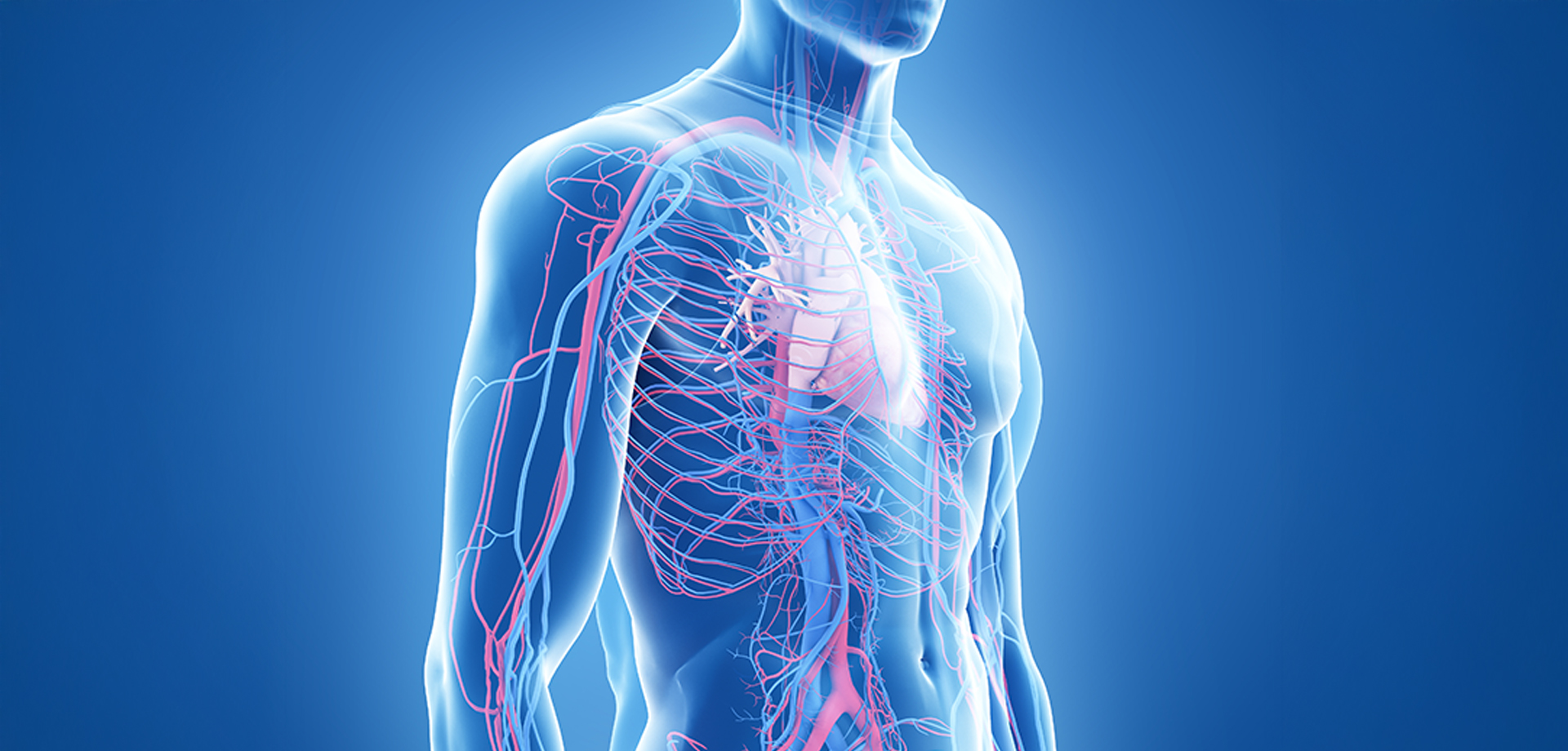
Vascular surgery is a specialized field focused on the treatment of diseases affecting the blood vessels, including arteries, veins, and lymphatic circulation. These conditions can impair blood flow, leading to pain, tissue damage, organ dysfunction, and life-threatening complications if left untreated. Vascular surgery plays a vital role in restoring circulation, preventing complications, and improving overall cardiovascular health.
Vascular conditions treated surgically include peripheral artery disease, carotid artery disease, aneurysms, varicose veins, deep vein thrombosis complications, and vascular trauma. Patients may present with symptoms such as leg pain during walking, non-healing wounds, swelling, visible veins, or neurological symptoms related to reduced blood flow to the brain.
Vascular surgery is indicated when conservative or medical treatments are insufficient or when disease severity poses significant risk. Procedures may be performed electively to prevent complications or urgently in cases such as acute limb ischemia, ruptured aneurysm, or severe vascular injury. Accurate diagnosis and timely intervention are critical to preserving limb and organ function.
Modern vascular surgery incorporates both open surgical and minimally invasive endovascular techniques. Endovascular procedures involve accessing blood vessels through small punctures and using imaging guidance to perform interventions such as angioplasty, stent placement, or clot removal. These techniques reduce recovery time, pain, and surgical risk compared to traditional open surgery.
Vascular surgery procedures are performed under general or regional anesthesia, depending on the complexity of the intervention. Advanced imaging, including ultrasound and angiography, ensures precise planning and execution. Careful intraoperative monitoring is essential to maintain blood flow and patient safety.
Postoperative care focuses on monitoring circulation, managing pain, preventing infection, and optimizing cardiovascular risk factors. Long-term follow-up includes lifestyle modification, medication management, and surveillance imaging to maintain vessel health and prevent recurrence.
Vascular surgery significantly improves quality of life and survival in patients with circulatory disorders. With advances in technology and expertise, it offers effective, durable solutions for complex vascular diseases while minimizing surgical trauma.
Vascular conditions treated surgically include peripheral artery disease, carotid artery disease, aneurysms, varicose veins, deep vein thrombosis complications, and vascular trauma. Patients may present with symptoms such as leg pain during walking, non-healing wounds, swelling, visible veins, or neurological symptoms related to reduced blood flow to the brain.
Vascular surgery is indicated when conservative or medical treatments are insufficient or when disease severity poses significant risk. Procedures may be performed electively to prevent complications or urgently in cases such as acute limb ischemia, ruptured aneurysm, or severe vascular injury. Accurate diagnosis and timely intervention are critical to preserving limb and organ function.
Modern vascular surgery incorporates both open surgical and minimally invasive endovascular techniques. Endovascular procedures involve accessing blood vessels through small punctures and using imaging guidance to perform interventions such as angioplasty, stent placement, or clot removal. These techniques reduce recovery time, pain, and surgical risk compared to traditional open surgery.
Vascular surgery procedures are performed under general or regional anesthesia, depending on the complexity of the intervention. Advanced imaging, including ultrasound and angiography, ensures precise planning and execution. Careful intraoperative monitoring is essential to maintain blood flow and patient safety.
Postoperative care focuses on monitoring circulation, managing pain, preventing infection, and optimizing cardiovascular risk factors. Long-term follow-up includes lifestyle modification, medication management, and surveillance imaging to maintain vessel health and prevent recurrence.
Vascular surgery significantly improves quality of life and survival in patients with circulatory disorders. With advances in technology and expertise, it offers effective, durable solutions for complex vascular diseases while minimizing surgical trauma.
Quick Contact
If you have any questions simply use the following contact details.

Working Hours
-
Out-patient Department
Monday to Saturday 08:00 AM - 09:00 PM
Sunday 10:00 AM - 06:00 PM
-
Emergency Department & Pharmacy
Sunday to Saturday 24x7


Book Appointments, Inquire, or Manage Your Care Easily – Get in Touch via
 04 406 3000
  04 406 3000
Quick Links
Legal
Working Hours
-
Out-patient Department
Monday to Saturday | 8 AM to 9 PM
Sunday | 10 AM to 6 PM
Emergency Department & Pharmacy | 24x7
Connect with us!




©2026 IMH. All Rights Reserved. Ministry of Health License No : TEBMJIU0-060622