

Surgical Oncology
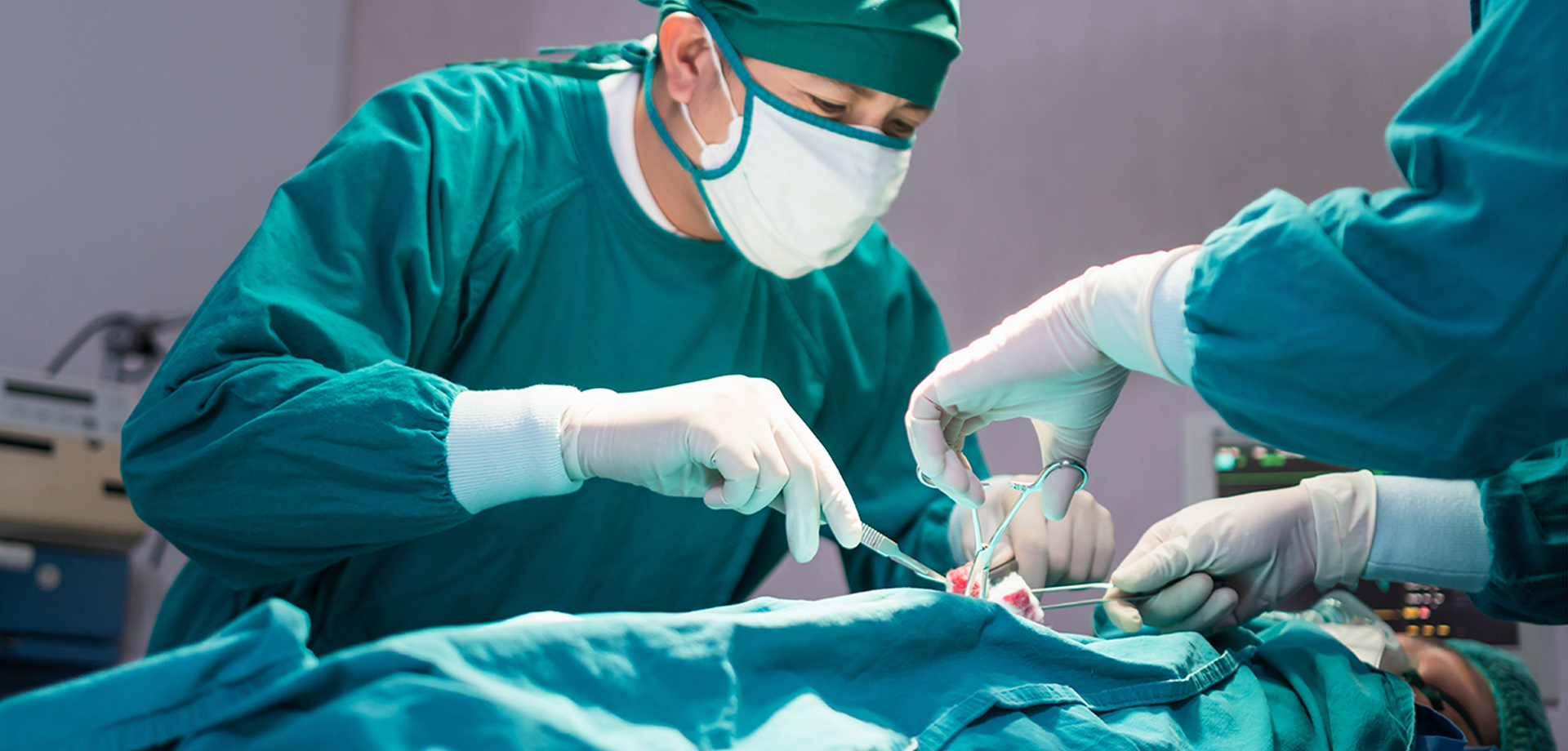
Surgical oncology is a specialized branch of surgery focused on the diagnosis, staging, and surgical treatment of cancer. Surgery remains a cornerstone of cancer management and is often the most effective method for removing solid tumors when detected at a resectable stage. Surgical oncology plays a critical role not only in curative treatment but also in diagnosis, symptom relief, and long-term disease control across a wide range of cancers.
Surgical oncologists are trained to manage tumors affecting multiple organ systems, including the breast, gastrointestinal tract, liver, pancreas, thyroid, soft tissues, and skin. The primary objective of cancer surgery is complete removal of the tumor with clear margins while preserving surrounding healthy tissue and organ function whenever possible. Accurate surgical technique is essential to minimize recurrence and optimize survival outcomes.
Surgical oncology is indicated in patients with confirmed or suspected malignancies, early-stage cancers amenable to curative resection, and selected advanced cancers where surgery forms part of a multimodal treatment plan. Surgery may also be performed to obtain diagnostic tissue, stage cancer spread, relieve obstruction, control bleeding, or improve quality of life in palliative settings.
Preoperative evaluation is comprehensive and includes imaging studies, biopsies, laboratory tests, and multidisciplinary tumor board discussions. Treatment planning often involves close collaboration with medical oncologists, radiation oncologists, radiologists, pathologists, and anesthesiologists to ensure a coordinated and individualized approach to cancer care.
Advances in surgical oncology have led to increased use of minimally invasive and organ-preserving techniques. Laparoscopic, robotic-assisted, and image-guided surgeries reduce surgical trauma, improve recovery time, and enhance precision. These approaches are particularly valuable in complex cancer surgeries where anatomical accuracy is critical.
Surgical oncology procedures are performed under general anesthesia in specialized operating theaters equipped for complex oncologic surgery. Intraoperative techniques such as frozen section analysis may be used to confirm tumor clearance during surgery. Postoperative care focuses on recovery, pain management, wound healing, and early detection of complications.
Following surgery, pathological analysis of the removed tissue determines cancer type, stage, and need for additional therapy. Long-term follow-up is essential to monitor for recurrence and manage survivorship issues. Surgical oncology offers patients the opportunity for cure, disease control, and improved quality of life when integrated into comprehensive cancer care.
Surgical oncologists are trained to manage tumors affecting multiple organ systems, including the breast, gastrointestinal tract, liver, pancreas, thyroid, soft tissues, and skin. The primary objective of cancer surgery is complete removal of the tumor with clear margins while preserving surrounding healthy tissue and organ function whenever possible. Accurate surgical technique is essential to minimize recurrence and optimize survival outcomes.
Surgical oncology is indicated in patients with confirmed or suspected malignancies, early-stage cancers amenable to curative resection, and selected advanced cancers where surgery forms part of a multimodal treatment plan. Surgery may also be performed to obtain diagnostic tissue, stage cancer spread, relieve obstruction, control bleeding, or improve quality of life in palliative settings.
Preoperative evaluation is comprehensive and includes imaging studies, biopsies, laboratory tests, and multidisciplinary tumor board discussions. Treatment planning often involves close collaboration with medical oncologists, radiation oncologists, radiologists, pathologists, and anesthesiologists to ensure a coordinated and individualized approach to cancer care.
Advances in surgical oncology have led to increased use of minimally invasive and organ-preserving techniques. Laparoscopic, robotic-assisted, and image-guided surgeries reduce surgical trauma, improve recovery time, and enhance precision. These approaches are particularly valuable in complex cancer surgeries where anatomical accuracy is critical.
Surgical oncology procedures are performed under general anesthesia in specialized operating theaters equipped for complex oncologic surgery. Intraoperative techniques such as frozen section analysis may be used to confirm tumor clearance during surgery. Postoperative care focuses on recovery, pain management, wound healing, and early detection of complications.
Following surgery, pathological analysis of the removed tissue determines cancer type, stage, and need for additional therapy. Long-term follow-up is essential to monitor for recurrence and manage survivorship issues. Surgical oncology offers patients the opportunity for cure, disease control, and improved quality of life when integrated into comprehensive cancer care.
Quick Contact
If you have any questions simply use the following contact details.

Working Hours
-
Out-patient Department
Monday to Saturday 08:00 AM - 09:00 PM
Sunday 10:00 AM - 06:00 PM
-
Emergency Department & Pharmacy
Sunday to Saturday 24x7


Book Appointments, Inquire, or Manage Your Care Easily – Get in Touch via
 04 406 3000
  04 406 3000
Quick Links
Legal
Working Hours
-
Out-patient Department
Monday to Saturday | 8 AM to 9 PM
Sunday | 10 AM to 6 PM
Emergency Department & Pharmacy | 24x7
Connect with us!




©2026 IMH. All Rights Reserved. Ministry of Health License No : TEBMJIU0-060622