

Pancreas Surgery
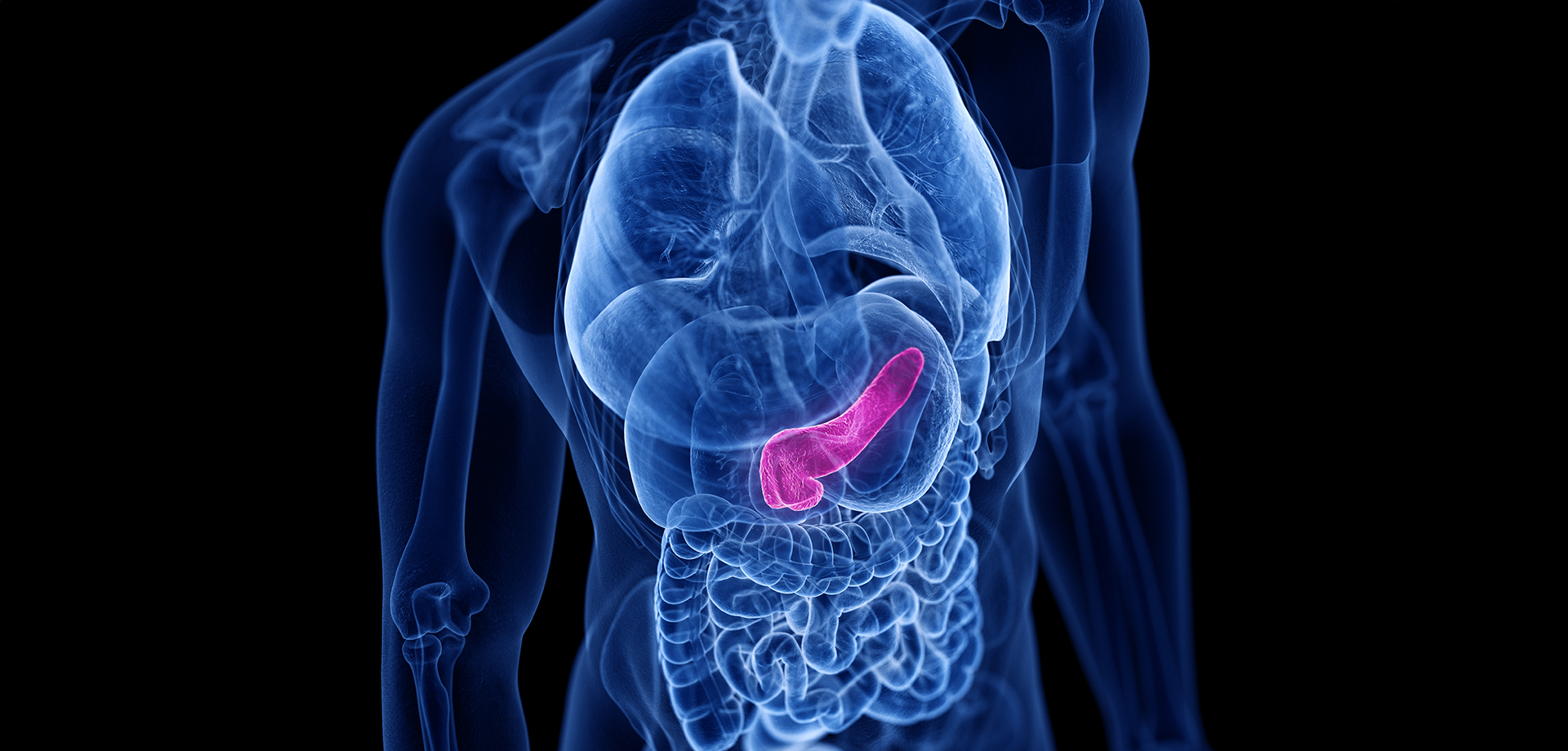
Pancreas surgery refers to a group of complex surgical procedures performed to treat diseases affecting the pancreas, an organ that plays a vital role in digestion and blood sugar regulation. The pancreas produces digestive enzymes that aid in nutrient absorption and hormones such as insulin and glucagon that regulate glucose metabolism. Disorders of the pancreas can therefore have widespread effects on overall health and often require highly specialized surgical care.
Pancreatic conditions requiring surgery include pancreatic cancer, chronic pancreatitis, pancreatic cysts and tumors, neuroendocrine tumors, traumatic injury, and complications such as pancreatic duct obstruction. Symptoms may include abdominal pain radiating to the back, unexplained weight loss, jaundice, digestive disturbances, diabetes, or recurrent episodes of pancreatitis. Early evaluation and timely surgical intervention are essential to improve outcomes, particularly in malignant disease.
The type of pancreatic surgery performed depends on the location and extent of the disease. Common procedures include pancreatic head resections for tumors located near the bile duct, distal pancreatic resections for disease involving the tail of the pancreas, and drainage procedures for chronic pancreatitis. In cancer cases, surgery aims to remove the tumor completely while preserving as much normal pancreatic function as possible.
Pancreas surgery is technically demanding due to the organ’s deep location and close proximity to major blood vessels and other vital structures. Preoperative evaluation is comprehensive and includes advanced imaging such as CT scans, MRI, and endoscopic ultrasound, along with laboratory tests and multidisciplinary case discussions. Careful patient selection is critical to ensure surgical safety and benefit.
These procedures are performed under general anesthesia in specialized operating theaters equipped for complex abdominal surgery. Advances in surgical technique have allowed some pancreatic procedures to be performed using minimally invasive laparoscopic or robotic approaches in selected patients, reducing postoperative pain and recovery time. Open surgery remains necessary in many cases, particularly for advanced cancers.
Postoperative care focuses on pain control, nutritional support, monitoring for complications such as pancreatic fistula or infection, and management of blood sugar levels. Patients may require enzyme supplementation or diabetes management following surgery. Recovery times vary depending on the procedure performed and individual patient factors.
Pancreas surgery plays a crucial role in the management of serious pancreatic diseases. When performed by experienced surgical teams with multidisciplinary support, it offers the best chance for disease control, symptom relief, and improved survival, particularly in pancreatic cancer and complex chronic conditions.
Pancreatic conditions requiring surgery include pancreatic cancer, chronic pancreatitis, pancreatic cysts and tumors, neuroendocrine tumors, traumatic injury, and complications such as pancreatic duct obstruction. Symptoms may include abdominal pain radiating to the back, unexplained weight loss, jaundice, digestive disturbances, diabetes, or recurrent episodes of pancreatitis. Early evaluation and timely surgical intervention are essential to improve outcomes, particularly in malignant disease.
The type of pancreatic surgery performed depends on the location and extent of the disease. Common procedures include pancreatic head resections for tumors located near the bile duct, distal pancreatic resections for disease involving the tail of the pancreas, and drainage procedures for chronic pancreatitis. In cancer cases, surgery aims to remove the tumor completely while preserving as much normal pancreatic function as possible.
Pancreas surgery is technically demanding due to the organ’s deep location and close proximity to major blood vessels and other vital structures. Preoperative evaluation is comprehensive and includes advanced imaging such as CT scans, MRI, and endoscopic ultrasound, along with laboratory tests and multidisciplinary case discussions. Careful patient selection is critical to ensure surgical safety and benefit.
These procedures are performed under general anesthesia in specialized operating theaters equipped for complex abdominal surgery. Advances in surgical technique have allowed some pancreatic procedures to be performed using minimally invasive laparoscopic or robotic approaches in selected patients, reducing postoperative pain and recovery time. Open surgery remains necessary in many cases, particularly for advanced cancers.
Postoperative care focuses on pain control, nutritional support, monitoring for complications such as pancreatic fistula or infection, and management of blood sugar levels. Patients may require enzyme supplementation or diabetes management following surgery. Recovery times vary depending on the procedure performed and individual patient factors.
Pancreas surgery plays a crucial role in the management of serious pancreatic diseases. When performed by experienced surgical teams with multidisciplinary support, it offers the best chance for disease control, symptom relief, and improved survival, particularly in pancreatic cancer and complex chronic conditions.
Quick Contact
If you have any questions simply use the following contact details.

Working Hours
-
Out-patient Department
Monday to Saturday 08:00 AM - 09:00 PM
Sunday 10:00 AM - 06:00 PM
-
Emergency Department & Pharmacy
Sunday to Saturday 24x7



Book Appointments, Inquire, or Manage Your Care Easily – Get in Touch via
 04 406 3000
  04 406 3000
Quick Links
Legal
Working Hours
-
Out-patient Department
Monday to Saturday | 8 AM to 9 PM
Sunday | 10 AM to 6 PM
Emergency Department & Pharmacy | 24x7
Connect with us!




©2026 IMH. All Rights Reserved. Ministry of Health License No : TEBMJIU0-060622