

Liver Surgery
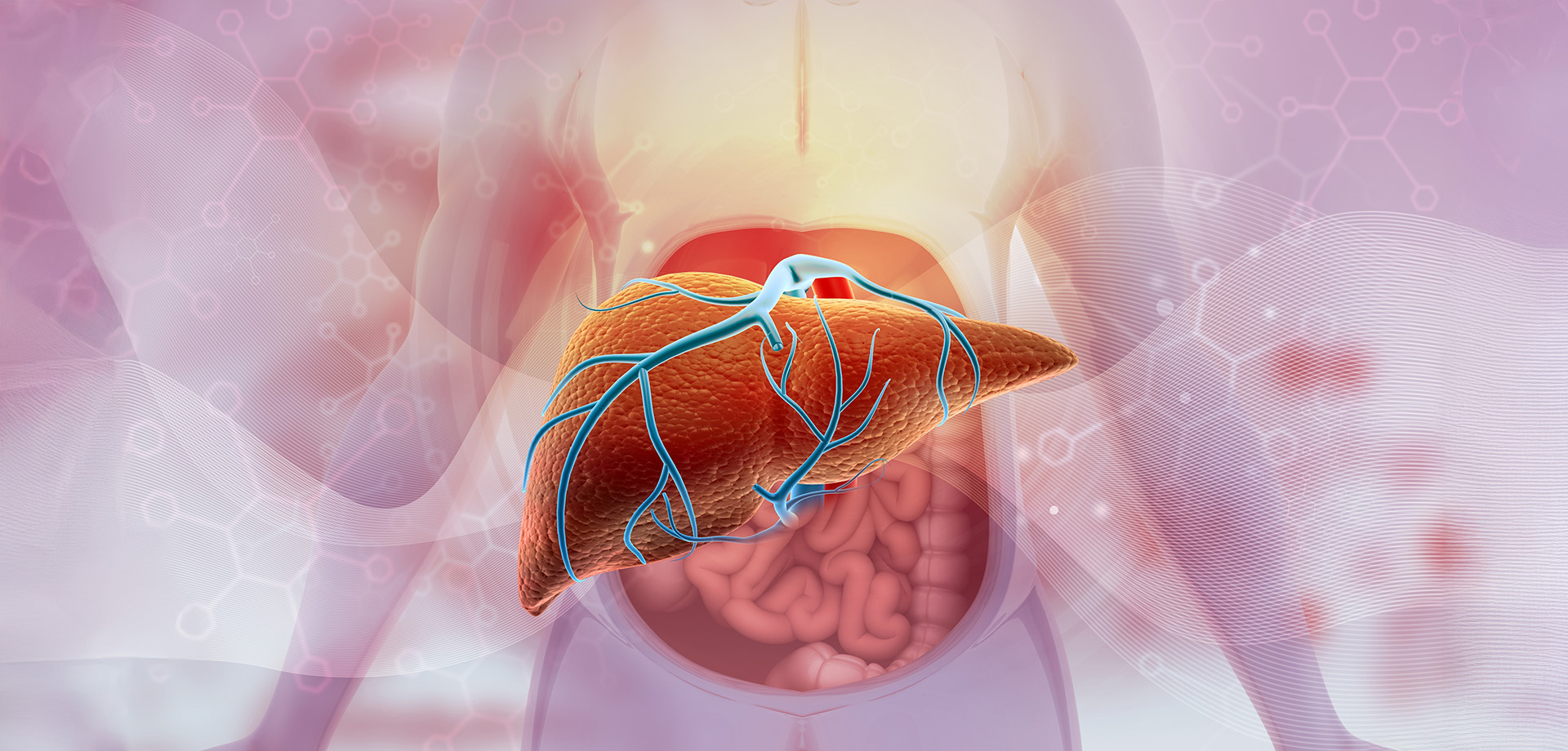
Liver surgery encompasses a range of complex surgical procedures performed to treat diseases affecting the liver, an essential organ responsible for metabolism, detoxification, bile production, and regulation of blood chemistry. Because of the liver’s vital functions and rich blood supply, liver surgery requires advanced expertise, careful planning, and specialized perioperative care. When appropriately indicated, liver surgery can be life-saving and offer long-term disease control.
Conditions requiring liver surgery include benign tumors such as hemangiomas and adenomas, malignant tumors including primary liver cancer (hepatocellular carcinoma) and secondary liver metastases, liver cysts, bile duct tumors, traumatic liver injuries, and complications of chronic liver disease. Patients may present with abdominal pain, weight loss, jaundice, abnormal liver function tests, or findings detected incidentally on imaging studies.
Liver surgery is indicated when lesions are symptomatic, growing, at risk of rupture, or malignant. In cancer cases, surgical removal of liver tumors offers the best chance for cure or long-term survival when disease is localized and liver function is preserved. Careful patient selection is critical and involves assessment of liver reserve, tumor extent, vascular involvement, and overall health status.
Preoperative evaluation includes advanced imaging such as CT scans, MRI, and sometimes PET scans to precisely map liver anatomy and tumor location. Blood tests assess liver function and clotting status. Multidisciplinary discussion involving surgeons, hepatologists, oncologists, radiologists, and anesthesiologists ensures that surgery is safe, appropriate, and optimally planned.
Liver surgery may involve partial hepatectomy, where a segment or lobe of the liver is removed. The liver has a remarkable capacity to regenerate, allowing safe removal of diseased portions while maintaining function. Whenever possible, minimally invasive laparoscopic or robotic techniques are used to reduce surgical trauma, blood loss, and recovery time. Open surgery may be required for larger or more complex tumors.
The procedure is performed under general anesthesia in a specialized operating theater equipped for major abdominal surgery. Intraoperative techniques such as ultrasound guidance help surgeons achieve precise tumor removal while preserving healthy liver tissue and vital blood vessels.
Postoperative care focuses on monitoring liver function, managing pain, preventing infection, and supporting recovery. Hospital stay varies depending on the extent of surgery. With appropriate postoperative care, most patients experience good recovery and return to normal activities over time.
Liver surgery plays a central role in the management of complex liver diseases and liver cancers. When performed by experienced surgical teams within a multidisciplinary framework, it offers excellent outcomes, improved survival, and meaningful improvement in quality of life.
Conditions requiring liver surgery include benign tumors such as hemangiomas and adenomas, malignant tumors including primary liver cancer (hepatocellular carcinoma) and secondary liver metastases, liver cysts, bile duct tumors, traumatic liver injuries, and complications of chronic liver disease. Patients may present with abdominal pain, weight loss, jaundice, abnormal liver function tests, or findings detected incidentally on imaging studies.
Liver surgery is indicated when lesions are symptomatic, growing, at risk of rupture, or malignant. In cancer cases, surgical removal of liver tumors offers the best chance for cure or long-term survival when disease is localized and liver function is preserved. Careful patient selection is critical and involves assessment of liver reserve, tumor extent, vascular involvement, and overall health status.
Preoperative evaluation includes advanced imaging such as CT scans, MRI, and sometimes PET scans to precisely map liver anatomy and tumor location. Blood tests assess liver function and clotting status. Multidisciplinary discussion involving surgeons, hepatologists, oncologists, radiologists, and anesthesiologists ensures that surgery is safe, appropriate, and optimally planned.
Liver surgery may involve partial hepatectomy, where a segment or lobe of the liver is removed. The liver has a remarkable capacity to regenerate, allowing safe removal of diseased portions while maintaining function. Whenever possible, minimally invasive laparoscopic or robotic techniques are used to reduce surgical trauma, blood loss, and recovery time. Open surgery may be required for larger or more complex tumors.
The procedure is performed under general anesthesia in a specialized operating theater equipped for major abdominal surgery. Intraoperative techniques such as ultrasound guidance help surgeons achieve precise tumor removal while preserving healthy liver tissue and vital blood vessels.
Postoperative care focuses on monitoring liver function, managing pain, preventing infection, and supporting recovery. Hospital stay varies depending on the extent of surgery. With appropriate postoperative care, most patients experience good recovery and return to normal activities over time.
Liver surgery plays a central role in the management of complex liver diseases and liver cancers. When performed by experienced surgical teams within a multidisciplinary framework, it offers excellent outcomes, improved survival, and meaningful improvement in quality of life.
Quick Contact
If you have any questions simply use the following contact details.

Working Hours
-
Out-patient Department
Monday to Saturday 08:00 AM - 09:00 PM
Sunday 10:00 AM - 06:00 PM
-
Emergency Department & Pharmacy
Sunday to Saturday 24x7



Book Appointments, Inquire, or Manage Your Care Easily – Get in Touch via
 04 406 3000
  04 406 3000
Quick Links
Legal
Working Hours
-
Out-patient Department
Monday to Saturday | 8 AM to 9 PM
Sunday | 10 AM to 6 PM
Emergency Department & Pharmacy | 24x7
Connect with us!




©2026 IMH. All Rights Reserved. Ministry of Health License No : TEBMJIU0-060622