

Hernia Repair Surgery
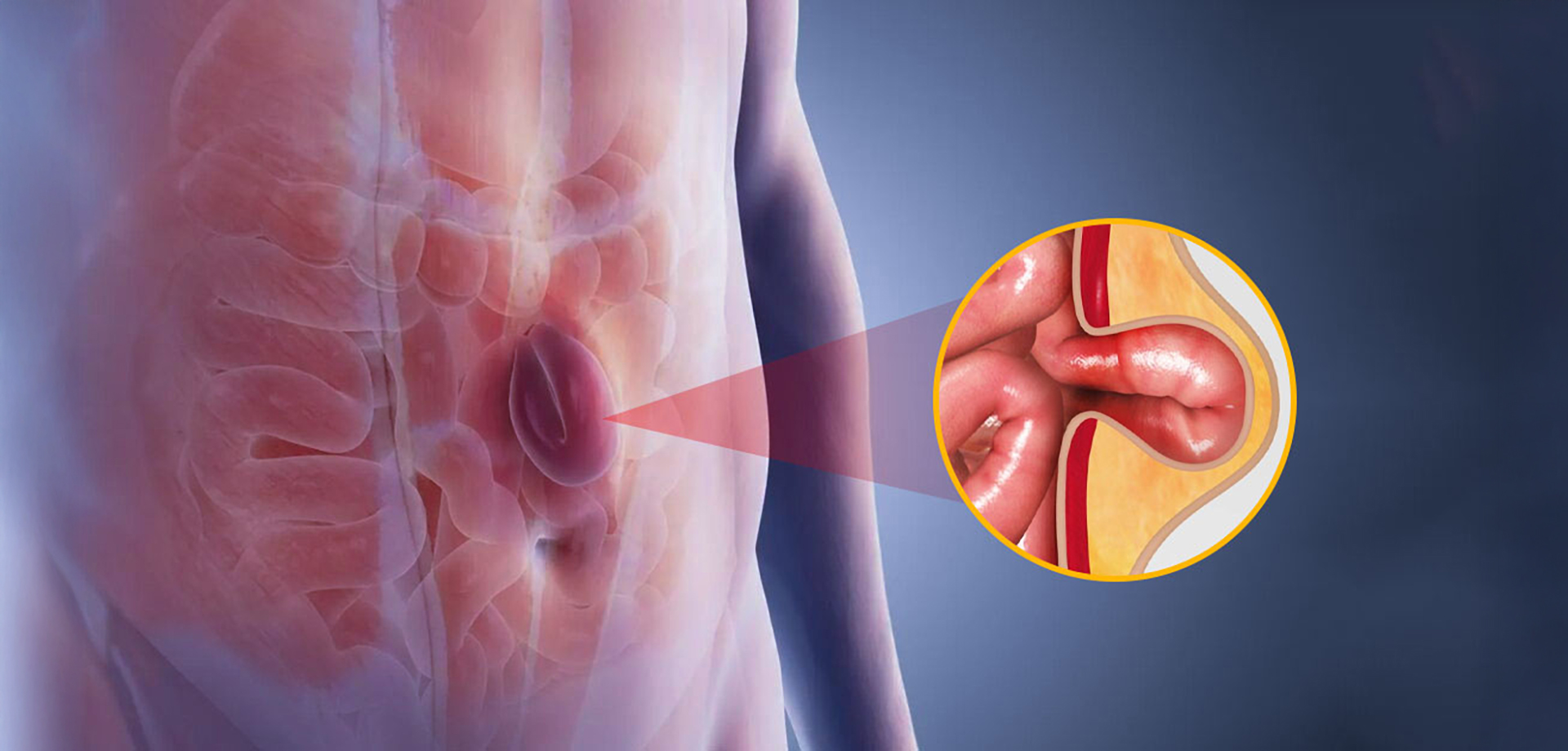
Hernia repair surgery is a well-established procedure used to correct hernias, which occur when an internal organ or tissue protrudes through a weak area in the muscle or connective tissue. Hernias commonly affect the abdominal wall and groin and may worsen over time if left untreated. Hernia repair restores anatomical integrity, relieves symptoms, and prevents serious complications such as bowel obstruction or strangulation.
Common types of hernias include inguinal hernia, femoral hernia, umbilical hernia, incisional hernia, and ventral hernia. Patients may experience a visible bulge, discomfort, pain during physical activity, or a sensation of heaviness. In some cases, hernias may be painless initially but progressively enlarge and become symptomatic.
Hernia repair surgery is indicated in patients with symptomatic hernias, enlarging hernias, or hernias at risk of complications. Even asymptomatic hernias may be recommended for surgical repair to prevent future emergencies. Preoperative evaluation includes physical examination and imaging studies when required to determine the type and extent of the hernia.
The procedure can be performed using open or minimally invasive laparoscopic techniques. Laparoscopic hernia repair is increasingly preferred due to smaller incisions, reduced postoperative pain, quicker recovery, and lower recurrence rates. During surgery, the protruding tissue is repositioned, and the weakened area is reinforced, often using a surgical mesh to provide long-term strength and stability.
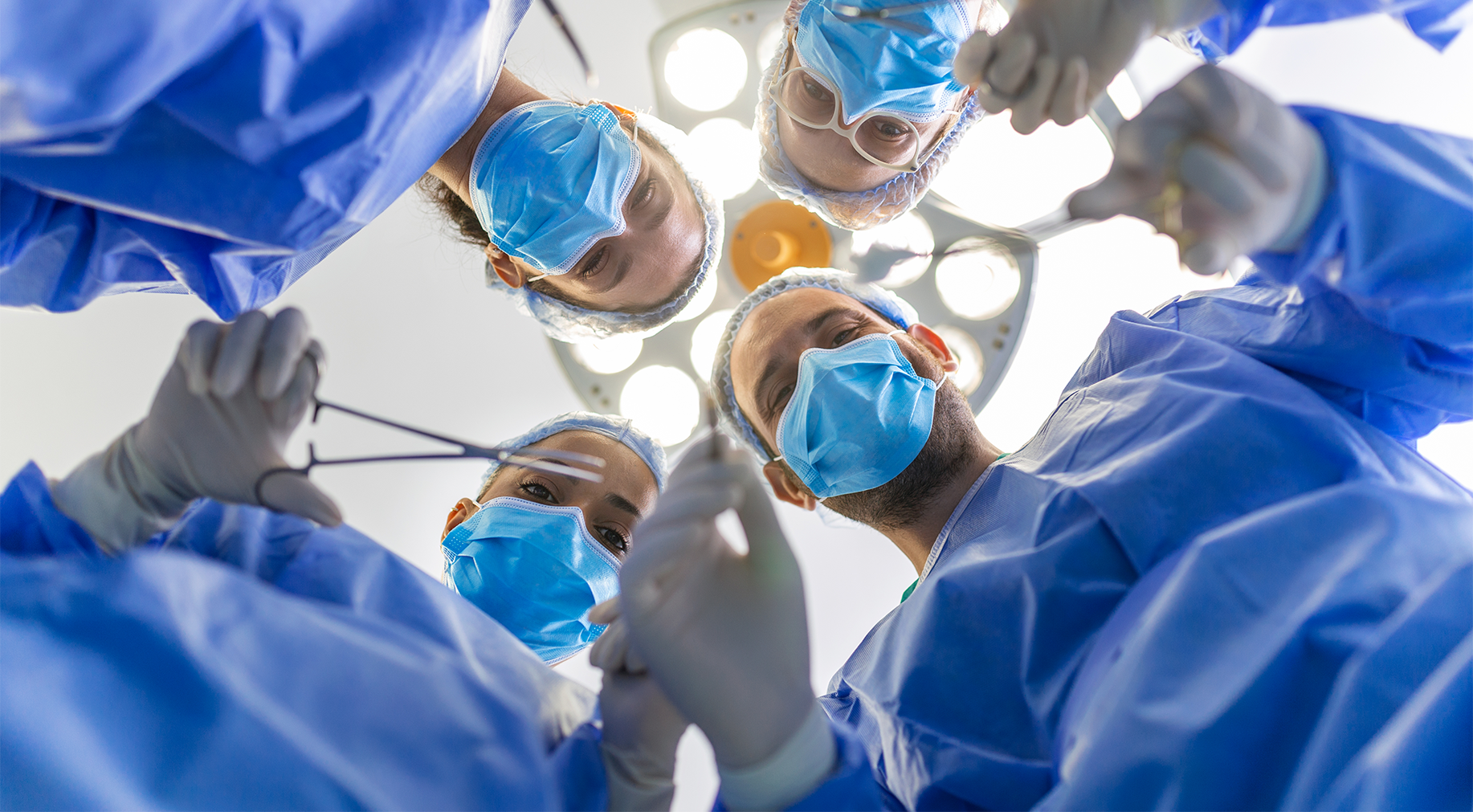
Hernia repair surgery is performed under general or regional anesthesia in a controlled surgical environment. Advanced surgical techniques and careful placement of mesh help reduce recurrence and minimize complications. The choice of technique is individualized based on the hernia type, patient health status, and surgeon expertise.
Following surgery, patients are encouraged to mobilize early while avoiding heavy lifting for a specified period. Pain is usually mild to moderate and well controlled with medication. Most patients return to normal daily activities within a short time, especially after laparoscopic repair.
Hernia repair surgery offers durable relief from symptoms and significantly improves quality of life. When performed using modern techniques and appropriate patient selection, it is a safe and effective solution for abdominal wall hernias, preventing long-term complications and recurrence.
Common types of hernias include inguinal hernia, femoral hernia, umbilical hernia, incisional hernia, and ventral hernia. Patients may experience a visible bulge, discomfort, pain during physical activity, or a sensation of heaviness. In some cases, hernias may be painless initially but progressively enlarge and become symptomatic.
Hernia repair surgery is indicated in patients with symptomatic hernias, enlarging hernias, or hernias at risk of complications. Even asymptomatic hernias may be recommended for surgical repair to prevent future emergencies. Preoperative evaluation includes physical examination and imaging studies when required to determine the type and extent of the hernia.
The procedure can be performed using open or minimally invasive laparoscopic techniques. Laparoscopic hernia repair is increasingly preferred due to smaller incisions, reduced postoperative pain, quicker recovery, and lower recurrence rates. During surgery, the protruding tissue is repositioned, and the weakened area is reinforced, often using a surgical mesh to provide long-term strength and stability.
Hernia repair surgery is performed under general or regional anesthesia in a controlled surgical environment. Advanced surgical techniques and careful placement of mesh help reduce recurrence and minimize complications. The choice of technique is individualized based on the hernia type, patient health status, and surgeon expertise.
Following surgery, patients are encouraged to mobilize early while avoiding heavy lifting for a specified period. Pain is usually mild to moderate and well controlled with medication. Most patients return to normal daily activities within a short time, especially after laparoscopic repair.
Hernia repair surgery offers durable relief from symptoms and significantly improves quality of life. When performed using modern techniques and appropriate patient selection, it is a safe and effective solution for abdominal wall hernias, preventing long-term complications and recurrence.
Quick Contact
If you have any questions simply use the following contact details.

Working Hours
-
Out-patient Department
Monday to Saturday 08:00 AM - 09:00 PM
Sunday 10:00 AM - 06:00 PM
-
Emergency Department & Pharmacy
Sunday to Saturday 24x7


Book Appointments, Inquire, or Manage Your Care Easily – Get in Touch via
 04 406 3000
  04 406 3000
Quick Links
Legal
Working Hours
-
Out-patient Department
Monday to Saturday | 8 AM to 9 PM
Sunday | 10 AM to 6 PM
Emergency Department & Pharmacy | 24x7
Connect with us!




©2026 IMH. All Rights Reserved. Ministry of Health License No : TEBMJIU0-060622