

Head and Neck Surgery
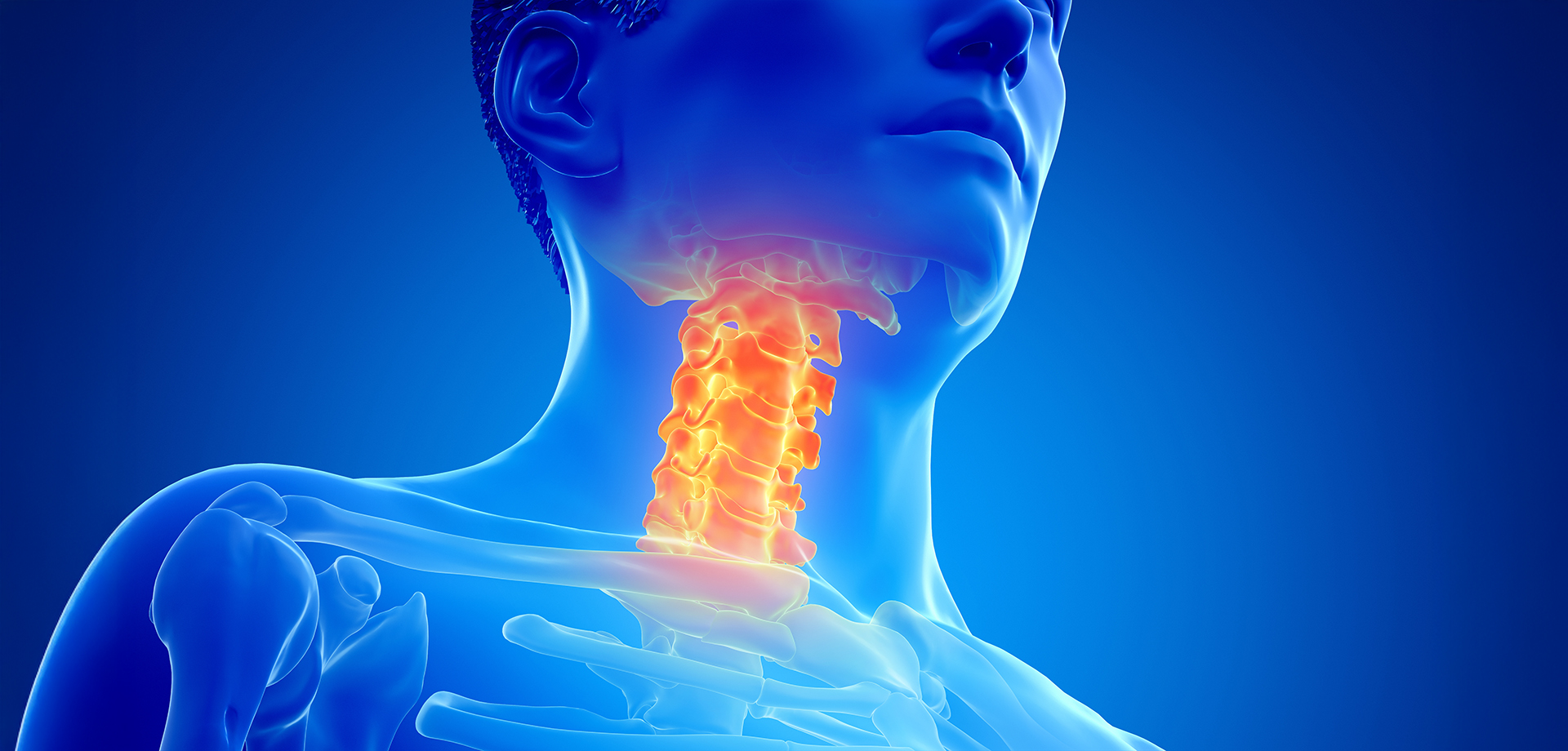
Head and neck surgery is a specialized field of surgery focused on treating diseases affecting the structures of the head and neck, including the throat, larynx, pharynx, salivary glands, thyroid, parathyroid glands, lymph nodes, and soft tissues. These structures are critical for breathing, swallowing, speech, hearing, and appearance, making surgical intervention both technically complex and functionally significant.
Conditions requiring head and neck surgery range from benign tumors and infections to complex cancers. Common indications include head and neck cancers, thyroid nodules and malignancies, salivary gland tumors, neck masses, congenital abnormalities, chronic infections, and trauma. Patients may present with symptoms such as persistent throat pain, difficulty swallowing, voice changes, neck swelling, unexplained weight loss, or non-healing ulcers.
Head and neck surgery is indicated when medical or non-surgical treatments are insufficient or when malignancy is suspected or confirmed. Early surgical intervention plays a crucial role in cancer control and can significantly improve survival outcomes. For benign conditions, surgery aims to relieve symptoms, restore function, and prevent complications.
Preoperative evaluation is comprehensive and may include endoscopy, imaging studies such as ultrasound, CT, MRI, and biopsy procedures. Multidisciplinary collaboration with oncology, radiology, pathology, speech therapy, and nutrition teams ensures accurate diagnosis and optimal treatment planning. Preservation of vital functions such as speech and swallowing is a central consideration in surgical decision-making.
Advances in surgical techniques have greatly improved outcomes in head and neck surgery. Minimally invasive and organ-preserving approaches are increasingly used, reducing surgical trauma while maintaining effectiveness. In cancer cases, surgery may be combined with radiation therapy or chemotherapy as part of a comprehensive treatment plan.
Head and neck surgery is performed under general anesthesia in specialized operating environments. Surgeons take meticulous care to protect nerves, blood vessels, and critical anatomical structures. Reconstructive techniques may be used to restore form and function following tumor removal, particularly in complex cancer cases.
Postoperative care focuses on airway management, pain control, nutritional support, and rehabilitation. Speech and swallowing therapy may be required to optimize functional recovery. Long-term follow-up is essential to monitor healing, manage complications, and detect recurrence in cancer patients.
Head and neck surgery offers effective treatment for a wide range of complex conditions. When performed by experienced surgical teams within a multidisciplinary framework, it delivers excellent clinical outcomes while preserving vital functions and quality of life.
Conditions requiring head and neck surgery range from benign tumors and infections to complex cancers. Common indications include head and neck cancers, thyroid nodules and malignancies, salivary gland tumors, neck masses, congenital abnormalities, chronic infections, and trauma. Patients may present with symptoms such as persistent throat pain, difficulty swallowing, voice changes, neck swelling, unexplained weight loss, or non-healing ulcers.
Head and neck surgery is indicated when medical or non-surgical treatments are insufficient or when malignancy is suspected or confirmed. Early surgical intervention plays a crucial role in cancer control and can significantly improve survival outcomes. For benign conditions, surgery aims to relieve symptoms, restore function, and prevent complications.
Preoperative evaluation is comprehensive and may include endoscopy, imaging studies such as ultrasound, CT, MRI, and biopsy procedures. Multidisciplinary collaboration with oncology, radiology, pathology, speech therapy, and nutrition teams ensures accurate diagnosis and optimal treatment planning. Preservation of vital functions such as speech and swallowing is a central consideration in surgical decision-making.
Advances in surgical techniques have greatly improved outcomes in head and neck surgery. Minimally invasive and organ-preserving approaches are increasingly used, reducing surgical trauma while maintaining effectiveness. In cancer cases, surgery may be combined with radiation therapy or chemotherapy as part of a comprehensive treatment plan.
Head and neck surgery is performed under general anesthesia in specialized operating environments. Surgeons take meticulous care to protect nerves, blood vessels, and critical anatomical structures. Reconstructive techniques may be used to restore form and function following tumor removal, particularly in complex cancer cases.
Postoperative care focuses on airway management, pain control, nutritional support, and rehabilitation. Speech and swallowing therapy may be required to optimize functional recovery. Long-term follow-up is essential to monitor healing, manage complications, and detect recurrence in cancer patients.
Head and neck surgery offers effective treatment for a wide range of complex conditions. When performed by experienced surgical teams within a multidisciplinary framework, it delivers excellent clinical outcomes while preserving vital functions and quality of life.
Quick Contact
If you have any questions simply use the following contact details.

Working Hours
-
Out-patient Department
Monday to Saturday 08:00 AM - 09:00 PM
Sunday 10:00 AM - 06:00 PM
-
Emergency Department & Pharmacy
Sunday to Saturday 24x7


Book Appointments, Inquire, or Manage Your Care Easily – Get in Touch via
 04 406 3000
  04 406 3000
Quick Links
Legal
Working Hours
-
Out-patient Department
Monday to Saturday | 8 AM to 9 PM
Sunday | 10 AM to 6 PM
Emergency Department & Pharmacy | 24x7
Connect with us!




©2026 IMH. All Rights Reserved. Ministry of Health License No : TEBMJIU0-060622