

Gastric Bypass Surgery
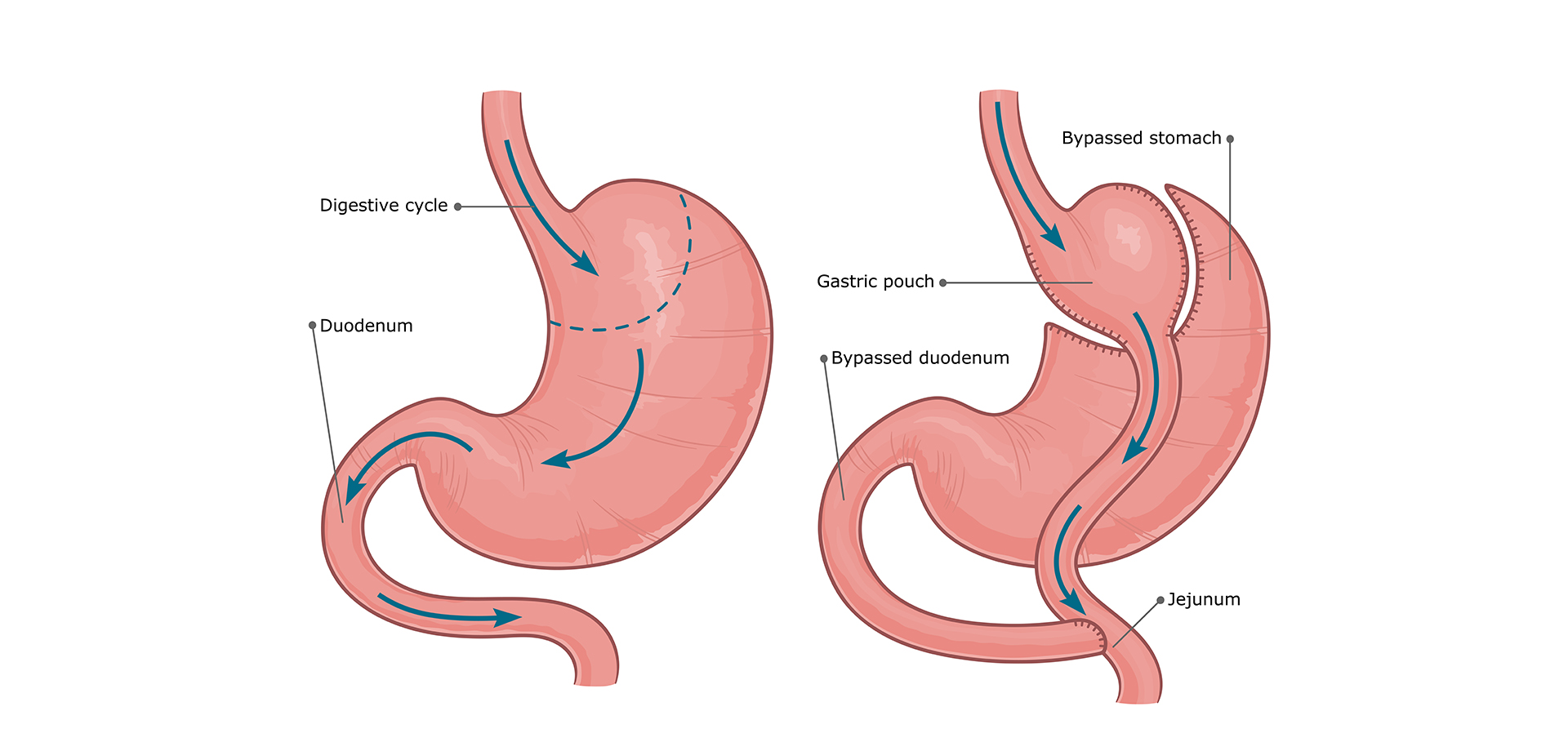
Gastric bypass surgery is a well-established bariatric and metabolic surgical procedure designed to treat severe obesity and obesity-related health conditions. It is one of the most effective surgical interventions for long-term weight loss and improvement of metabolic disorders such as type 2 diabetes, hypertension, and obstructive sleep apnea. In the UAE, where obesity and metabolic syndrome are highly prevalent, gastric bypass surgery plays an important role in comprehensive weight management.
The procedure involves creating a small stomach pouch and rerouting a portion of the small intestine to this pouch. This approach reduces the amount of food the stomach can hold and alters nutrient absorption, leading to significant and sustained weight loss. Gastric bypass also induces hormonal changes that help regulate appetite, blood sugar levels, and metabolism.
Gastric bypass surgery is indicated for patients with morbid obesity, typically defined as a body mass index (BMI) of 40 or higher, or a BMI of 35 or higher with obesity-related medical conditions. Candidates undergo thorough evaluation, including nutritional, psychological, and medical assessments, to ensure suitability for surgery and long-term success.
The procedure is most commonly performed using minimally invasive laparoscopic techniques. Small incisions and specialized instruments are used to perform the surgery safely and precisely. Laparoscopic gastric bypass offers benefits such as reduced postoperative pain, shorter hospital stays, and faster recovery compared to open surgery.
Gastric bypass surgery is performed under general anesthesia in a specialized bariatric surgical unit. The procedure requires meticulous technique to ensure secure connections between the stomach and intestine and to minimize complications. Experienced surgical teams and structured protocols are critical to achieving optimal outcomes.
Postoperative care includes gradual progression of diet, nutritional supplementation, and long-term lifestyle modification. Patients receive ongoing support from dietitians, physicians, and behavioral health professionals to maintain weight loss and prevent nutritional deficiencies.
Gastric bypass surgery leads to significant improvement or resolution of obesity-related conditions and enhances overall quality of life. When combined with lifelong follow-up and healthy lifestyle changes, it remains one of the most effective treatments for severe obesity and metabolic disease.
The procedure involves creating a small stomach pouch and rerouting a portion of the small intestine to this pouch. This approach reduces the amount of food the stomach can hold and alters nutrient absorption, leading to significant and sustained weight loss. Gastric bypass also induces hormonal changes that help regulate appetite, blood sugar levels, and metabolism.
Gastric bypass surgery is indicated for patients with morbid obesity, typically defined as a body mass index (BMI) of 40 or higher, or a BMI of 35 or higher with obesity-related medical conditions. Candidates undergo thorough evaluation, including nutritional, psychological, and medical assessments, to ensure suitability for surgery and long-term success.
The procedure is most commonly performed using minimally invasive laparoscopic techniques. Small incisions and specialized instruments are used to perform the surgery safely and precisely. Laparoscopic gastric bypass offers benefits such as reduced postoperative pain, shorter hospital stays, and faster recovery compared to open surgery.
Gastric bypass surgery is performed under general anesthesia in a specialized bariatric surgical unit. The procedure requires meticulous technique to ensure secure connections between the stomach and intestine and to minimize complications. Experienced surgical teams and structured protocols are critical to achieving optimal outcomes.
Postoperative care includes gradual progression of diet, nutritional supplementation, and long-term lifestyle modification. Patients receive ongoing support from dietitians, physicians, and behavioral health professionals to maintain weight loss and prevent nutritional deficiencies.
Gastric bypass surgery leads to significant improvement or resolution of obesity-related conditions and enhances overall quality of life. When combined with lifelong follow-up and healthy lifestyle changes, it remains one of the most effective treatments for severe obesity and metabolic disease.
Quick Contact
If you have any questions simply use the following contact details.

Working Hours
-
Out-patient Department
Monday to Saturday 08:00 AM - 09:00 PM
Sunday 10:00 AM - 06:00 PM
-
Emergency Department & Pharmacy
Sunday to Saturday 24x7



Book Appointments, Inquire, or Manage Your Care Easily – Get in Touch via
 04 406 3000
  04 406 3000
Quick Links
Legal
Working Hours
-
Out-patient Department
Monday to Saturday | 8 AM to 9 PM
Sunday | 10 AM to 6 PM
Emergency Department & Pharmacy | 24x7
Connect with us!




©2026 IMH. All Rights Reserved. Ministry of Health License No : TEBMJIU0-060622