

Esophageal Surgery
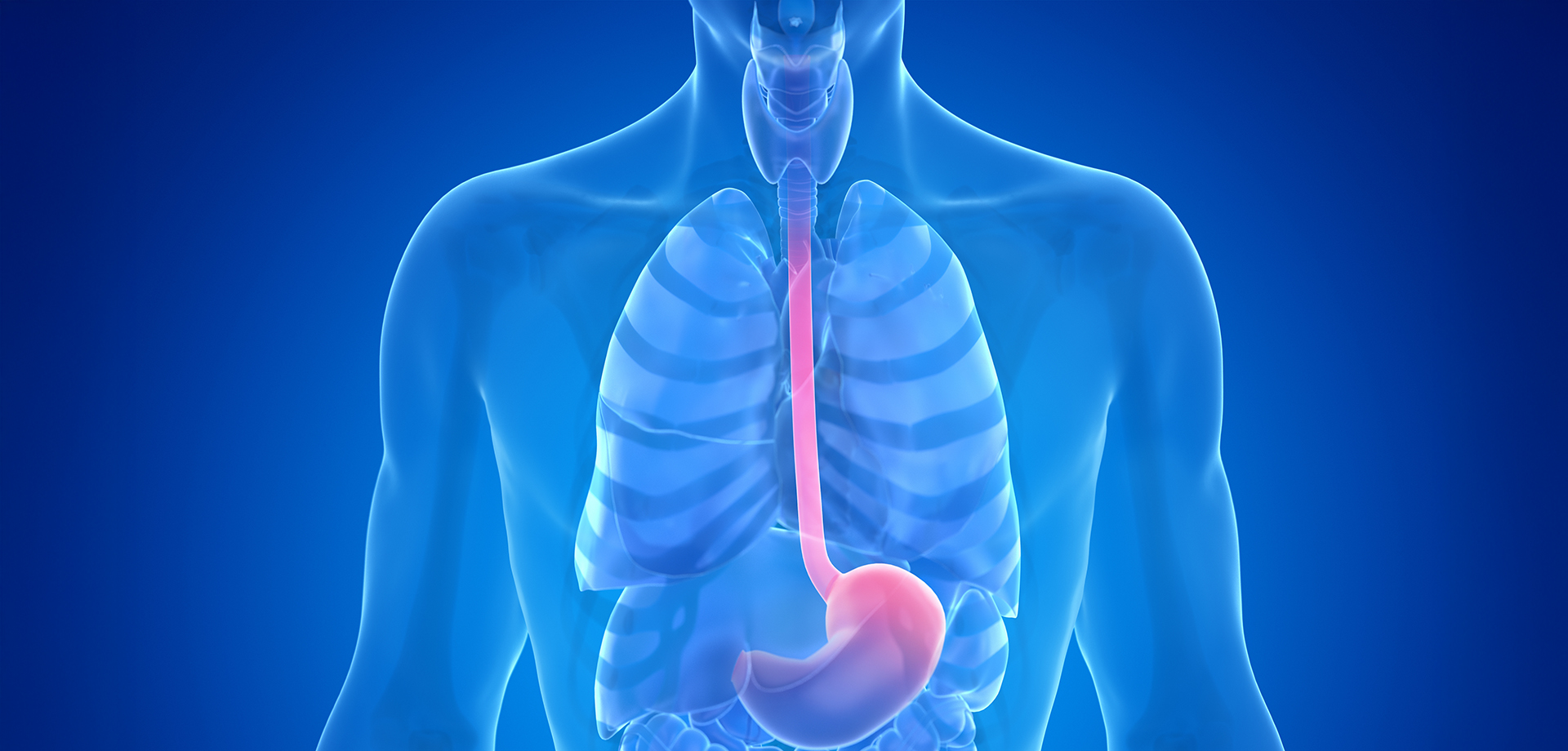
Esophageal surgery encompasses a group of surgical procedures performed to treat diseases affecting the esophagus, the muscular tube that transports food and liquids from the mouth to the stomach. Disorders of the esophagus can significantly impair swallowing, nutrition, and quality of life, and in some cases may be life-threatening. Esophageal surgery is often complex and requires careful evaluation, precise surgical planning, and specialized postoperative care.
Conditions requiring esophageal surgery include esophageal cancer, severe gastroesophageal reflux disease with complications, esophageal strictures, achalasia, perforations, diverticula, and advanced motility disorders. Patients may present with symptoms such as difficulty swallowing (dysphagia), chest pain, regurgitation, chronic reflux, weight loss, or recurrent aspiration. Early identification and timely surgical intervention are critical to prevent progression and complications.
The type of esophageal surgery performed depends on the underlying condition and disease extent. Procedures may range from localized repair or reconstruction to partial or total removal of the esophagus (esophagectomy) in cancer cases. In benign conditions, surgery may aim to restore normal swallowing function, relieve obstruction, or correct anatomical defects while preserving as much of the native esophagus as possible.
Advances in surgical techniques have significantly improved outcomes in esophageal surgery. Minimally invasive approaches, including laparoscopic and thoracoscopic techniques, are increasingly used to reduce surgical trauma, postoperative pain, and recovery time. These approaches allow enhanced visualization of the operative field while minimizing incision size. Open surgery may still be required in advanced disease or complex anatomical situations.
Esophageal surgery is performed under general anesthesia in a highly specialized operating environment. Preoperative evaluation includes endoscopy, imaging studies, manometry, and nutritional assessment to ensure optimal patient preparation. Multidisciplinary collaboration with gastroenterology, oncology, anesthesia, and nutrition teams is essential for comprehensive care.
Postoperative management focuses on pain control, respiratory care, nutritional support, and gradual reintroduction of oral intake. Patients may initially receive nutrition through feeding tubes while the esophagus heals. Careful monitoring is essential to detect complications such as leaks, infections, or swallowing difficulties.
Esophageal surgery can significantly improve survival and quality of life when performed in appropriately selected patients. With modern surgical techniques, careful perioperative management, and structured follow-up, patients achieve good functional outcomes and long-term disease control.
Conditions requiring esophageal surgery include esophageal cancer, severe gastroesophageal reflux disease with complications, esophageal strictures, achalasia, perforations, diverticula, and advanced motility disorders. Patients may present with symptoms such as difficulty swallowing (dysphagia), chest pain, regurgitation, chronic reflux, weight loss, or recurrent aspiration. Early identification and timely surgical intervention are critical to prevent progression and complications.
The type of esophageal surgery performed depends on the underlying condition and disease extent. Procedures may range from localized repair or reconstruction to partial or total removal of the esophagus (esophagectomy) in cancer cases. In benign conditions, surgery may aim to restore normal swallowing function, relieve obstruction, or correct anatomical defects while preserving as much of the native esophagus as possible.
Advances in surgical techniques have significantly improved outcomes in esophageal surgery. Minimally invasive approaches, including laparoscopic and thoracoscopic techniques, are increasingly used to reduce surgical trauma, postoperative pain, and recovery time. These approaches allow enhanced visualization of the operative field while minimizing incision size. Open surgery may still be required in advanced disease or complex anatomical situations.
Esophageal surgery is performed under general anesthesia in a highly specialized operating environment. Preoperative evaluation includes endoscopy, imaging studies, manometry, and nutritional assessment to ensure optimal patient preparation. Multidisciplinary collaboration with gastroenterology, oncology, anesthesia, and nutrition teams is essential for comprehensive care.
Postoperative management focuses on pain control, respiratory care, nutritional support, and gradual reintroduction of oral intake. Patients may initially receive nutrition through feeding tubes while the esophagus heals. Careful monitoring is essential to detect complications such as leaks, infections, or swallowing difficulties.
Esophageal surgery can significantly improve survival and quality of life when performed in appropriately selected patients. With modern surgical techniques, careful perioperative management, and structured follow-up, patients achieve good functional outcomes and long-term disease control.
Quick Contact
If you have any questions simply use the following contact details.

Working Hours
-
Out-patient Department
Monday to Saturday 08:00 AM - 09:00 PM
Sunday 10:00 AM - 06:00 PM
-
Emergency Department & Pharmacy
Sunday to Saturday 24x7



Book Appointments, Inquire, or Manage Your Care Easily – Get in Touch via
 04 406 3000
  04 406 3000
Quick Links
Legal
Working Hours
-
Out-patient Department
Monday to Saturday | 8 AM to 9 PM
Sunday | 10 AM to 6 PM
Emergency Department & Pharmacy | 24x7
Connect with us!




©2026 IMH. All Rights Reserved. Ministry of Health License No : TEBMJIU0-060622