

Colon Surgery (Colectomy)
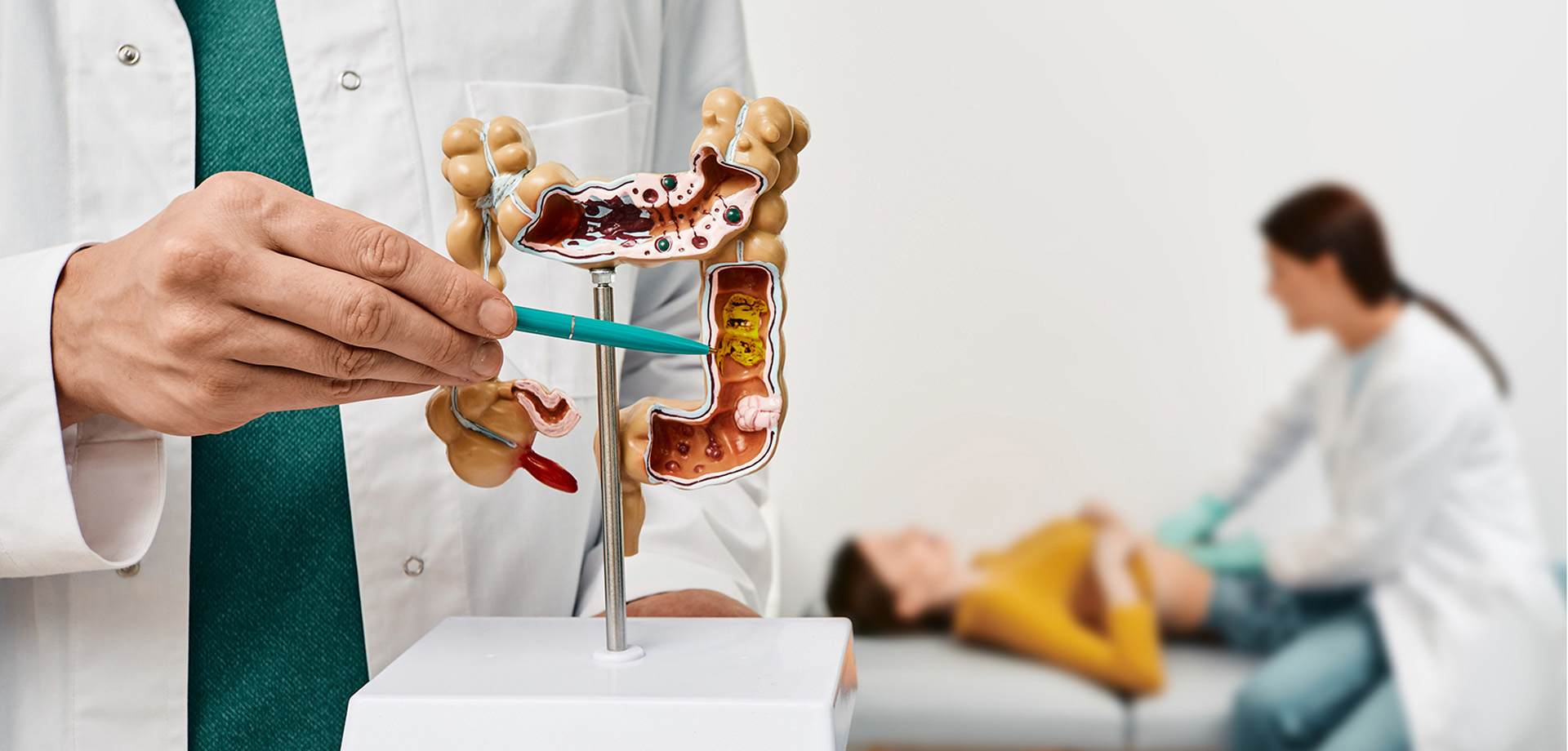
Colon surgery, medically referred to as colectomy, is a surgical procedure performed to remove part or all of the colon (large intestine). It is indicated in a variety of conditions affecting the colon, ranging from benign inflammatory diseases to life-threatening cancers. With increasing incidence of colorectal cancer and inflammatory bowel disease in the UAE, colectomy has become an important component of advanced surgical care.
Colectomy may be partial or total, depending on the location and extent of disease. A partial colectomy involves removal of a diseased segment of the colon, while a total colectomy removes the entire colon. The remaining healthy portions of the digestive tract are reconnected whenever possible to restore normal bowel continuity. In some cases, a temporary or permanent stoma may be required to divert bowel contents safely.
Colon surgery is indicated in conditions such as colon cancer, large or multiple polyps not amenable to endoscopic removal, inflammatory bowel disease (ulcerative colitis or Crohn’s disease), diverticular disease with complications, bowel obstruction, ischemic colitis, and traumatic injury. Early surgical intervention can be life-saving and significantly improves long-term outcomes.
Advances in surgical techniques have allowed many colectomies to be performed using minimally invasive laparoscopic or robotic-assisted approaches. These techniques offer reduced pain, shorter hospital stays, faster recovery, and improved cosmetic results compared to open surgery. Open colectomy remains necessary in complex cases, advanced cancers, or emergencies.
The procedure is performed under general anesthesia following thorough preoperative assessment, including colonoscopy, imaging studies, and laboratory tests. During surgery, meticulous attention is paid to oncological principles, blood supply, and preservation of surrounding organs. Lymph node removal may be performed in cancer cases to ensure accurate staging.
Postoperative care focuses on pain control, early mobilization, gradual reintroduction of diet, and monitoring bowel function. Patients are supported by a multidisciplinary team to manage recovery and prevent complications such as infection or leakage at the reconnection site.
Colon surgery plays a vital role in treating serious colonic diseases. When performed by experienced surgeons using modern techniques, colectomy offers excellent outcomes, restores digestive function, and significantly improves patient survival and quality of life.
Colectomy may be partial or total, depending on the location and extent of disease. A partial colectomy involves removal of a diseased segment of the colon, while a total colectomy removes the entire colon. The remaining healthy portions of the digestive tract are reconnected whenever possible to restore normal bowel continuity. In some cases, a temporary or permanent stoma may be required to divert bowel contents safely.
Colon surgery is indicated in conditions such as colon cancer, large or multiple polyps not amenable to endoscopic removal, inflammatory bowel disease (ulcerative colitis or Crohn’s disease), diverticular disease with complications, bowel obstruction, ischemic colitis, and traumatic injury. Early surgical intervention can be life-saving and significantly improves long-term outcomes.
Advances in surgical techniques have allowed many colectomies to be performed using minimally invasive laparoscopic or robotic-assisted approaches. These techniques offer reduced pain, shorter hospital stays, faster recovery, and improved cosmetic results compared to open surgery. Open colectomy remains necessary in complex cases, advanced cancers, or emergencies.
The procedure is performed under general anesthesia following thorough preoperative assessment, including colonoscopy, imaging studies, and laboratory tests. During surgery, meticulous attention is paid to oncological principles, blood supply, and preservation of surrounding organs. Lymph node removal may be performed in cancer cases to ensure accurate staging.
Postoperative care focuses on pain control, early mobilization, gradual reintroduction of diet, and monitoring bowel function. Patients are supported by a multidisciplinary team to manage recovery and prevent complications such as infection or leakage at the reconnection site.
Colon surgery plays a vital role in treating serious colonic diseases. When performed by experienced surgeons using modern techniques, colectomy offers excellent outcomes, restores digestive function, and significantly improves patient survival and quality of life.
Quick Contact
If you have any questions simply use the following contact details.

Working Hours
-
Out-patient Department
Monday to Saturday 08:00 AM - 09:00 PM
Sunday 10:00 AM - 06:00 PM
-
Emergency Department & Pharmacy
Sunday to Saturday 24x7


Book Appointments, Inquire, or Manage Your Care Easily – Get in Touch via
 04 406 3000
  04 406 3000
Quick Links
Legal
Working Hours
-
Out-patient Department
Monday to Saturday | 8 AM to 9 PM
Sunday | 10 AM to 6 PM
Emergency Department & Pharmacy | 24x7
Connect with us!




©2026 IMH. All Rights Reserved. Ministry of Health License No : TEBMJIU0-060622