

Circumcision
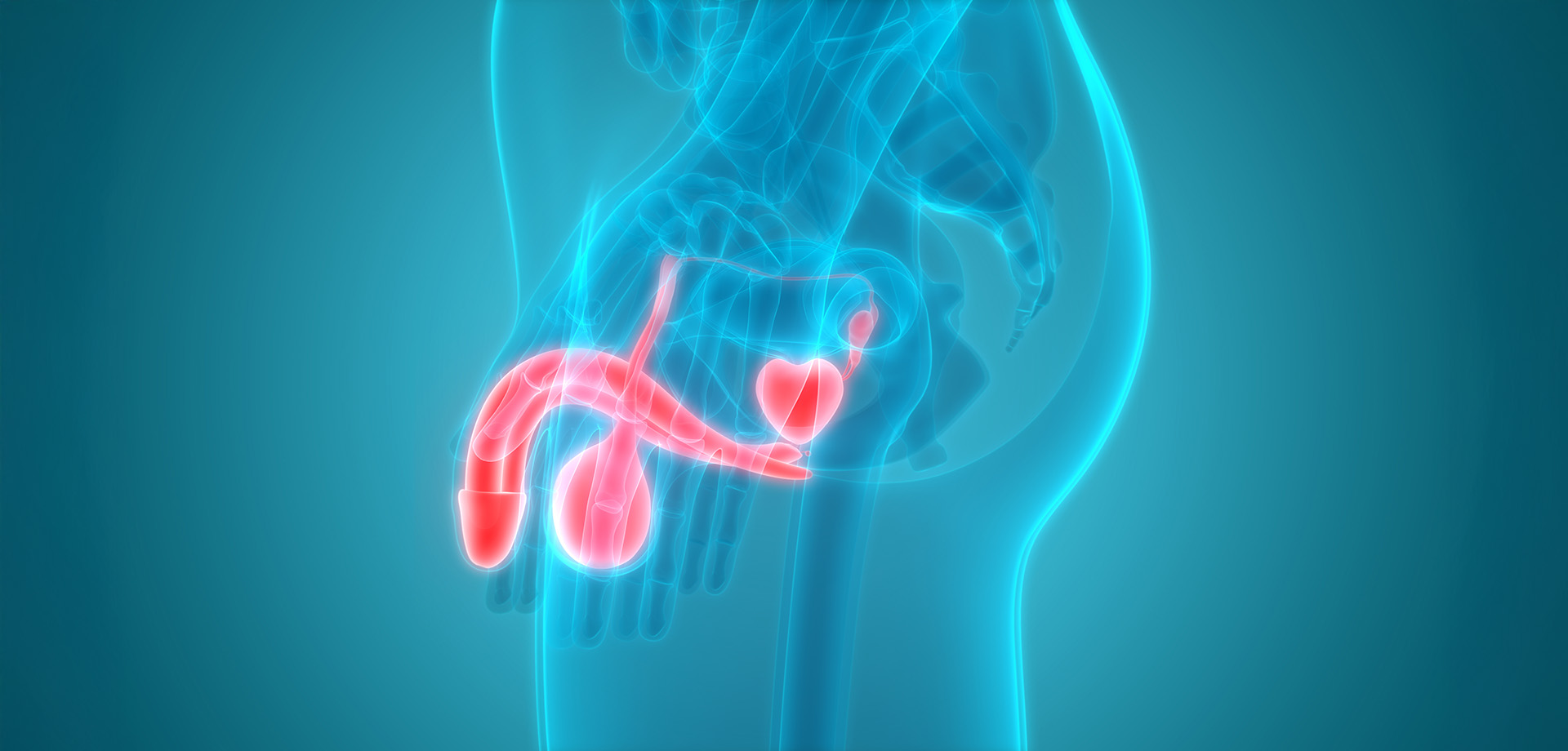
Circumcision is a surgical procedure involving the removal of the foreskin (prepuce) that covers the head of the penis. It is one of the most commonly performed surgical procedures worldwide and may be carried out for medical, preventive, cultural, or religious reasons. From a medical perspective, circumcision plays an important role in managing certain urological conditions and improving genital hygiene and long-term health outcomes.
Medically indicated circumcision is performed to treat conditions such as phimosis (inability to retract the foreskin), paraphimosis (trapped retracted foreskin), recurrent balanitis or balanoposthitis (inflammation or infection of the glans and foreskin), recurrent urinary tract infections, and foreskin scarring. In some cases, circumcision is recommended to reduce the risk of complications or to improve urinary and sexual health.
Circumcision may be performed in infants, children, adolescents, or adults, with the surgical approach tailored to the patient’s age and indication. In adults, the procedure is commonly recommended when conservative treatments fail or when chronic foreskin problems interfere with hygiene, comfort, or sexual activity. Proper evaluation ensures that circumcision is appropriate and beneficial for the individual patient.
The procedure is performed under local or general anesthesia, depending on age, clinical indication, and patient preference. Surgical techniques aim to remove the foreskin safely while preserving normal penile structure and function. Modern circumcision methods focus on precision, minimal tissue trauma, and optimal cosmetic outcomes. The procedure is typically short and performed as a day-care surgery.
Following circumcision, patients are given detailed postoperative care instructions to promote healing and prevent infection. Mild swelling or discomfort is expected initially and resolves within a short period. Pain is usually minimal and well controlled with medication. Most patients return to normal daily activities within a few days, although sexual activity is temporarily restricted in adult patients to allow complete healing.
Circumcision has also been associated with reduced risk of certain infections, including urinary tract infections and some sexually transmitted infections, when performed under appropriate medical guidance. While these benefits are supplementary, the primary indication remains treatment or prevention of specific medical conditions.
Circumcision is a safe and effective procedure when performed by trained surgeons in a controlled medical environment. With proper patient selection, surgical technique, and postoperative care, it provides lasting benefits, symptom relief, and improved quality of life.
Medically indicated circumcision is performed to treat conditions such as phimosis (inability to retract the foreskin), paraphimosis (trapped retracted foreskin), recurrent balanitis or balanoposthitis (inflammation or infection of the glans and foreskin), recurrent urinary tract infections, and foreskin scarring. In some cases, circumcision is recommended to reduce the risk of complications or to improve urinary and sexual health.
Circumcision may be performed in infants, children, adolescents, or adults, with the surgical approach tailored to the patient’s age and indication. In adults, the procedure is commonly recommended when conservative treatments fail or when chronic foreskin problems interfere with hygiene, comfort, or sexual activity. Proper evaluation ensures that circumcision is appropriate and beneficial for the individual patient.
The procedure is performed under local or general anesthesia, depending on age, clinical indication, and patient preference. Surgical techniques aim to remove the foreskin safely while preserving normal penile structure and function. Modern circumcision methods focus on precision, minimal tissue trauma, and optimal cosmetic outcomes. The procedure is typically short and performed as a day-care surgery.
Following circumcision, patients are given detailed postoperative care instructions to promote healing and prevent infection. Mild swelling or discomfort is expected initially and resolves within a short period. Pain is usually minimal and well controlled with medication. Most patients return to normal daily activities within a few days, although sexual activity is temporarily restricted in adult patients to allow complete healing.
Circumcision has also been associated with reduced risk of certain infections, including urinary tract infections and some sexually transmitted infections, when performed under appropriate medical guidance. While these benefits are supplementary, the primary indication remains treatment or prevention of specific medical conditions.
Circumcision is a safe and effective procedure when performed by trained surgeons in a controlled medical environment. With proper patient selection, surgical technique, and postoperative care, it provides lasting benefits, symptom relief, and improved quality of life.
Quick Contact
If you have any questions simply use the following contact details.

Working Hours
-
Out-patient Department
Monday to Saturday 08:00 AM - 09:00 PM
Sunday 10:00 AM - 06:00 PM
-
Emergency Department & Pharmacy
Sunday to Saturday 24x7



Book Appointments, Inquire, or Manage Your Care Easily – Get in Touch via
 04 406 3000
  04 406 3000
Quick Links
Legal
Working Hours
-
Out-patient Department
Monday to Saturday | 8 AM to 9 PM
Sunday | 10 AM to 6 PM
Emergency Department & Pharmacy | 24x7
Connect with us!




©2026 IMH. All Rights Reserved. Ministry of Health License No : TEBMJIU0-060622