

Cholecystectomy (Gallbladder Removal)
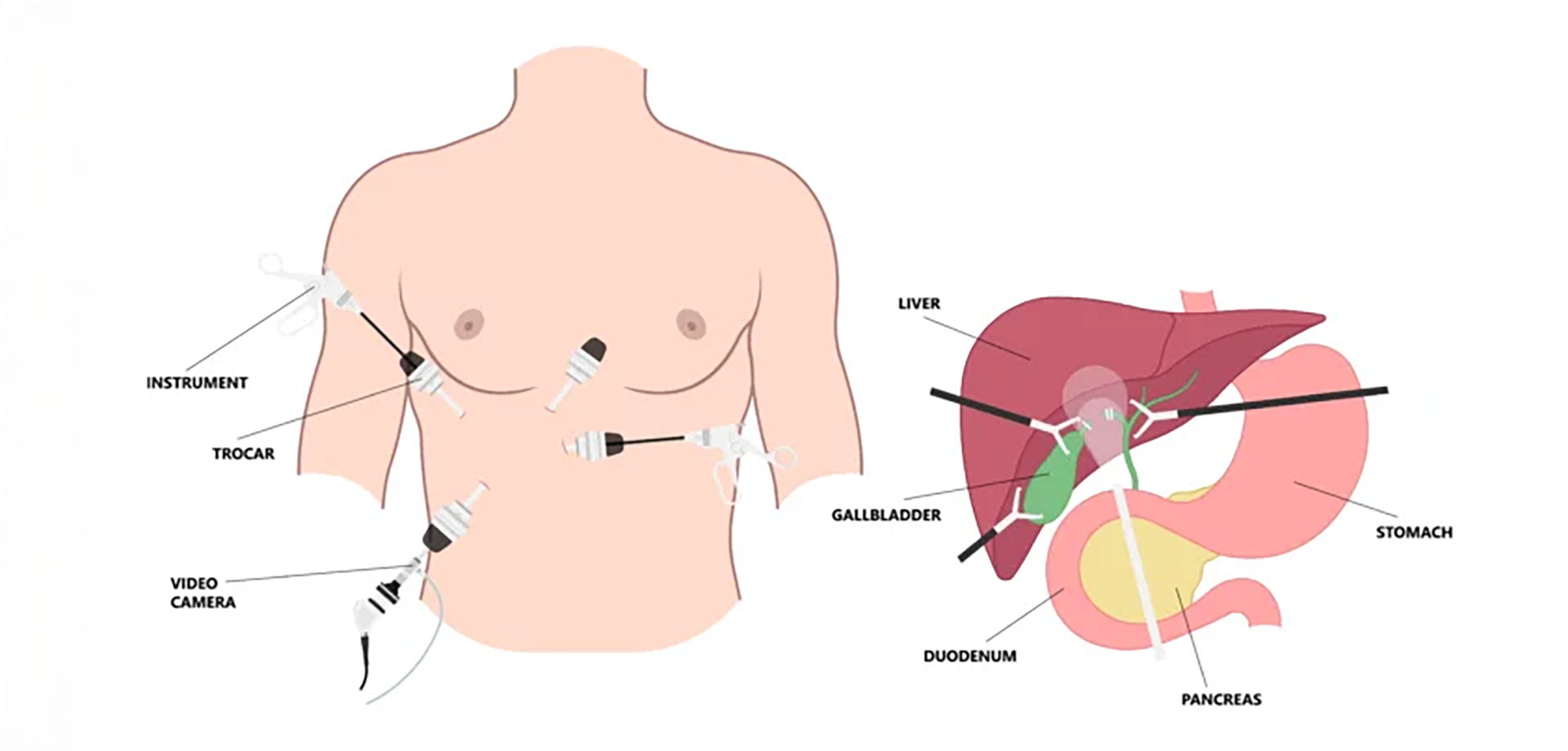
Cholecystectomy is a well-established surgical procedure performed to remove the gallbladder, a small organ located beneath the liver that stores bile used in digestion. Gallbladder disease is common in the UAE, particularly due to dietary habits, obesity, metabolic disorders, and rapid weight fluctuations. When gallstones or gallbladder dysfunction cause recurrent pain or complications, surgical removal of the gallbladder offers definitive treatment and long-term relief.
The gallbladder can develop stones (cholelithiasis) when bile components crystallize, leading to blockage, inflammation, or infection. While some gallstones remain asymptomatic, many patients experience episodes of upper abdominal pain, nausea, vomiting, bloating, or intolerance to fatty foods. In more severe cases, gallstones may cause acute cholecystitis, bile duct obstruction, pancreatitis, or jaundice, making surgery medically necessary.
Cholecystectomy is indicated in patients with symptomatic gallstones, recurrent gallbladder attacks, acute or chronic cholecystitis, gallbladder polyps, or complications related to bile duct obstruction. Careful preoperative assessment includes clinical evaluation, blood tests, and imaging studies such as ultrasound or MRCP to confirm diagnosis and plan treatment.
The procedure is most commonly performed using a minimally invasive laparoscopic approach. Small incisions are made in the abdomen, and specialized instruments along with a camera are used to safely remove the gallbladder. Laparoscopic cholecystectomy offers significant advantages over open surgery, including reduced postoperative pain, shorter hospital stay, quicker recovery, and minimal scarring. In selected cases with complex anatomy or complications, an open approach may be required for patient safety.
Cholecystectomy is performed under general anesthesia in a controlled surgical environment. Throughout the procedure, careful attention is given to protecting surrounding structures such as the bile ducts and liver. Advanced imaging and surgical techniques enhance precision and reduce complication rates.
Following surgery, most patients are able to resume oral intake within a short period and are discharged within one to two days, often sooner with laparoscopic surgery. The body adapts well to the absence of the gallbladder, and digestion continues normally for most individuals, although temporary dietary adjustments may be advised.
Cholecystectomy provides definitive relief from gallbladder-related symptoms and prevents future complications. When performed in appropriately selected patients, it is a safe, effective procedure that significantly improves quality of life and digestive comfort.
The gallbladder can develop stones (cholelithiasis) when bile components crystallize, leading to blockage, inflammation, or infection. While some gallstones remain asymptomatic, many patients experience episodes of upper abdominal pain, nausea, vomiting, bloating, or intolerance to fatty foods. In more severe cases, gallstones may cause acute cholecystitis, bile duct obstruction, pancreatitis, or jaundice, making surgery medically necessary.
Cholecystectomy is indicated in patients with symptomatic gallstones, recurrent gallbladder attacks, acute or chronic cholecystitis, gallbladder polyps, or complications related to bile duct obstruction. Careful preoperative assessment includes clinical evaluation, blood tests, and imaging studies such as ultrasound or MRCP to confirm diagnosis and plan treatment.
The procedure is most commonly performed using a minimally invasive laparoscopic approach. Small incisions are made in the abdomen, and specialized instruments along with a camera are used to safely remove the gallbladder. Laparoscopic cholecystectomy offers significant advantages over open surgery, including reduced postoperative pain, shorter hospital stay, quicker recovery, and minimal scarring. In selected cases with complex anatomy or complications, an open approach may be required for patient safety.
Cholecystectomy is performed under general anesthesia in a controlled surgical environment. Throughout the procedure, careful attention is given to protecting surrounding structures such as the bile ducts and liver. Advanced imaging and surgical techniques enhance precision and reduce complication rates.
Following surgery, most patients are able to resume oral intake within a short period and are discharged within one to two days, often sooner with laparoscopic surgery. The body adapts well to the absence of the gallbladder, and digestion continues normally for most individuals, although temporary dietary adjustments may be advised.
Cholecystectomy provides definitive relief from gallbladder-related symptoms and prevents future complications. When performed in appropriately selected patients, it is a safe, effective procedure that significantly improves quality of life and digestive comfort.
Quick Contact
If you have any questions simply use the following contact details.

Working Hours
-
Out-patient Department
Monday to Saturday 08:00 AM - 09:00 PM
Sunday 10:00 AM - 06:00 PM
-
Emergency Department & Pharmacy
Sunday to Saturday 24x7



Book Appointments, Inquire, or Manage Your Care Easily – Get in Touch via
 04 406 3000
  04 406 3000
Quick Links
Legal
Working Hours
-
Out-patient Department
Monday to Saturday | 8 AM to 9 PM
Sunday | 10 AM to 6 PM
Emergency Department & Pharmacy | 24x7
Connect with us!




©2026 IMH. All Rights Reserved. Ministry of Health License No : TEBMJIU0-060622