

Breast Surgery / Lump Removal
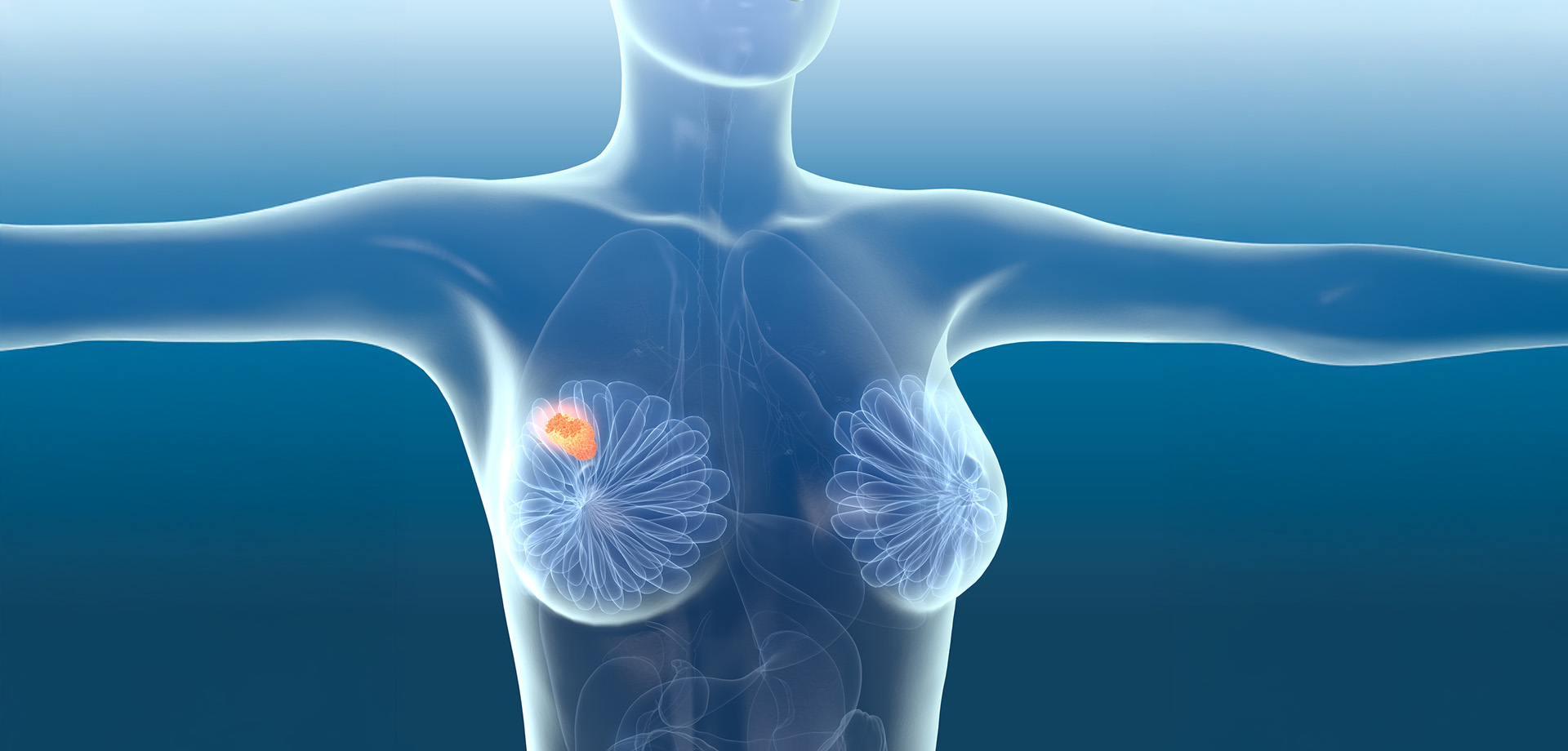
Breast surgery, including breast lump removal, is a commonly performed surgical procedure used to diagnose and treat both benign and malignant breast conditions. Breast lumps are a frequent clinical finding and can arise due to a variety of causes, including benign growths such as fibroadenomas and cysts, infections, hormonal changes, or breast cancer. Early evaluation and appropriate surgical management are essential for accurate diagnosis and optimal outcomes.
Breast lump removal is performed both for diagnostic and therapeutic purposes. In many cases, imaging studies such as ultrasound, mammography, or MRI may suggest the nature of a breast lump, but definitive diagnosis often requires surgical excision and histopathological examination. Removing the lump allows confirmation of whether the lesion is benign or malignant and guides further treatment planning if required.
Breast surgery is indicated in patients with suspicious or enlarging breast lumps, symptomatic benign lesions causing pain or discomfort, recurrent cysts, abnormal biopsy findings, or confirmed breast cancer. Surgical planning is individualized based on the size, location, and characteristics of the lump, as well as patient factors such as age, breast size, and cosmetic considerations.
The procedure is typically performed under general anesthesia, although smaller lumps may occasionally be removed under local anesthesia with sedation. Surgeons aim to remove the lump completely while preserving surrounding healthy breast tissue. Modern surgical techniques focus on achieving both medical effectiveness and optimal cosmetic outcomes, with incisions placed discreetly whenever possible.
Depending on the diagnosis, breast surgery may range from simple lump excision (lumpectomy) to more extensive procedures as part of breast cancer management. Sentinel lymph node biopsy or additional treatments may be recommended based on pathology results. Multidisciplinary coordination with radiology, pathology, oncology, and reconstructive services ensures comprehensive care.
Following surgery, patients are monitored for pain, infection, and wound healing. Most individuals undergoing lump removal can return home the same day or after a short hospital stay. Recovery is usually quick, and normal activities can often be resumed within a few days, depending on the extent of surgery.
Breast surgery plays a vital role in early cancer detection and treatment, as well as in relieving symptoms caused by benign breast conditions. When performed in a timely and carefully planned manner, breast lump removal provides diagnostic clarity, peace of mind, and effective treatment while preserving breast appearance and function.
Breast lump removal is performed both for diagnostic and therapeutic purposes. In many cases, imaging studies such as ultrasound, mammography, or MRI may suggest the nature of a breast lump, but definitive diagnosis often requires surgical excision and histopathological examination. Removing the lump allows confirmation of whether the lesion is benign or malignant and guides further treatment planning if required.
Breast surgery is indicated in patients with suspicious or enlarging breast lumps, symptomatic benign lesions causing pain or discomfort, recurrent cysts, abnormal biopsy findings, or confirmed breast cancer. Surgical planning is individualized based on the size, location, and characteristics of the lump, as well as patient factors such as age, breast size, and cosmetic considerations.
The procedure is typically performed under general anesthesia, although smaller lumps may occasionally be removed under local anesthesia with sedation. Surgeons aim to remove the lump completely while preserving surrounding healthy breast tissue. Modern surgical techniques focus on achieving both medical effectiveness and optimal cosmetic outcomes, with incisions placed discreetly whenever possible.
Depending on the diagnosis, breast surgery may range from simple lump excision (lumpectomy) to more extensive procedures as part of breast cancer management. Sentinel lymph node biopsy or additional treatments may be recommended based on pathology results. Multidisciplinary coordination with radiology, pathology, oncology, and reconstructive services ensures comprehensive care.
Following surgery, patients are monitored for pain, infection, and wound healing. Most individuals undergoing lump removal can return home the same day or after a short hospital stay. Recovery is usually quick, and normal activities can often be resumed within a few days, depending on the extent of surgery.
Breast surgery plays a vital role in early cancer detection and treatment, as well as in relieving symptoms caused by benign breast conditions. When performed in a timely and carefully planned manner, breast lump removal provides diagnostic clarity, peace of mind, and effective treatment while preserving breast appearance and function.
Quick Contact
If you have any questions simply use the following contact details.

Working Hours
-
Out-patient Department
Monday to Saturday 08:00 AM - 09:00 PM
Sunday 10:00 AM - 06:00 PM
-
Emergency Department & Pharmacy
Sunday to Saturday 24x7


Book Appointments, Inquire, or Manage Your Care Easily – Get in Touch via
 04 406 3000
  04 406 3000
Quick Links
Legal
Working Hours
-
Out-patient Department
Monday to Saturday | 8 AM to 9 PM
Sunday | 10 AM to 6 PM
Emergency Department & Pharmacy | 24x7
Connect with us!




©2026 IMH. All Rights Reserved. Ministry of Health License No : TEBMJIU0-060622