

Anal Fissure Surgery
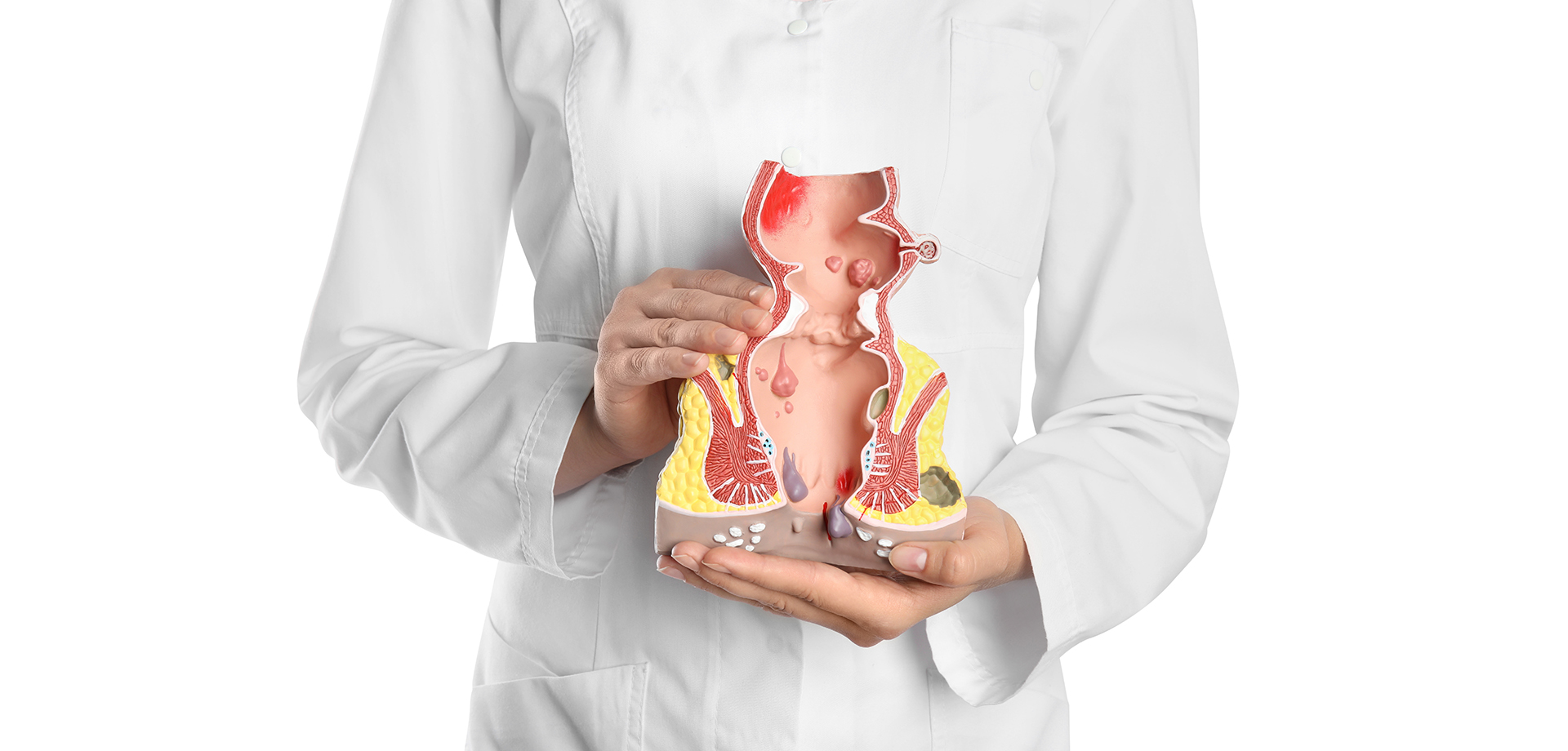
Anal fissure surgery is performed to treat chronic anal fissures—small but painful tears in the lining of the anal canal that fail to heal with conservative treatment. Anal fissures are a common condition that can cause severe pain during bowel movements, bleeding, and muscle spasm, significantly impacting daily activities and quality of life.
Acute anal fissures often heal with dietary changes, medications, and topical treatments. However, chronic fissures persist due to ongoing spasm of the anal sphincter muscle, reduced blood supply, and repeated trauma during bowel movements. When medical therapy fails, surgical intervention becomes the most effective solution.
Anal fissure surgery is indicated in patients with chronic fissures lasting more than six to eight weeks, persistent pain, recurrent bleeding, or failure of non-surgical management. Careful evaluation is essential to confirm diagnosis and rule out other anorectal conditions such as hemorrhoids, fistulas, or inflammatory bowel disease.
The most common surgical procedure for anal fissure is lateral internal sphincterotomy. This procedure involves making a small controlled incision in the internal anal sphincter muscle to relieve spasm, improve blood flow, and allow the fissure to heal. The procedure directly addresses the underlying cause of chronic fissures rather than just relieving symptoms.
Anal fissure surgery is typically performed under local, regional, or general anesthesia, depending on patient preference and clinical factors. It is a minimally invasive procedure with a high success rate and is often performed as a day-care surgery. The incision is small, and the procedure is completed in a short time.
Postoperative recovery is usually rapid. Pain relief is often immediate or occurs within a few days. Patients are advised on dietary modifications, hydration, and stool softeners to promote healing and prevent recurrence. Most individuals can return to normal activities within a short period.
Anal fissure surgery offers definitive relief from chronic pain and bleeding. When performed by experienced surgeons with proper patient selection, it provides excellent long-term outcomes with minimal risk of complications, significantly improving comfort and quality of life.
Acute anal fissures often heal with dietary changes, medications, and topical treatments. However, chronic fissures persist due to ongoing spasm of the anal sphincter muscle, reduced blood supply, and repeated trauma during bowel movements. When medical therapy fails, surgical intervention becomes the most effective solution.
Anal fissure surgery is indicated in patients with chronic fissures lasting more than six to eight weeks, persistent pain, recurrent bleeding, or failure of non-surgical management. Careful evaluation is essential to confirm diagnosis and rule out other anorectal conditions such as hemorrhoids, fistulas, or inflammatory bowel disease.
The most common surgical procedure for anal fissure is lateral internal sphincterotomy. This procedure involves making a small controlled incision in the internal anal sphincter muscle to relieve spasm, improve blood flow, and allow the fissure to heal. The procedure directly addresses the underlying cause of chronic fissures rather than just relieving symptoms.
Anal fissure surgery is typically performed under local, regional, or general anesthesia, depending on patient preference and clinical factors. It is a minimally invasive procedure with a high success rate and is often performed as a day-care surgery. The incision is small, and the procedure is completed in a short time.
Postoperative recovery is usually rapid. Pain relief is often immediate or occurs within a few days. Patients are advised on dietary modifications, hydration, and stool softeners to promote healing and prevent recurrence. Most individuals can return to normal activities within a short period.
Anal fissure surgery offers definitive relief from chronic pain and bleeding. When performed by experienced surgeons with proper patient selection, it provides excellent long-term outcomes with minimal risk of complications, significantly improving comfort and quality of life.
Quick Contact
If you have any questions simply use the following contact details.

Working Hours
-
Out-patient Department
Monday to Saturday 08:00 AM - 09:00 PM
Sunday 10:00 AM - 06:00 PM
-
Emergency Department & Pharmacy
Sunday to Saturday 24x7



Book Appointments, Inquire, or Manage Your Care Easily – Get in Touch via
 04 406 3000
  04 406 3000
Quick Links
Legal
Working Hours
-
Out-patient Department
Monday to Saturday | 8 AM to 9 PM
Sunday | 10 AM to 6 PM
Emergency Department & Pharmacy | 24x7
Connect with us!




©2026 IMH. All Rights Reserved. Ministry of Health License No : TEBMJIU0-060622