

General Anesthesia
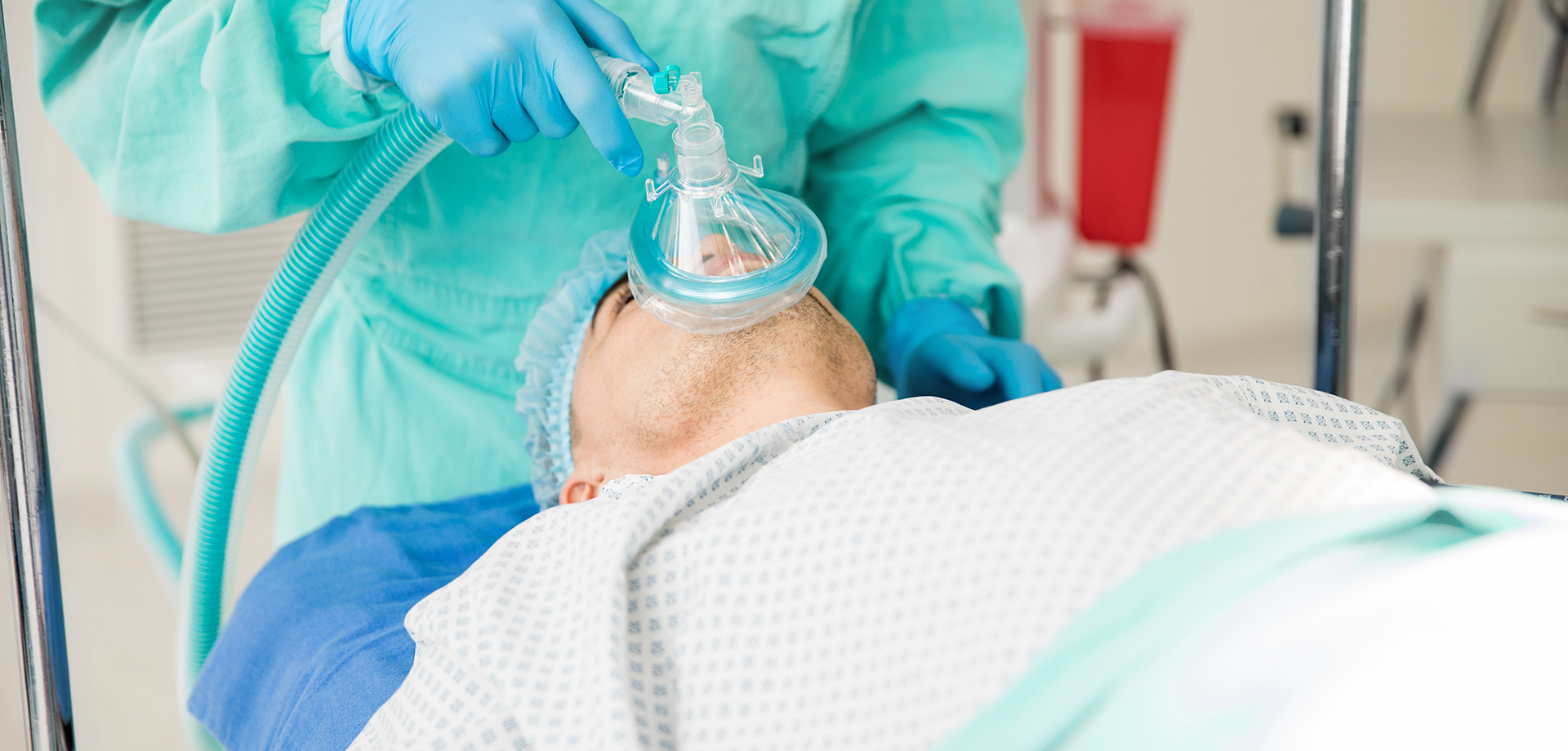
General anesthesia is a medically induced state of controlled unconsciousness accompanied by loss of protective reflexes, analgesia, amnesia, and muscle relaxation. It is a cornerstone of modern surgical care and is used for procedures where complete immobility, absence of pain, and airway control are required. General anesthesia allows complex and prolonged surgical interventions to be performed safely while maintaining physiological stability through continuous monitoring and anesthetic control.
The administration of general anesthesia involves a carefully coordinated process that begins with pre-anesthetic evaluation. This assessment reviews the patient’s medical history, current medications, allergies, previous anesthetic exposure, airway anatomy, and existing medical conditions. Risk stratification is essential to tailor anesthetic technique, drug selection, and monitoring to individual patient needs, thereby minimizing perioperative complications.
Induction of general anesthesia is typically achieved using intravenous agents, inhalational agents, or a combination of both. These medications rapidly induce unconsciousness while suppressing pain perception and reflex responses. Once the patient is anesthetized, airway management is established using devices such as endotracheal tubes or supraglottic airways to ensure adequate oxygenation and ventilation. Muscle relaxants may be administered to facilitate surgical access and optimize operative conditions.
Maintenance of general anesthesia involves the continuous delivery of anesthetic agents to sustain the desired depth of unconsciousness throughout the procedure. Advanced monitoring systems track vital parameters including heart rate, blood pressure, oxygen saturation, carbon dioxide levels, and anesthetic depth. This allows the anesthesiologist to make real-time adjustments to maintain hemodynamic stability and ensure patient safety.
General anesthesia is commonly used in major abdominal surgeries, orthopedic procedures, neurosurgery, cardiothoracic surgery, and emergency operations. It is also indicated in cases where regional techniques are contraindicated or insufficient. Despite its broad applicability, general anesthesia requires meticulous planning due to its systemic effects on cardiovascular, respiratory, and neurological systems.
Post-anesthesia care is a critical phase during which patients are closely monitored as they regain consciousness. Recovery focuses on airway protection, pain control, nausea management, and early identification of complications. Most anesthetic effects are temporary, and patients typically recover fully with appropriate postoperative care.
General anesthesia has evolved significantly with advances in pharmacology, monitoring technology, and safety protocols. When administered by trained anesthesia professionals following standardized guidelines, it provides a safe and effective foundation for a wide range of surgical and diagnostic procedures.
The administration of general anesthesia involves a carefully coordinated process that begins with pre-anesthetic evaluation. This assessment reviews the patient’s medical history, current medications, allergies, previous anesthetic exposure, airway anatomy, and existing medical conditions. Risk stratification is essential to tailor anesthetic technique, drug selection, and monitoring to individual patient needs, thereby minimizing perioperative complications.
Induction of general anesthesia is typically achieved using intravenous agents, inhalational agents, or a combination of both. These medications rapidly induce unconsciousness while suppressing pain perception and reflex responses. Once the patient is anesthetized, airway management is established using devices such as endotracheal tubes or supraglottic airways to ensure adequate oxygenation and ventilation. Muscle relaxants may be administered to facilitate surgical access and optimize operative conditions.
Maintenance of general anesthesia involves the continuous delivery of anesthetic agents to sustain the desired depth of unconsciousness throughout the procedure. Advanced monitoring systems track vital parameters including heart rate, blood pressure, oxygen saturation, carbon dioxide levels, and anesthetic depth. This allows the anesthesiologist to make real-time adjustments to maintain hemodynamic stability and ensure patient safety.
General anesthesia is commonly used in major abdominal surgeries, orthopedic procedures, neurosurgery, cardiothoracic surgery, and emergency operations. It is also indicated in cases where regional techniques are contraindicated or insufficient. Despite its broad applicability, general anesthesia requires meticulous planning due to its systemic effects on cardiovascular, respiratory, and neurological systems.
Post-anesthesia care is a critical phase during which patients are closely monitored as they regain consciousness. Recovery focuses on airway protection, pain control, nausea management, and early identification of complications. Most anesthetic effects are temporary, and patients typically recover fully with appropriate postoperative care.
General anesthesia has evolved significantly with advances in pharmacology, monitoring technology, and safety protocols. When administered by trained anesthesia professionals following standardized guidelines, it provides a safe and effective foundation for a wide range of surgical and diagnostic procedures.
Quick Contact
If you have any questions simply use the following contact details.

Working Hours
-
Out-patient Department
Monday to Saturday 08:00 AM - 09:00 PM
Sunday 10:00 AM - 06:00 PM
-
Emergency Department & Pharmacy
Sunday to Saturday 24x7



Book Appointments, Inquire, or Manage Your Care Easily – Get in Touch via
 04 406 3000
  04 406 3000
Quick Links
Legal
Working Hours
-
Out-patient Department
Monday to Saturday | 8 AM to 9 PM
Sunday | 10 AM to 6 PM
Emergency Department & Pharmacy | 24x7
Connect with us!




©2026 IMH. All Rights Reserved. Ministry of Health License No : TEBMJIU0-060622