

Endoscopy
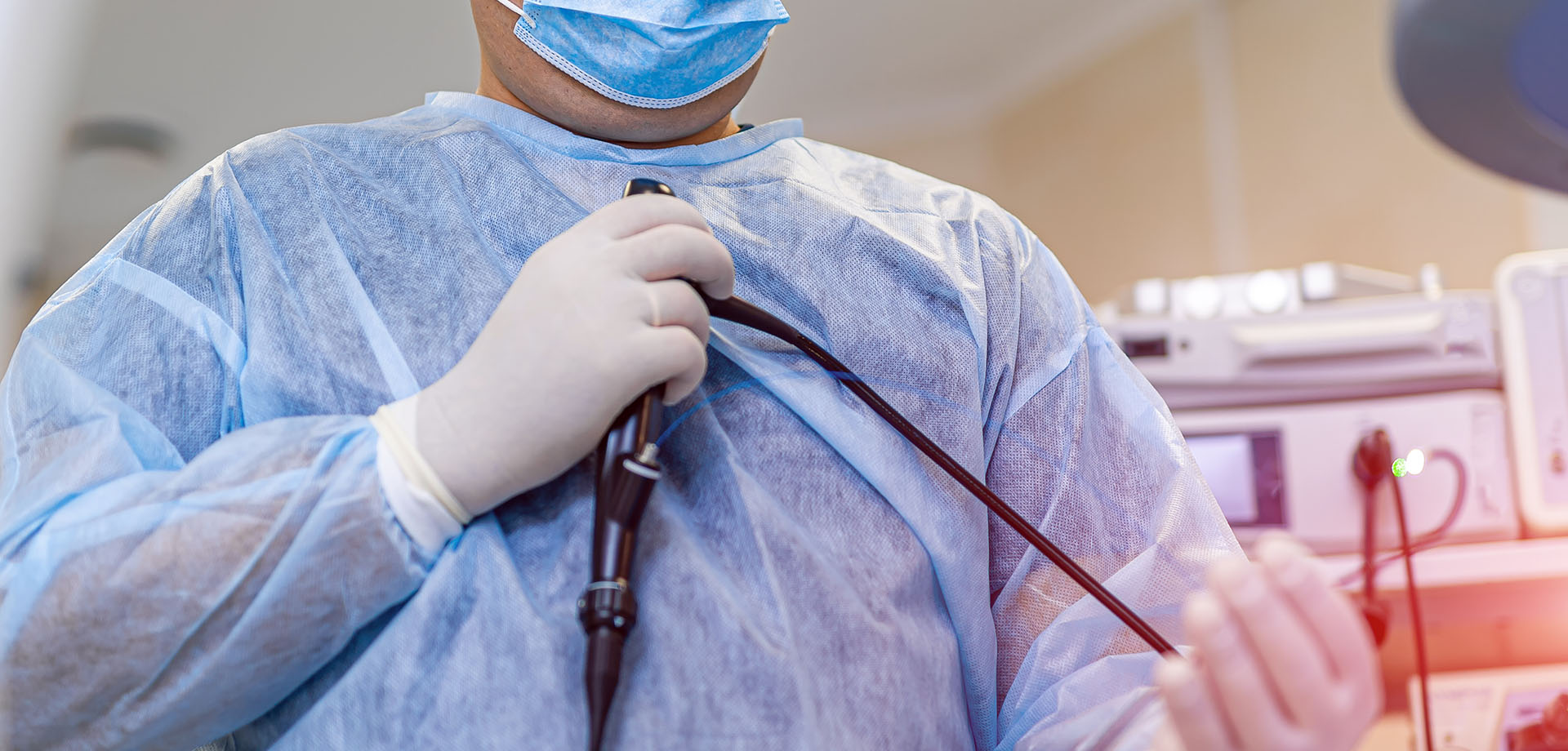
Endoscopy is a minimally invasive diagnostic and therapeutic procedure used to visualize the internal structures of the digestive tract and other hollow organs. It is a fundamental tool in modern medicine, allowing direct examination of tissues without the need for open surgery. Endoscopy plays a vital role in early diagnosis, disease monitoring, and treatment of a wide range of gastrointestinal and systemic conditions.
The procedure involves the use of an endoscope, a thin, flexible tube equipped with a high-resolution camera and light source. The endoscope is gently introduced through natural body openings such as the mouth or rectum, depending on the area being examined. Real-time images are transmitted to a monitor, enabling detailed assessment of mucosal surfaces and internal anatomy.
Endoscopy is indicated for evaluation of symptoms such as abdominal pain, difficulty swallowing, persistent heartburn, gastrointestinal bleeding, unexplained anemia, chronic diarrhea, or changes in bowel habits. It is also widely used for cancer screening, surveillance of chronic conditions, and investigation of abnormal imaging findings.
One of the key advantages of endoscopy is its ability to combine diagnosis and treatment in a single procedure. During endoscopy, tissue biopsies can be obtained for histological analysis, bleeding lesions can be treated, polyps can be removed, and strictures can be dilated. This reduces the need for additional procedures and accelerates patient care.
Endoscopic procedures are typically performed under sedation to ensure patient comfort and cooperation. The procedure duration varies depending on complexity but is usually short, and patients are monitored closely throughout. Advanced endoscopy units are equipped with state-of-the-art imaging and safety systems to enhance diagnostic accuracy and minimize risk.
Recovery following endoscopy is generally rapid. Most patients are discharged the same day and can resume normal activities shortly thereafter. Results are reviewed with the patient, and further management is planned based on findings and biopsy results.
Endoscopy has revolutionized the diagnosis and management of gastrointestinal diseases. Its minimally invasive nature, high diagnostic yield, and therapeutic capabilities make it an indispensable component of modern healthcare, supporting early intervention, improved outcomes, and patient-centered care.
The procedure involves the use of an endoscope, a thin, flexible tube equipped with a high-resolution camera and light source. The endoscope is gently introduced through natural body openings such as the mouth or rectum, depending on the area being examined. Real-time images are transmitted to a monitor, enabling detailed assessment of mucosal surfaces and internal anatomy.
Endoscopy is indicated for evaluation of symptoms such as abdominal pain, difficulty swallowing, persistent heartburn, gastrointestinal bleeding, unexplained anemia, chronic diarrhea, or changes in bowel habits. It is also widely used for cancer screening, surveillance of chronic conditions, and investigation of abnormal imaging findings.
One of the key advantages of endoscopy is its ability to combine diagnosis and treatment in a single procedure. During endoscopy, tissue biopsies can be obtained for histological analysis, bleeding lesions can be treated, polyps can be removed, and strictures can be dilated. This reduces the need for additional procedures and accelerates patient care.
Endoscopic procedures are typically performed under sedation to ensure patient comfort and cooperation. The procedure duration varies depending on complexity but is usually short, and patients are monitored closely throughout. Advanced endoscopy units are equipped with state-of-the-art imaging and safety systems to enhance diagnostic accuracy and minimize risk.
Recovery following endoscopy is generally rapid. Most patients are discharged the same day and can resume normal activities shortly thereafter. Results are reviewed with the patient, and further management is planned based on findings and biopsy results.
Endoscopy has revolutionized the diagnosis and management of gastrointestinal diseases. Its minimally invasive nature, high diagnostic yield, and therapeutic capabilities make it an indispensable component of modern healthcare, supporting early intervention, improved outcomes, and patient-centered care.
Quick Contact
If you have any questions simply use the following contact details.

Working Hours
-
Out-patient Department
Monday to Saturday 08:00 AM - 09:00 PM
Sunday 10:00 AM - 06:00 PM
-
Emergency Department & Pharmacy
Sunday to Saturday 24x7


Book Appointments, Inquire, or Manage Your Care Easily – Get in Touch via
 04 406 3000
  04 406 3000
Quick Links
Legal
Working Hours
-
Out-patient Department
Monday to Saturday | 8 AM to 9 PM
Sunday | 10 AM to 6 PM
Emergency Department & Pharmacy | 24x7
Connect with us!




©2026 IMH. All Rights Reserved. Ministry of Health License No : TEBMJIU0-060622