

Polypectomy & EMR
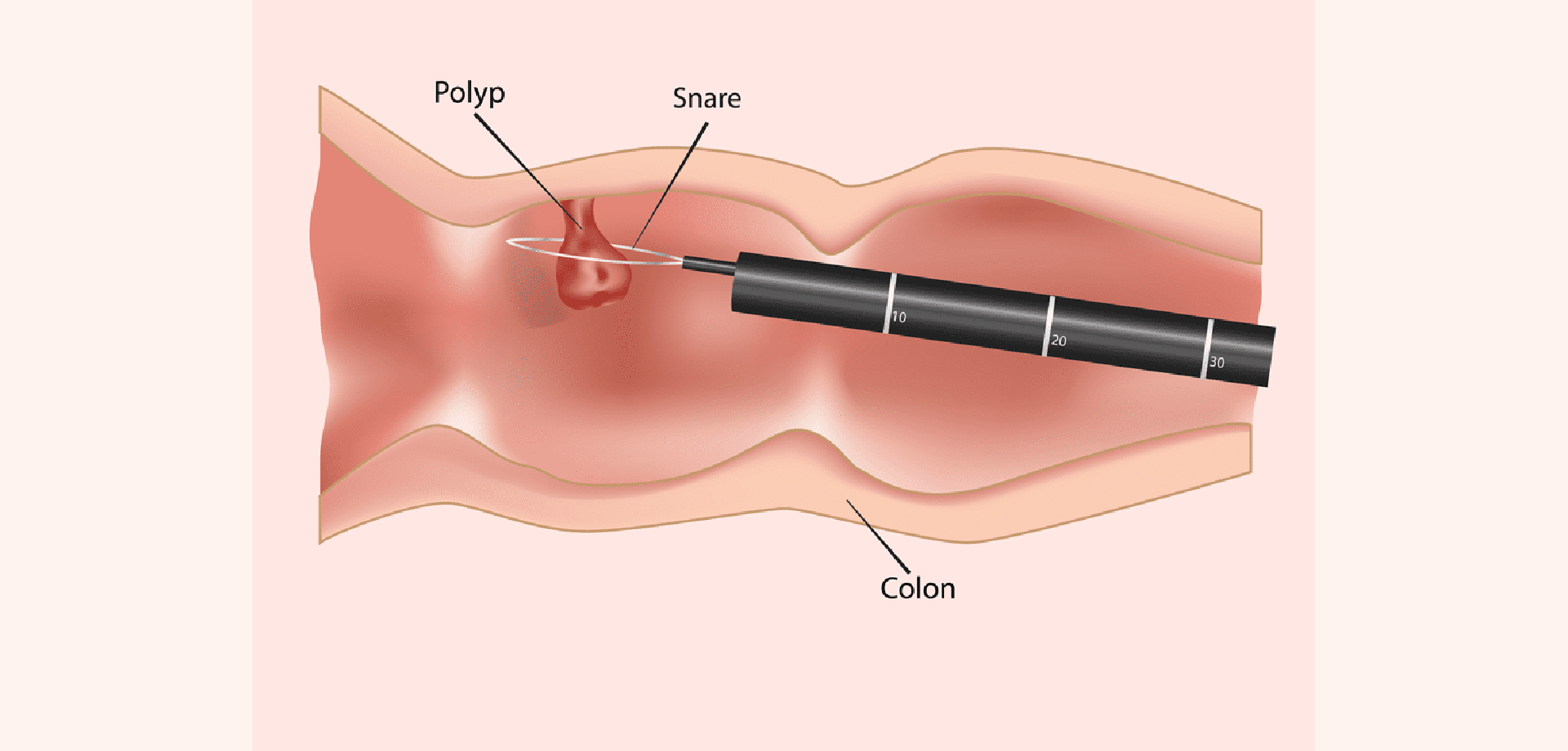
Polypectomy and Endoscopic Mucosal Resection (EMR) are minimally invasive endoscopic procedures used to remove abnormal tissue growths from the gastrointestinal tract. These techniques are fundamental to gastrointestinal cancer prevention and represent a major advancement in modern gastroenterology by allowing early intervention without the need for open surgery. In regions such as the UAE, where colorectal and gastric cancer incidence is increasing, these procedures play a vital preventive and therapeutic role.
A polypectomy involves the removal of small polyps that develop on the lining of the gastrointestinal tract, most commonly in the colon. Polyps are abnormal tissue growths that may be benign, precancerous, or malignant. While many polyps do not cause symptoms, certain types can gradually progress into cancer if left untreated. Removing them early significantly reduces future cancer risk.
Endoscopic Mucosal Resection (EMR) is a more advanced technique designed for larger, flat, or complex lesions confined to the superficial layers of the gastrointestinal lining. EMR allows removal of these lesions in a controlled manner using specialized endoscopic tools. Unlike surgical resection, EMR preserves the surrounding healthy tissue and avoids major incisions.
Both polypectomy and EMR are typically performed during colonoscopy or upper endoscopy. The procedures are carried out under sedation to ensure patient comfort. Advanced imaging techniques, including high-definition endoscopy and chromoendoscopy, are often used to accurately delineate lesion borders and ensure complete removal.
These procedures are indicated for precancerous polyps, early-stage cancers limited to the mucosa, and abnormal lesions identified during diagnostic endoscopy. Tissue removed during polypectomy or EMR is sent for histopathological examination, which provides critical information regarding cancer risk, margins, and need for further treatment or surveillance.
Recovery following polypectomy or EMR is usually rapid. Most patients are discharged the same day and can resume normal activities shortly thereafter. Post-procedure monitoring ensures early detection of rare complications such as bleeding or perforation. Follow-up colonoscopy or endoscopy may be recommended based on pathology results and individual risk factors.
Polypectomy and EMR have dramatically reduced the need for surgical intervention in early gastrointestinal cancers. When performed in appropriately selected patients, these procedures offer excellent long-term outcomes, lower complication rates, and preservation of organ function. They remain central to preventive gastroenterology and early cancer management.
A polypectomy involves the removal of small polyps that develop on the lining of the gastrointestinal tract, most commonly in the colon. Polyps are abnormal tissue growths that may be benign, precancerous, or malignant. While many polyps do not cause symptoms, certain types can gradually progress into cancer if left untreated. Removing them early significantly reduces future cancer risk.
Endoscopic Mucosal Resection (EMR) is a more advanced technique designed for larger, flat, or complex lesions confined to the superficial layers of the gastrointestinal lining. EMR allows removal of these lesions in a controlled manner using specialized endoscopic tools. Unlike surgical resection, EMR preserves the surrounding healthy tissue and avoids major incisions.
Both polypectomy and EMR are typically performed during colonoscopy or upper endoscopy. The procedures are carried out under sedation to ensure patient comfort. Advanced imaging techniques, including high-definition endoscopy and chromoendoscopy, are often used to accurately delineate lesion borders and ensure complete removal.
These procedures are indicated for precancerous polyps, early-stage cancers limited to the mucosa, and abnormal lesions identified during diagnostic endoscopy. Tissue removed during polypectomy or EMR is sent for histopathological examination, which provides critical information regarding cancer risk, margins, and need for further treatment or surveillance.
Recovery following polypectomy or EMR is usually rapid. Most patients are discharged the same day and can resume normal activities shortly thereafter. Post-procedure monitoring ensures early detection of rare complications such as bleeding or perforation. Follow-up colonoscopy or endoscopy may be recommended based on pathology results and individual risk factors.
Polypectomy and EMR have dramatically reduced the need for surgical intervention in early gastrointestinal cancers. When performed in appropriately selected patients, these procedures offer excellent long-term outcomes, lower complication rates, and preservation of organ function. They remain central to preventive gastroenterology and early cancer management.
Quick Contact
If you have any questions simply use the following contact details.

Working Hours
-
Out-patient Department
Monday to Saturday 08:00 AM - 09:00 PM
Sunday 10:00 AM - 06:00 PM
-
Emergency Department & Pharmacy
Sunday to Saturday 24x7



Book Appointments, Inquire, or Manage Your Care Easily – Get in Touch via
 04 406 3000
  04 406 3000
Quick Links
Legal
Working Hours
-
Out-patient Department
Monday to Saturday | 8 AM to 9 PM
Sunday | 10 AM to 6 PM
Emergency Department & Pharmacy | 24x7
Connect with us!




©2026 IMH. All Rights Reserved. Ministry of Health License No : TEBMJIU0-060622