

Gastroscopy (Upper Endoscopy)
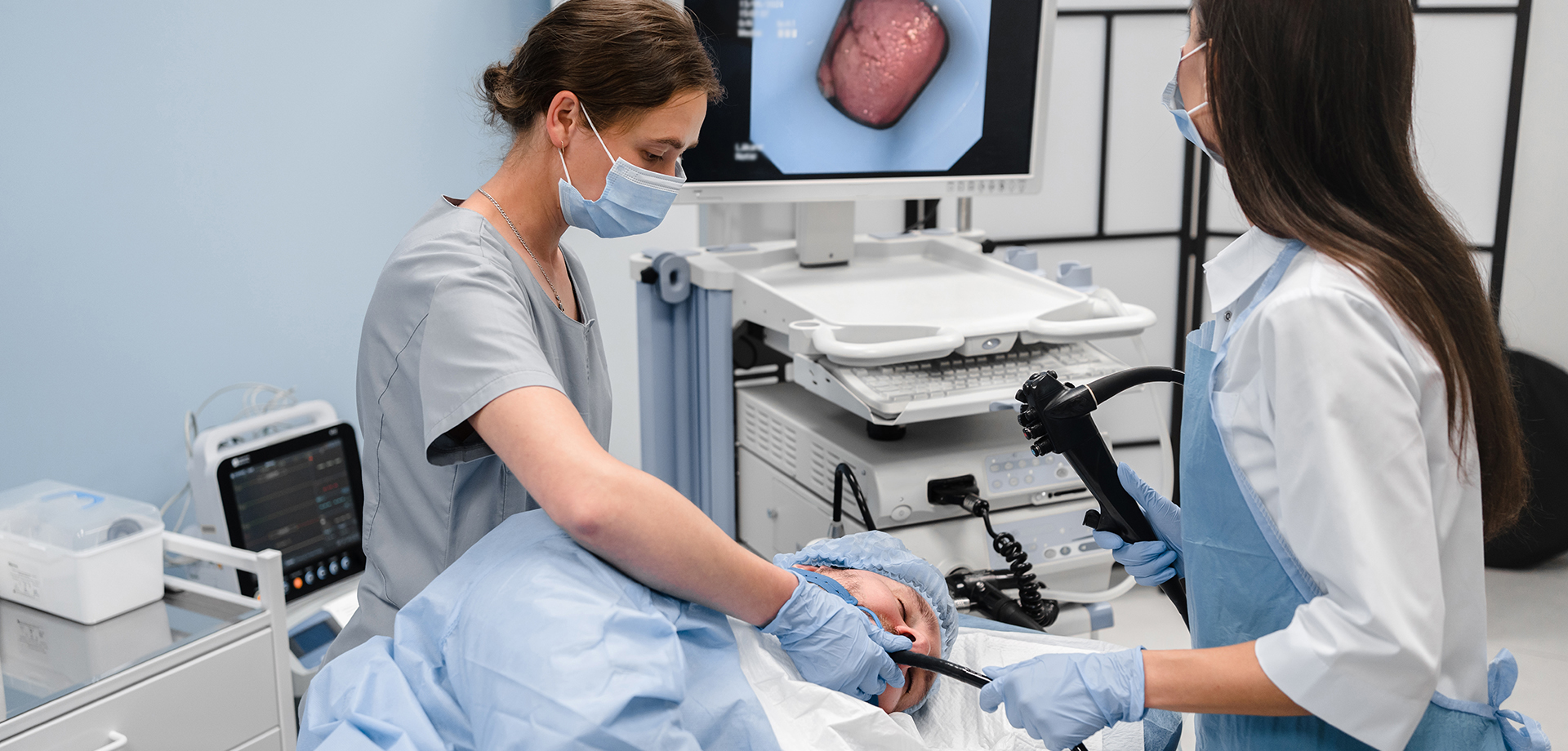
Gastroscopy, also known as upper gastrointestinal endoscopy, is a well-established diagnostic and therapeutic procedure used to examine the esophagus, stomach, and duodenum (the first part of the small intestine). It is one of the most commonly performed gastroenterology procedures and plays a critical role in identifying upper gastrointestinal disorders at an early stage. In the UAE, conditions such as acid reflux, gastritis, peptic ulcer disease, and lifestyle-related digestive disorders are increasingly prevalent, making gastroscopy an essential investigation in routine clinical practice.
The procedure involves the use of a thin, flexible endoscope equipped with a high-resolution camera and light source. The endoscope is gently passed through the mouth and advanced into the upper digestive tract, allowing direct visualization of the mucosal lining. This real-time imaging enables gastroenterologists to accurately assess abnormalities such as inflammation, erosions, ulcers, strictures, bleeding lesions, or suspicious growths that may not be detectable through imaging alone.
Gastroscopy is indicated for a wide range of symptoms and clinical scenarios. These include persistent heartburn or acid reflux, difficulty or pain while swallowing, chronic indigestion, upper abdominal pain, nausea or vomiting, unexplained weight loss, iron-deficiency anemia, vomiting of blood, or black stools suggestive of upper gastrointestinal bleeding. It is also a key diagnostic tool for conditions such as gastritis, peptic ulcer disease, Barrett’s esophagus, Helicobacter pylori infection, celiac disease, and upper gastrointestinal cancers.
A major advantage of gastroscopy is its combined diagnostic and therapeutic capability. During the same procedure, tissue biopsies can be obtained for histopathological examination, allowing definitive diagnosis of inflammatory, infectious, or malignant conditions. Endoscopic interventions such as control of bleeding, dilation of strictures, or removal of foreign bodies can also be performed immediately, reducing the need for emergency surgery or repeat procedures.
Gastroscopy is typically performed under conscious sedation or deep sedation to ensure patient comfort and safety. The procedure usually takes 15 to 30 minutes and is carried out in a specialized endoscopy suite with continuous monitoring. Most patients tolerate the procedure well and experience minimal discomfort. After a short recovery period, patients can return home the same day with appropriate post-procedure instructions.
Following gastroscopy, findings are explained in detail, and treatment plans are tailored based on results. Biopsy findings guide further medical management, surveillance, or referral if required. Early diagnosis through gastroscopy significantly improves outcomes, particularly in conditions such as peptic ulcer disease and upper gastrointestinal malignancies.
Gastroscopy remains a cornerstone investigation in gastroenterology, providing accurate diagnosis, enabling timely treatment, and supporting long-term management of upper digestive disorders.
The procedure involves the use of a thin, flexible endoscope equipped with a high-resolution camera and light source. The endoscope is gently passed through the mouth and advanced into the upper digestive tract, allowing direct visualization of the mucosal lining. This real-time imaging enables gastroenterologists to accurately assess abnormalities such as inflammation, erosions, ulcers, strictures, bleeding lesions, or suspicious growths that may not be detectable through imaging alone.
Gastroscopy is indicated for a wide range of symptoms and clinical scenarios. These include persistent heartburn or acid reflux, difficulty or pain while swallowing, chronic indigestion, upper abdominal pain, nausea or vomiting, unexplained weight loss, iron-deficiency anemia, vomiting of blood, or black stools suggestive of upper gastrointestinal bleeding. It is also a key diagnostic tool for conditions such as gastritis, peptic ulcer disease, Barrett’s esophagus, Helicobacter pylori infection, celiac disease, and upper gastrointestinal cancers.
A major advantage of gastroscopy is its combined diagnostic and therapeutic capability. During the same procedure, tissue biopsies can be obtained for histopathological examination, allowing definitive diagnosis of inflammatory, infectious, or malignant conditions. Endoscopic interventions such as control of bleeding, dilation of strictures, or removal of foreign bodies can also be performed immediately, reducing the need for emergency surgery or repeat procedures.
Gastroscopy is typically performed under conscious sedation or deep sedation to ensure patient comfort and safety. The procedure usually takes 15 to 30 minutes and is carried out in a specialized endoscopy suite with continuous monitoring. Most patients tolerate the procedure well and experience minimal discomfort. After a short recovery period, patients can return home the same day with appropriate post-procedure instructions.
Following gastroscopy, findings are explained in detail, and treatment plans are tailored based on results. Biopsy findings guide further medical management, surveillance, or referral if required. Early diagnosis through gastroscopy significantly improves outcomes, particularly in conditions such as peptic ulcer disease and upper gastrointestinal malignancies.
Gastroscopy remains a cornerstone investigation in gastroenterology, providing accurate diagnosis, enabling timely treatment, and supporting long-term management of upper digestive disorders.
Quick Contact
If you have any questions simply use the following contact details.

Working Hours
-
Out-patient Department
Monday to Saturday 08:00 AM - 09:00 PM
Sunday 10:00 AM - 06:00 PM
-
Emergency Department & Pharmacy
Sunday to Saturday 24x7


Book Appointments, Inquire, or Manage Your Care Easily – Get in Touch via
 04 406 3000
  04 406 3000
Quick Links
Legal
Working Hours
-
Out-patient Department
Monday to Saturday | 8 AM to 9 PM
Sunday | 10 AM to 6 PM
Emergency Department & Pharmacy | 24x7
Connect with us!




©2026 IMH. All Rights Reserved. Ministry of Health License No : TEBMJIU0-060622