

Colonoscopy
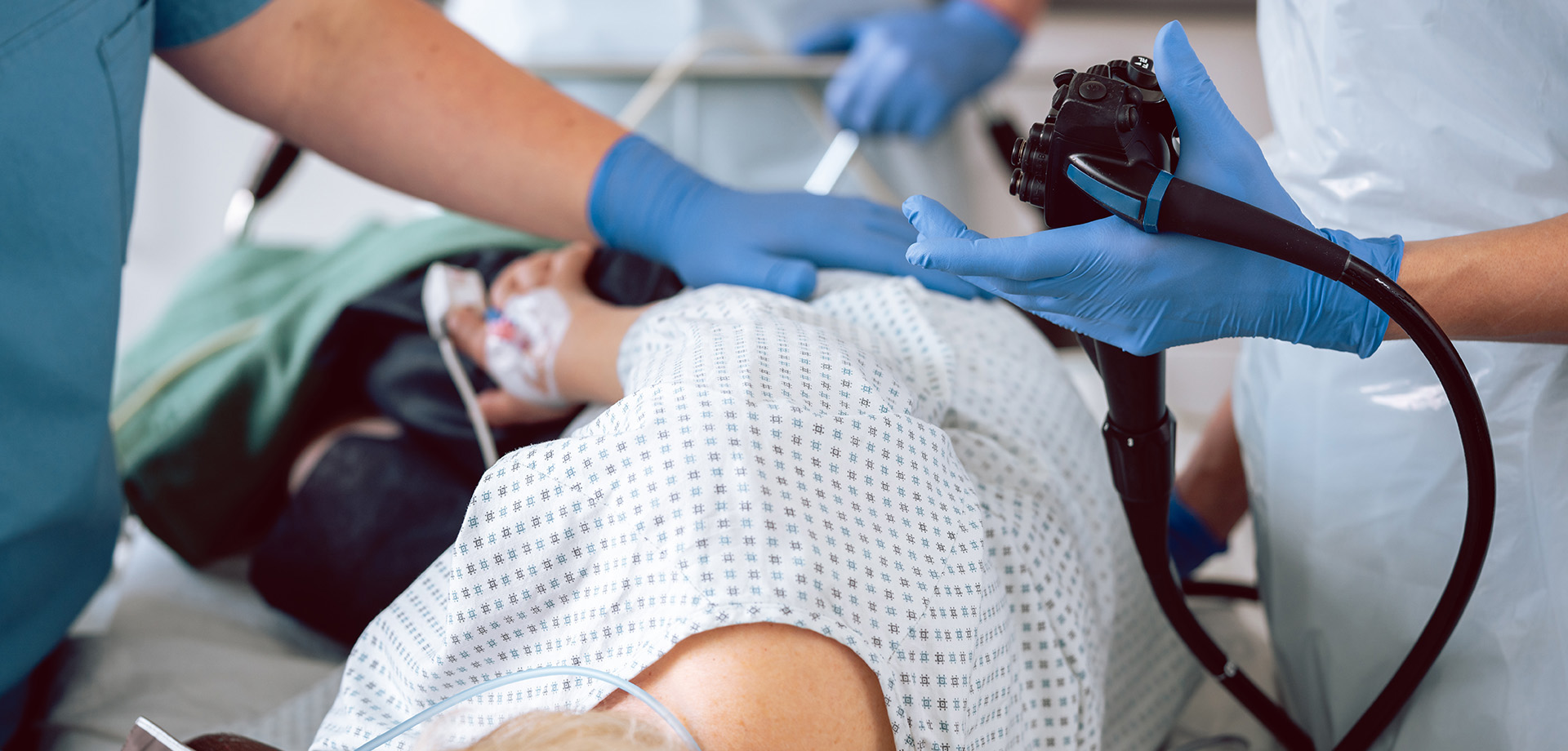
Colonoscopy is a well-established diagnostic and preventive gastrointestinal procedure used to examine the inner lining of the large intestine (colon) and rectum. It plays a central role in identifying diseases of the lower gastrointestinal tract and is one of the most effective tools for early detection and prevention of colorectal cancer. With lifestyle changes, dietary patterns, rising obesity rates, and increasing life expectancy, colorectal disorders are becoming more prevalent in the UAE, making colonoscopy an essential component of preventive healthcare.
The procedure involves the use of a flexible endoscope fitted with a high-definition camera and light source. This instrument is gently advanced through the rectum and guided along the length of the colon, allowing the gastroenterologist to visualize the mucosal surface in real time. Advanced imaging technologies enable detection of subtle abnormalities such as flat lesions, early polyps, inflammation, vascular malformations, or early malignancies that may not cause symptoms in their initial stages.
Colonoscopy is indicated for both screening and diagnostic purposes. From a preventive standpoint, it is recommended for average-risk individuals starting at the age of 45, and earlier for those with a family history of colorectal cancer or polyps. Diagnostically, colonoscopy is performed to evaluate symptoms such as rectal bleeding, unexplained anemia, chronic diarrhea or constipation, abdominal pain, unexplained weight loss, or changes in bowel habits. It is also a cornerstone investigation for diagnosing and monitoring inflammatory bowel diseases such as ulcerative colitis and Crohn’s disease.
A key advantage of colonoscopy is its therapeutic capability. During the same procedure, polyps can be removed through polypectomy before they undergo malignant transformation. Biopsies can be obtained from suspicious areas to confirm diagnoses, and sources of bleeding can be identified and treated endoscopically. This ability to diagnose and treat simultaneously significantly reduces the need for repeat procedures or surgical intervention.
The procedure is performed under conscious sedation or deep sedation to ensure patient comfort and cooperation. Prior to colonoscopy, patients undergo a bowel preparation regimen to cleanse the colon, which is critical for accurate visualization and lesion detection. The procedure typically takes 30 to 45 minutes, followed by a short recovery period during which patients are monitored until the effects of sedation wear off.
Following colonoscopy, patients receive a detailed explanation of findings along with photographic documentation where applicable. Histopathology results from biopsies or removed polyps guide further management and surveillance intervals. Most patients are able to resume normal activities within 24 hours, with minimal post-procedural discomfort.
Colonoscopy remains the gold standard for colorectal disease evaluation. When performed in appropriately selected patients, it significantly reduces colorectal cancer incidence and mortality, improves diagnostic accuracy, and supports long-term digestive health through early intervention and preventive care.
The procedure involves the use of a flexible endoscope fitted with a high-definition camera and light source. This instrument is gently advanced through the rectum and guided along the length of the colon, allowing the gastroenterologist to visualize the mucosal surface in real time. Advanced imaging technologies enable detection of subtle abnormalities such as flat lesions, early polyps, inflammation, vascular malformations, or early malignancies that may not cause symptoms in their initial stages.
Colonoscopy is indicated for both screening and diagnostic purposes. From a preventive standpoint, it is recommended for average-risk individuals starting at the age of 45, and earlier for those with a family history of colorectal cancer or polyps. Diagnostically, colonoscopy is performed to evaluate symptoms such as rectal bleeding, unexplained anemia, chronic diarrhea or constipation, abdominal pain, unexplained weight loss, or changes in bowel habits. It is also a cornerstone investigation for diagnosing and monitoring inflammatory bowel diseases such as ulcerative colitis and Crohn’s disease.
A key advantage of colonoscopy is its therapeutic capability. During the same procedure, polyps can be removed through polypectomy before they undergo malignant transformation. Biopsies can be obtained from suspicious areas to confirm diagnoses, and sources of bleeding can be identified and treated endoscopically. This ability to diagnose and treat simultaneously significantly reduces the need for repeat procedures or surgical intervention.
The procedure is performed under conscious sedation or deep sedation to ensure patient comfort and cooperation. Prior to colonoscopy, patients undergo a bowel preparation regimen to cleanse the colon, which is critical for accurate visualization and lesion detection. The procedure typically takes 30 to 45 minutes, followed by a short recovery period during which patients are monitored until the effects of sedation wear off.
Following colonoscopy, patients receive a detailed explanation of findings along with photographic documentation where applicable. Histopathology results from biopsies or removed polyps guide further management and surveillance intervals. Most patients are able to resume normal activities within 24 hours, with minimal post-procedural discomfort.
Colonoscopy remains the gold standard for colorectal disease evaluation. When performed in appropriately selected patients, it significantly reduces colorectal cancer incidence and mortality, improves diagnostic accuracy, and supports long-term digestive health through early intervention and preventive care.
Quick Contact
If you have any questions simply use the following contact details.

Working Hours
-
Out-patient Department
Monday to Saturday 08:00 AM - 09:00 PM
Sunday 10:00 AM - 06:00 PM
-
Emergency Department & Pharmacy
Sunday to Saturday 24x7


Book Appointments, Inquire, or Manage Your Care Easily – Get in Touch via
 04 406 3000
  04 406 3000
Quick Links
Legal
Working Hours
-
Out-patient Department
Monday to Saturday | 8 AM to 9 PM
Sunday | 10 AM to 6 PM
Emergency Department & Pharmacy | 24x7
Connect with us!




©2026 IMH. All Rights Reserved. Ministry of Health License No : TEBMJIU0-060622