

Anti-Reflux Surgery
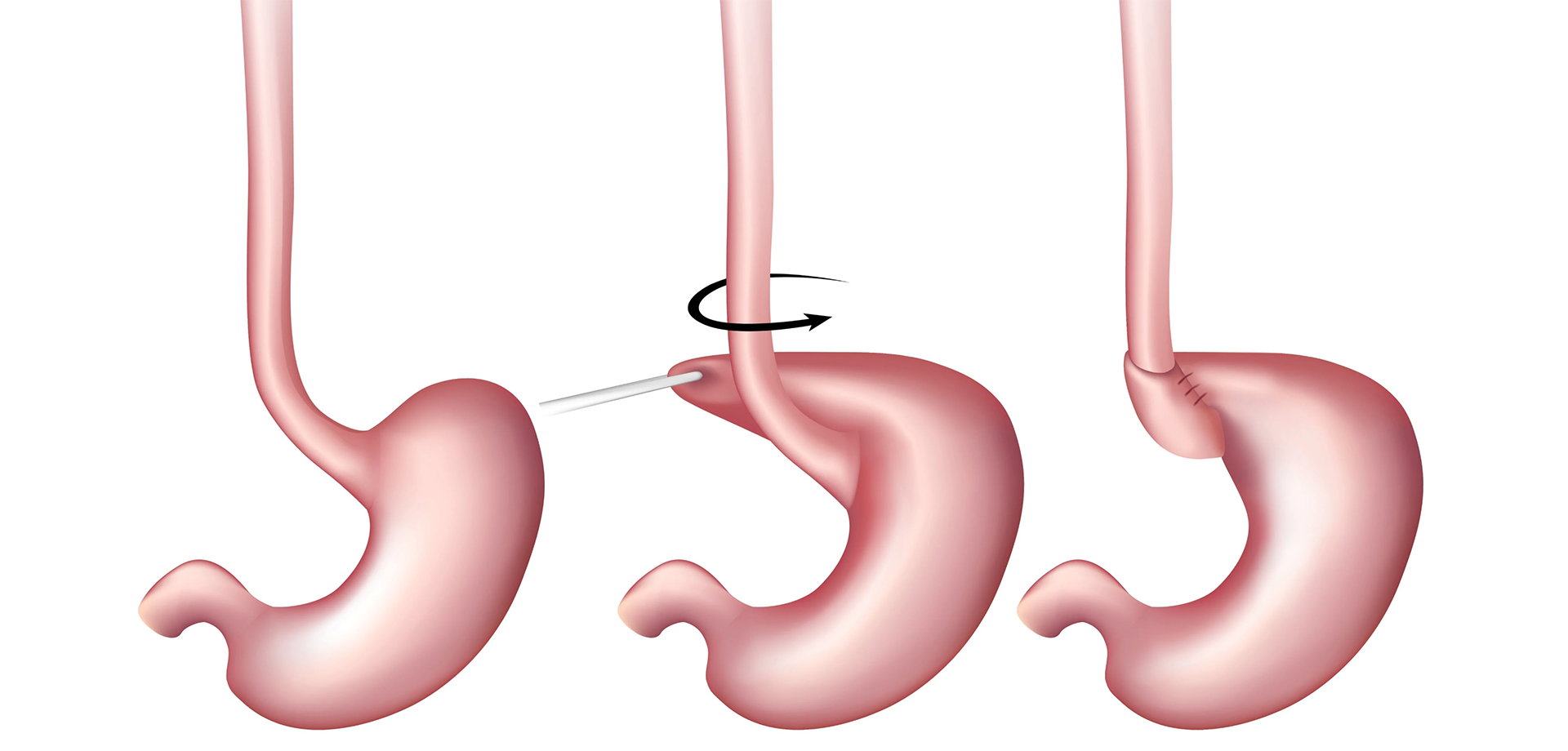
Anti-reflux surgery is a well-established therapeutic option for patients with gastroesophageal reflux disease (GERD) who continue to experience significant symptoms despite optimal medical therapy. GERD is a chronic condition caused by dysfunction of the lower esophageal sphincter, allowing stomach acid to reflux into the esophagus. Over time, persistent acid exposure can lead to complications such as erosive esophagitis, esophageal strictures, Barrett’s esophagus, and an increased risk of esophageal cancer. In the UAE, GERD prevalence is rising due to dietary habits, obesity, stress, and sedentary lifestyles.
The primary goal of anti-reflux surgery is to restore the natural barrier between the stomach and the esophagus, thereby preventing acid reflux and protecting the esophageal lining. This is most commonly achieved through minimally invasive techniques that reinforce the lower esophageal sphincter and improve esophageal function. By correcting the underlying mechanical defect rather than suppressing acid production alone, surgery offers durable symptom control for appropriately selected patients.
Anti-reflux surgery is typically considered in patients with severe or long-standing GERD who do not respond adequately to proton pump inhibitors or other medications, those who require lifelong high-dose medication, or individuals who develop reflux-related complications. Careful pre-operative evaluation is essential and includes endoscopy, esophageal pH monitoring, manometry, and imaging studies to confirm diagnosis and ensure suitability for surgery.
The procedure is performed using minimally invasive techniques, most commonly laparoscopic approaches. These techniques involve small incisions, specialized instruments, and camera guidance to ensure precision and safety. Minimally invasive surgery offers advantages such as reduced post-operative pain, shorter hospital stay, faster recovery, and improved cosmetic outcomes compared to traditional open surgery.
During the procedure, the anatomy at the junction of the esophagus and stomach is corrected to strengthen the reflux barrier. This restores normal swallowing mechanics while preventing acid regurgitation. The operation is performed under general anesthesia in a specialized operating environment with continuous monitoring to ensure patient safety.
Following surgery, patients are monitored during a short hospital stay and gradually resume oral intake. Most individuals experience significant and sustained improvement in reflux symptoms, including heartburn, regurgitation, chest discomfort, and sleep disturbance. Long-term follow-up focuses on symptom control, nutritional status, and esophageal health.
Anti-reflux surgery significantly improves quality of life for appropriately selected patients. When combined with careful patient evaluation and experienced surgical expertise, it provides a safe and effective long-term solution for chronic reflux disease and its complications.
The primary goal of anti-reflux surgery is to restore the natural barrier between the stomach and the esophagus, thereby preventing acid reflux and protecting the esophageal lining. This is most commonly achieved through minimally invasive techniques that reinforce the lower esophageal sphincter and improve esophageal function. By correcting the underlying mechanical defect rather than suppressing acid production alone, surgery offers durable symptom control for appropriately selected patients.
Anti-reflux surgery is typically considered in patients with severe or long-standing GERD who do not respond adequately to proton pump inhibitors or other medications, those who require lifelong high-dose medication, or individuals who develop reflux-related complications. Careful pre-operative evaluation is essential and includes endoscopy, esophageal pH monitoring, manometry, and imaging studies to confirm diagnosis and ensure suitability for surgery.
The procedure is performed using minimally invasive techniques, most commonly laparoscopic approaches. These techniques involve small incisions, specialized instruments, and camera guidance to ensure precision and safety. Minimally invasive surgery offers advantages such as reduced post-operative pain, shorter hospital stay, faster recovery, and improved cosmetic outcomes compared to traditional open surgery.
During the procedure, the anatomy at the junction of the esophagus and stomach is corrected to strengthen the reflux barrier. This restores normal swallowing mechanics while preventing acid regurgitation. The operation is performed under general anesthesia in a specialized operating environment with continuous monitoring to ensure patient safety.
Following surgery, patients are monitored during a short hospital stay and gradually resume oral intake. Most individuals experience significant and sustained improvement in reflux symptoms, including heartburn, regurgitation, chest discomfort, and sleep disturbance. Long-term follow-up focuses on symptom control, nutritional status, and esophageal health.
Anti-reflux surgery significantly improves quality of life for appropriately selected patients. When combined with careful patient evaluation and experienced surgical expertise, it provides a safe and effective long-term solution for chronic reflux disease and its complications.
Quick Contact
If you have any questions simply use the following contact details.

Working Hours
-
Out-patient Department
Monday to Saturday 08:00 AM - 09:00 PM
Sunday 10:00 AM - 06:00 PM
-
Emergency Department & Pharmacy
Sunday to Saturday 24x7



Book Appointments, Inquire, or Manage Your Care Easily – Get in Touch via
 04 406 3000
  04 406 3000
Quick Links
Legal
Working Hours
-
Out-patient Department
Monday to Saturday | 8 AM to 9 PM
Sunday | 10 AM to 6 PM
Emergency Department & Pharmacy | 24x7
Connect with us!




©2026 IMH. All Rights Reserved. Ministry of Health License No : TEBMJIU0-060622