

Episiotomy & Perineal Repair
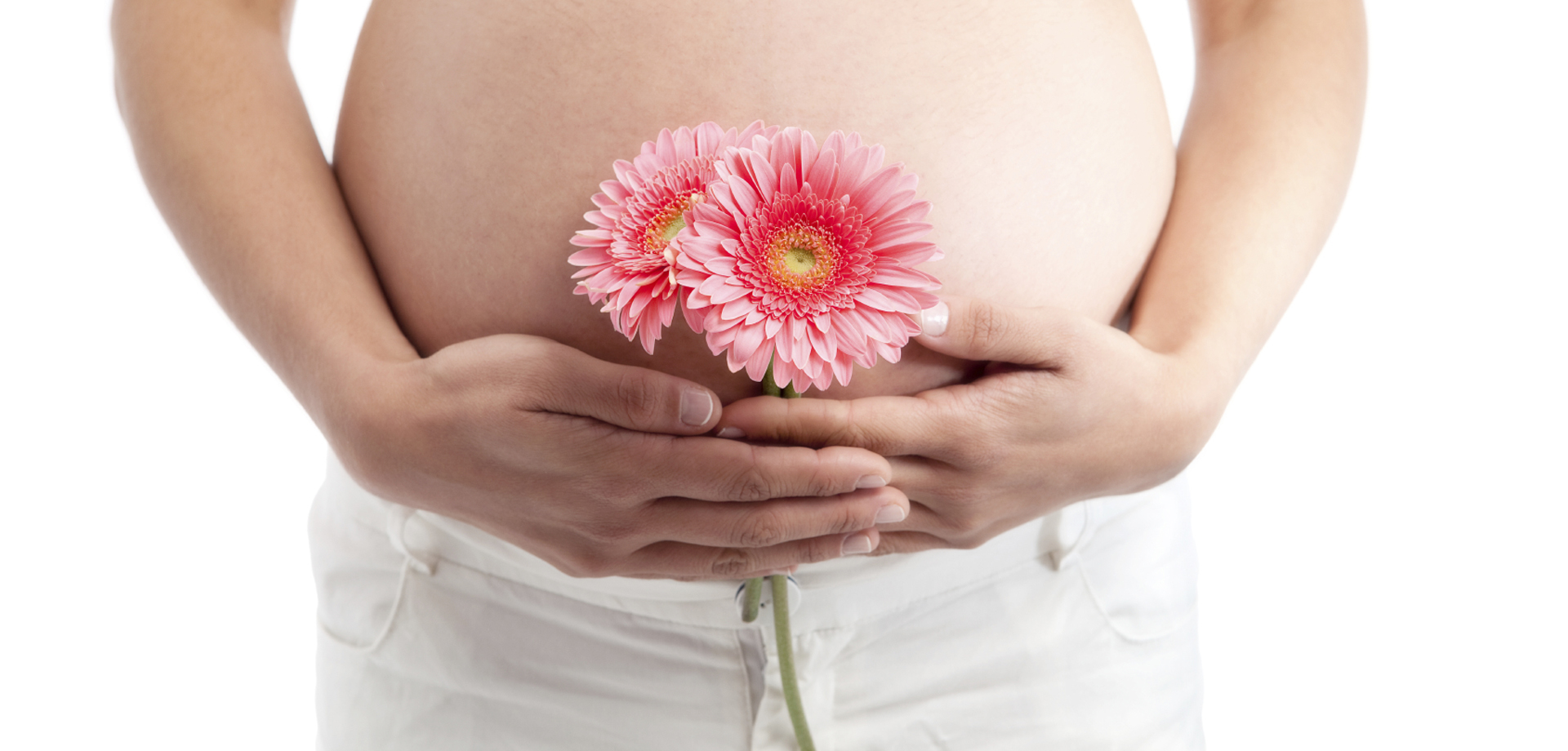
Episiotomy and perineal repair are obstetric procedures related to the management of the perineum during vaginal childbirth. An episiotomy involves a controlled surgical incision made in the perineal tissue to enlarge the vaginal opening during delivery, while perineal repair refers to the meticulous suturing of the perineum following childbirth, whether after an episiotomy or a natural tear. Modern obstetric practice emphasizes selective rather than routine use of episiotomy, reserving it for specific clinical indications.
Episiotomy may be indicated in situations where rapid delivery is required due to fetal distress, when instrumental delivery is performed, or when the perineal tissues are judged unlikely to stretch adequately, increasing the risk of severe uncontrolled tearing. By creating a controlled incision, episiotomy can facilitate delivery while potentially reducing the extent of complex perineal trauma in selected cases.
Perineal tears can occur naturally during vaginal delivery and are classified based on their depth and structures involved. Minor tears may involve only the skin, while more extensive injuries can affect muscles and, rarely, the anal sphincter complex. Accurate identification and appropriate repair of perineal trauma are critical to restoring anatomical integrity, minimizing pain, and preventing long-term complications such as incontinence or pelvic floor dysfunction.
Perineal repair is performed immediately after delivery under adequate anesthesia using absorbable sutures. The technique focuses on precise tissue alignment, tension-free closure, and preservation of blood supply to promote optimal healing. Attention to surgical technique significantly influences recovery, pain levels, and long-term outcomes.
Post-procedure care is an essential aspect of recovery. Pain management, perineal hygiene, wound care, and guidance on pelvic floor exercises support healing and reduce the risk of infection. Most women experience gradual improvement over several weeks, with complete healing expected in the majority of cases.
Episiotomy and perineal repair play an important role in ensuring safe vaginal delivery and postpartum recovery when clinically indicated. With judicious use, skilled repair, and appropriate aftercare, these procedures contribute to favorable maternal outcomes and long-term pelvic health.
Episiotomy may be indicated in situations where rapid delivery is required due to fetal distress, when instrumental delivery is performed, or when the perineal tissues are judged unlikely to stretch adequately, increasing the risk of severe uncontrolled tearing. By creating a controlled incision, episiotomy can facilitate delivery while potentially reducing the extent of complex perineal trauma in selected cases.
Perineal tears can occur naturally during vaginal delivery and are classified based on their depth and structures involved. Minor tears may involve only the skin, while more extensive injuries can affect muscles and, rarely, the anal sphincter complex. Accurate identification and appropriate repair of perineal trauma are critical to restoring anatomical integrity, minimizing pain, and preventing long-term complications such as incontinence or pelvic floor dysfunction.
Perineal repair is performed immediately after delivery under adequate anesthesia using absorbable sutures. The technique focuses on precise tissue alignment, tension-free closure, and preservation of blood supply to promote optimal healing. Attention to surgical technique significantly influences recovery, pain levels, and long-term outcomes.
Post-procedure care is an essential aspect of recovery. Pain management, perineal hygiene, wound care, and guidance on pelvic floor exercises support healing and reduce the risk of infection. Most women experience gradual improvement over several weeks, with complete healing expected in the majority of cases.
Episiotomy and perineal repair play an important role in ensuring safe vaginal delivery and postpartum recovery when clinically indicated. With judicious use, skilled repair, and appropriate aftercare, these procedures contribute to favorable maternal outcomes and long-term pelvic health.
Quick Contact
If you have any questions simply use the following contact details.

Working Hours
-
Out-patient Department
Monday to Saturday 08:00 AM - 09:00 PM
Sunday 10:00 AM - 06:00 PM
-
Emergency Department & Pharmacy
Sunday to Saturday 24x7


Book Appointments, Inquire, or Manage Your Care Easily – Get in Touch via
 04 406 3000
  04 406 3000
Quick Links
Legal
Working Hours
-
Out-patient Department
Monday to Saturday | 8 AM to 9 PM
Sunday | 10 AM to 6 PM
Emergency Department & Pharmacy | 24x7
Connect with us!




©2026 IMH. All Rights Reserved. Ministry of Health License No : TEBMJIU0-060622