

Endoscopic Sinus Surgery (Functional Endoscopic Sinus Surgery – FESS)
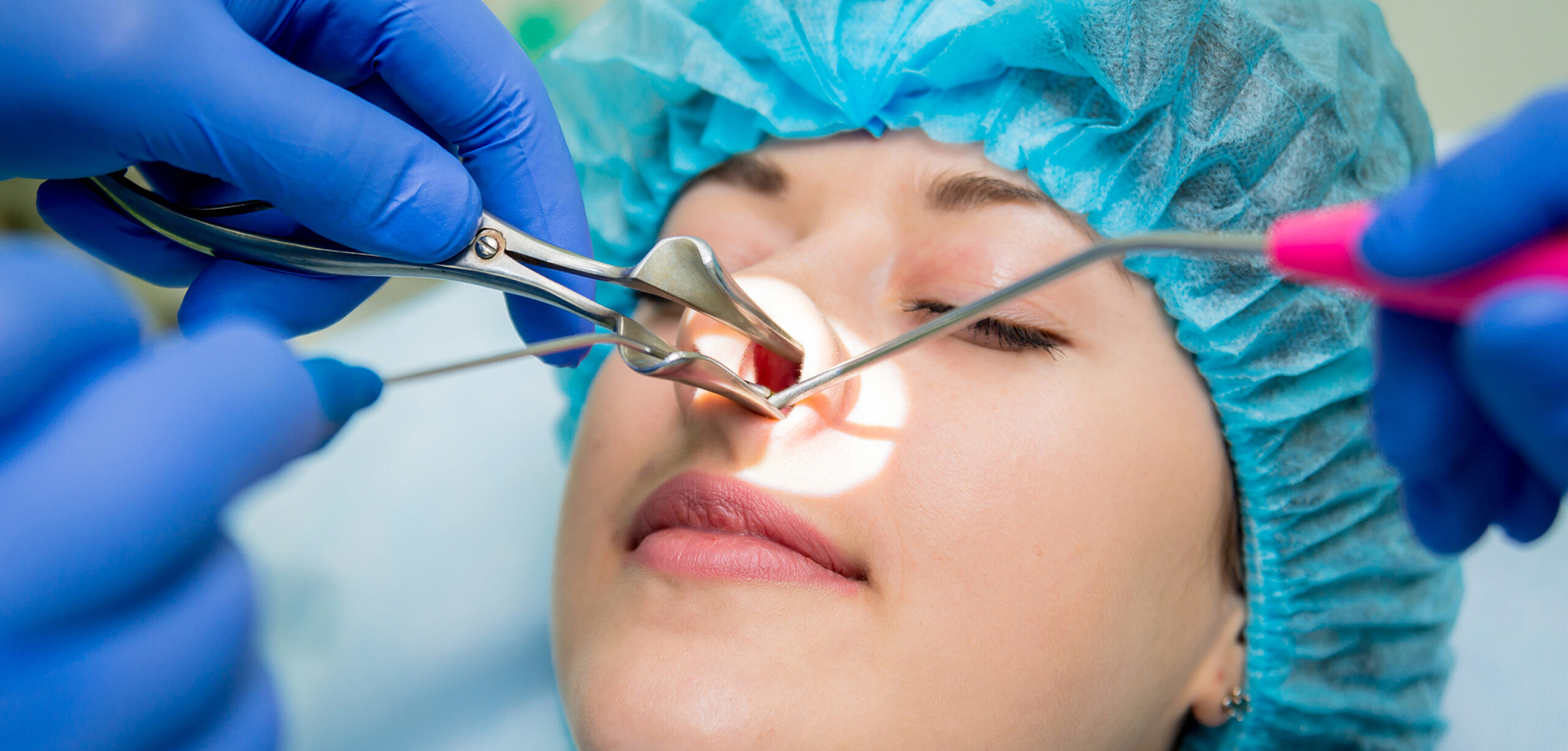
Functional Endoscopic Sinus Surgery (FESS) is a minimally invasive surgical technique used to restore normal drainage and ventilation of the paranasal sinuses. It is most commonly performed in patients with chronic sinusitis who do not respond adequately to prolonged medical therapy. The primary objective of FESS is to remove obstruction within the sinus drainage pathways while preserving as much normal anatomy and mucosa as possible.
Chronic sinusitis occurs when inflammation of the sinus lining persists for more than 12 weeks, leading to nasal congestion, facial pain or pressure, postnasal drip, reduced sense of smell, headache, and recurrent infections. Common contributing factors include nasal polyps, deviated nasal septum, turbinate hypertrophy, allergic rhinitis, and anatomical narrowing of sinus openings. When these factors prevent effective sinus drainage, surgery becomes necessary to relieve symptoms and prevent complications.
FESS is performed using rigid endoscopes inserted through the nostrils, eliminating the need for external incisions. High-definition cameras provide detailed visualization of the nasal cavity and sinus openings. Using specialized micro-instruments, the surgeon removes inflamed tissue, polyps, or bone causing obstruction, thereby widening the natural sinus drainage pathways. Image-guided navigation systems may be used in complex cases to enhance surgical precision and safety.
The procedure is typically performed under general anesthesia, although selected cases may be done under local anesthesia. Surgery duration varies depending on disease severity and number of sinuses involved. FESS may be performed alone or combined with other nasal procedures such as septoplasty or turbinate reduction to optimize airflow and sinus function.
Postoperative recovery focuses on promoting healing and preventing scar formation. Nasal congestion and mild blood-tinged discharge are common initially. Saline nasal irrigation, topical medications, and regular follow-up visits are essential to ensure proper healing. Most patients return to routine activities within one to two weeks.
Outcomes following FESS are highly favorable when performed for appropriate indications. Patients typically experience significant reduction in sinus infections, improved nasal breathing, restored sense of smell, and enhanced quality of life. Long-term success depends on continued medical management of underlying conditions such as allergies.
Chronic sinusitis occurs when inflammation of the sinus lining persists for more than 12 weeks, leading to nasal congestion, facial pain or pressure, postnasal drip, reduced sense of smell, headache, and recurrent infections. Common contributing factors include nasal polyps, deviated nasal septum, turbinate hypertrophy, allergic rhinitis, and anatomical narrowing of sinus openings. When these factors prevent effective sinus drainage, surgery becomes necessary to relieve symptoms and prevent complications.
FESS is performed using rigid endoscopes inserted through the nostrils, eliminating the need for external incisions. High-definition cameras provide detailed visualization of the nasal cavity and sinus openings. Using specialized micro-instruments, the surgeon removes inflamed tissue, polyps, or bone causing obstruction, thereby widening the natural sinus drainage pathways. Image-guided navigation systems may be used in complex cases to enhance surgical precision and safety.
The procedure is typically performed under general anesthesia, although selected cases may be done under local anesthesia. Surgery duration varies depending on disease severity and number of sinuses involved. FESS may be performed alone or combined with other nasal procedures such as septoplasty or turbinate reduction to optimize airflow and sinus function.
Postoperative recovery focuses on promoting healing and preventing scar formation. Nasal congestion and mild blood-tinged discharge are common initially. Saline nasal irrigation, topical medications, and regular follow-up visits are essential to ensure proper healing. Most patients return to routine activities within one to two weeks.
Outcomes following FESS are highly favorable when performed for appropriate indications. Patients typically experience significant reduction in sinus infections, improved nasal breathing, restored sense of smell, and enhanced quality of life. Long-term success depends on continued medical management of underlying conditions such as allergies.
Quick Contact
If you have any questions simply use the following contact details.

Working Hours
-
Out-patient Department
Monday to Saturday 08:00 AM - 09:00 PM
Sunday 10:00 AM - 06:00 PM
-
Emergency Department & Pharmacy
Sunday to Saturday 24x7


Book Appointments, Inquire, or Manage Your Care Easily – Get in Touch via
 04 406 3000
  04 406 3000
Quick Links
Legal
Working Hours
-
Out-patient Department
Monday to Saturday | 8 AM to 9 PM
Sunday | 10 AM to 6 PM
Emergency Department & Pharmacy | 24x7
Connect with us!




©2026 IMH. All Rights Reserved. Ministry of Health License No : TEBMJIU0-060622