

Endoscopic & Minimally Invasive Procedures
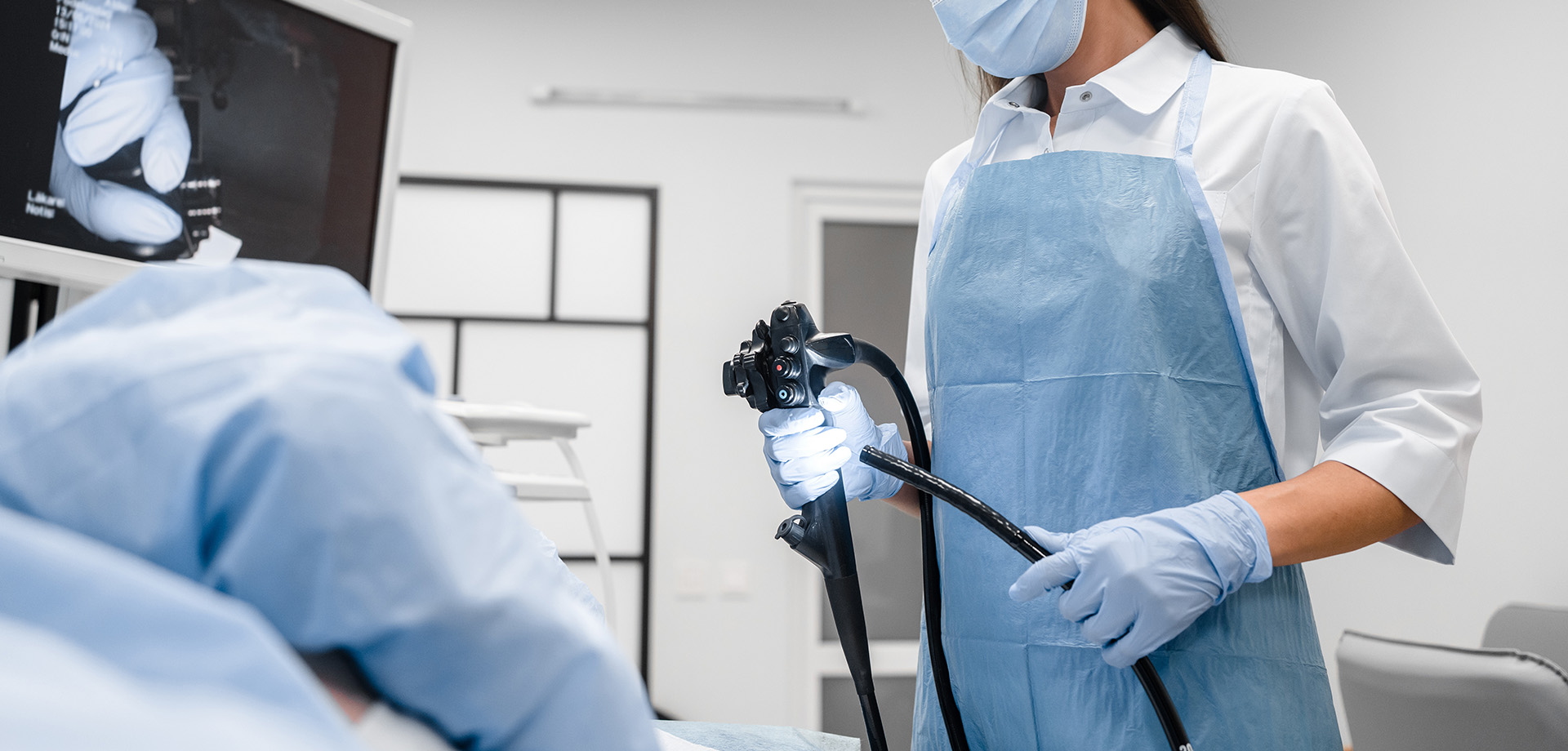
Endoscopic and minimally invasive procedures represent a cornerstone of modern medical care, enabling accurate diagnosis and effective treatment with minimal disruption to the body. These advanced techniques use small incisions or natural body openings to access internal organs, significantly reducing pain, recovery time, and hospital stay compared to traditional open surgery.
Endoscopic procedures involve the use of flexible or rigid instruments equipped with high-definition cameras, allowing physicians to visualize internal structures such as the gastrointestinal tract, respiratory system, urinary tract, and joints. Common diagnostic endoscopic procedures include gastroscopy, colonoscopy, bronchoscopy, cystoscopy, and hysteroscopy. These procedures are critical for early detection of conditions such as ulcers, polyps, inflammation, tumors, and sources of bleeding.
Minimally invasive procedures extend beyond diagnosis to treatment. Therapeutic endoscopy allows for the removal of polyps, control of bleeding, dilation of strictures, placement of stents, and biopsy of suspicious lesions—all without the need for large surgical incisions. Laparoscopic and keyhole techniques are widely used in general surgery, gynecology, urology, and orthopedics to treat conditions such as gallstones, hernias, endometriosis, ovarian cysts, and appendicitis.
One of the most significant advantages of minimally invasive procedures is enhanced patient safety and comfort. Smaller incisions lead to reduced postoperative pain, minimal scarring, lower risk of infection, and faster return to daily activities. Many procedures are performed as day-care surgeries, allowing patients to return home the same day.
These procedures are particularly beneficial for elderly patients, individuals with chronic medical conditions, and working professionals who require rapid recovery. Advanced imaging, precision instruments, and modern anesthesia techniques further improve outcomes and procedural accuracy.
Pre-procedure evaluation includes detailed clinical assessment, imaging, and laboratory investigations to ensure patient suitability and safety. Post-procedure care focuses on pain control, early mobilization, dietary guidance, and follow-up planning.
Endoscopic and minimally invasive procedures form the foundation of evidence-based, patient-centered care, supporting early diagnosis, targeted treatment, and improved long-term outcomes across multiple medical specialties.
Endoscopic procedures involve the use of flexible or rigid instruments equipped with high-definition cameras, allowing physicians to visualize internal structures such as the gastrointestinal tract, respiratory system, urinary tract, and joints. Common diagnostic endoscopic procedures include gastroscopy, colonoscopy, bronchoscopy, cystoscopy, and hysteroscopy. These procedures are critical for early detection of conditions such as ulcers, polyps, inflammation, tumors, and sources of bleeding.
Minimally invasive procedures extend beyond diagnosis to treatment. Therapeutic endoscopy allows for the removal of polyps, control of bleeding, dilation of strictures, placement of stents, and biopsy of suspicious lesions—all without the need for large surgical incisions. Laparoscopic and keyhole techniques are widely used in general surgery, gynecology, urology, and orthopedics to treat conditions such as gallstones, hernias, endometriosis, ovarian cysts, and appendicitis.
One of the most significant advantages of minimally invasive procedures is enhanced patient safety and comfort. Smaller incisions lead to reduced postoperative pain, minimal scarring, lower risk of infection, and faster return to daily activities. Many procedures are performed as day-care surgeries, allowing patients to return home the same day.
These procedures are particularly beneficial for elderly patients, individuals with chronic medical conditions, and working professionals who require rapid recovery. Advanced imaging, precision instruments, and modern anesthesia techniques further improve outcomes and procedural accuracy.
Pre-procedure evaluation includes detailed clinical assessment, imaging, and laboratory investigations to ensure patient suitability and safety. Post-procedure care focuses on pain control, early mobilization, dietary guidance, and follow-up planning.
Endoscopic and minimally invasive procedures form the foundation of evidence-based, patient-centered care, supporting early diagnosis, targeted treatment, and improved long-term outcomes across multiple medical specialties.
Quick Contact
If you have any questions simply use the following contact details.

Working Hours
-
Out-patient Department
Monday to Saturday 08:00 AM - 09:00 PM
Sunday 10:00 AM - 06:00 PM
-
Emergency Department & Pharmacy
Sunday to Saturday 24x7


Book Appointments, Inquire, or Manage Your Care Easily – Get in Touch via
 04 406 3000
  04 406 3000
Quick Links
Legal
Working Hours
-
Out-patient Department
Monday to Saturday | 8 AM to 9 PM
Sunday | 10 AM to 6 PM
Emergency Department & Pharmacy | 24x7
Connect with us!




©2026 IMH. All Rights Reserved. Ministry of Health License No : TEBMJIU0-060622