

Access Site Monitoring & Revision
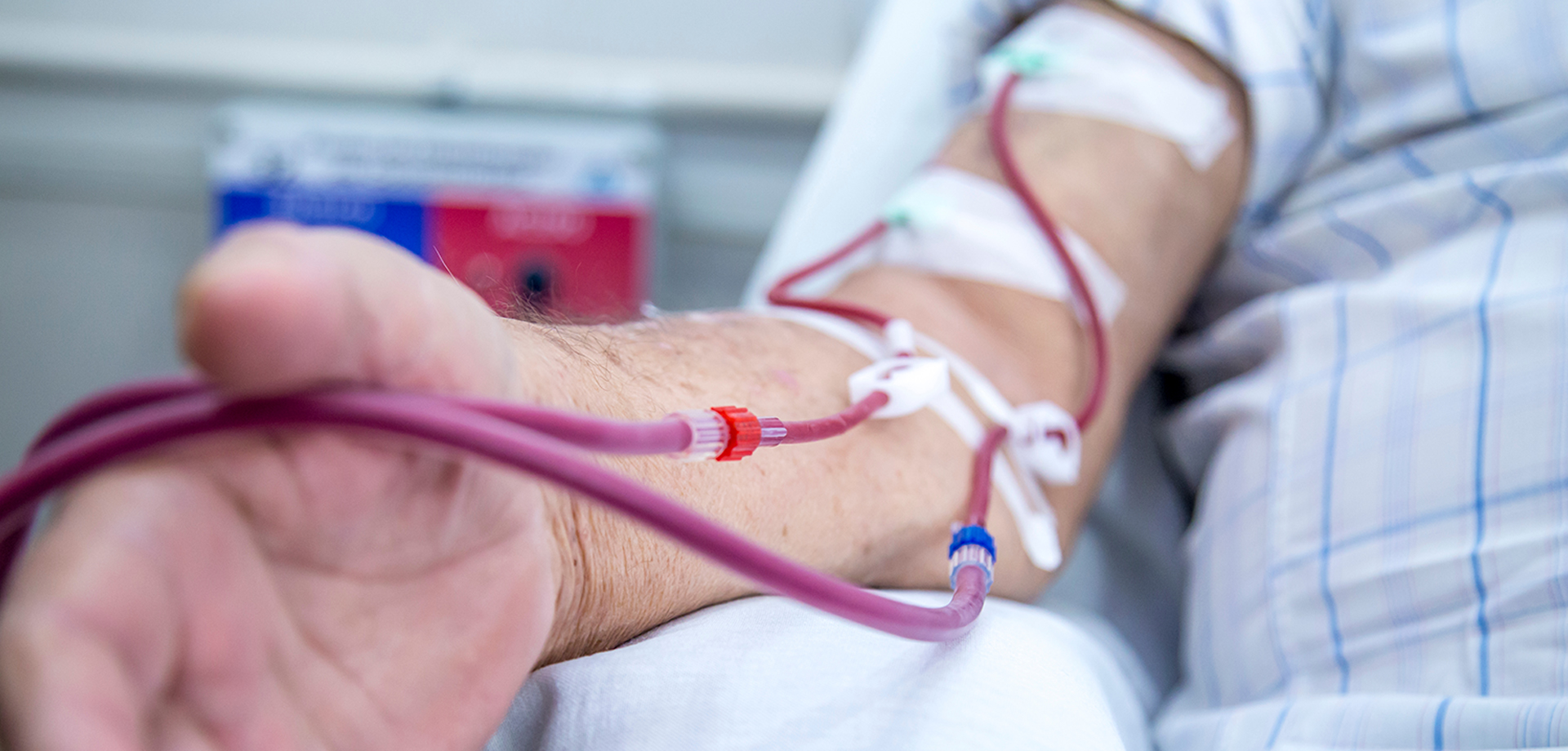
Long-term success of hemodialysis depends heavily on the reliability and health of vascular access. Access site monitoring and timely revision are critical in preventing access failure, reducing hospitalizations, and maintaining effective dialysis delivery. At IMH, access surveillance is an integral part of the nephrology care continuum.
Vascular access complications such as stenosis, thrombosis, aneurysm formation, and inadequate blood flow often develop silently before access failure occurs. Routine monitoring allows early identification and intervention, preserving access longevity.
IMH employs a structured monitoring protocol that includes clinical examination, dialysis performance indicators, and imaging studies when indicated. Signs such as reduced dialysis adequacy, prolonged bleeding after needle removal, changes in thrill or bruit, limb swelling, or repeated alarms during dialysis sessions trigger immediate evaluation.
When abnormalities are detected, timely access revision is planned. This may involve surgical revision, angioplasty, thrombectomy, or graft repair, depending on the underlying issue. Interventions are performed with the goal of restoring optimal blood flow while preserving future access options.
Post-revision care includes close monitoring, patient education, and coordination between nephrologists, vascular specialists, dialysis nurses, and Family Medicine physicians. Patients are educated on daily self-checks, limb protection, and early symptom recognition.
Access site monitoring also plays a key role in infection prevention and patient safety. Regular surveillance reduces emergency catheter placements and improves overall dialysis outcomes.
At IMH, proactive access management ensures dialysis patients experience fewer interruptions, improved treatment efficiency, and enhanced quality of life.
Vascular access complications such as stenosis, thrombosis, aneurysm formation, and inadequate blood flow often develop silently before access failure occurs. Routine monitoring allows early identification and intervention, preserving access longevity.
IMH employs a structured monitoring protocol that includes clinical examination, dialysis performance indicators, and imaging studies when indicated. Signs such as reduced dialysis adequacy, prolonged bleeding after needle removal, changes in thrill or bruit, limb swelling, or repeated alarms during dialysis sessions trigger immediate evaluation.
When abnormalities are detected, timely access revision is planned. This may involve surgical revision, angioplasty, thrombectomy, or graft repair, depending on the underlying issue. Interventions are performed with the goal of restoring optimal blood flow while preserving future access options.
Post-revision care includes close monitoring, patient education, and coordination between nephrologists, vascular specialists, dialysis nurses, and Family Medicine physicians. Patients are educated on daily self-checks, limb protection, and early symptom recognition.
Access site monitoring also plays a key role in infection prevention and patient safety. Regular surveillance reduces emergency catheter placements and improves overall dialysis outcomes.
At IMH, proactive access management ensures dialysis patients experience fewer interruptions, improved treatment efficiency, and enhanced quality of life.
Quick Contact
If you have any questions simply use the following contact details.

Working Hours
-
Out-patient Department
Monday to Saturday 08:00 AM - 09:00 PM
Sunday 10:00 AM - 06:00 PM
-
Emergency Department & Pharmacy
Sunday to Saturday 24x7



Book Appointments, Inquire, or Manage Your Care Easily – Get in Touch via
 04 406 3000
  04 406 3000
Quick Links
Legal
Working Hours
-
Out-patient Department
Monday to Saturday | 8 AM to 9 PM
Sunday | 10 AM to 6 PM
Emergency Department & Pharmacy | 24x7
Connect with us!




©2026 IMH. All Rights Reserved. Ministry of Health License No : TEBMJIU0-060622