

Access Infection Management
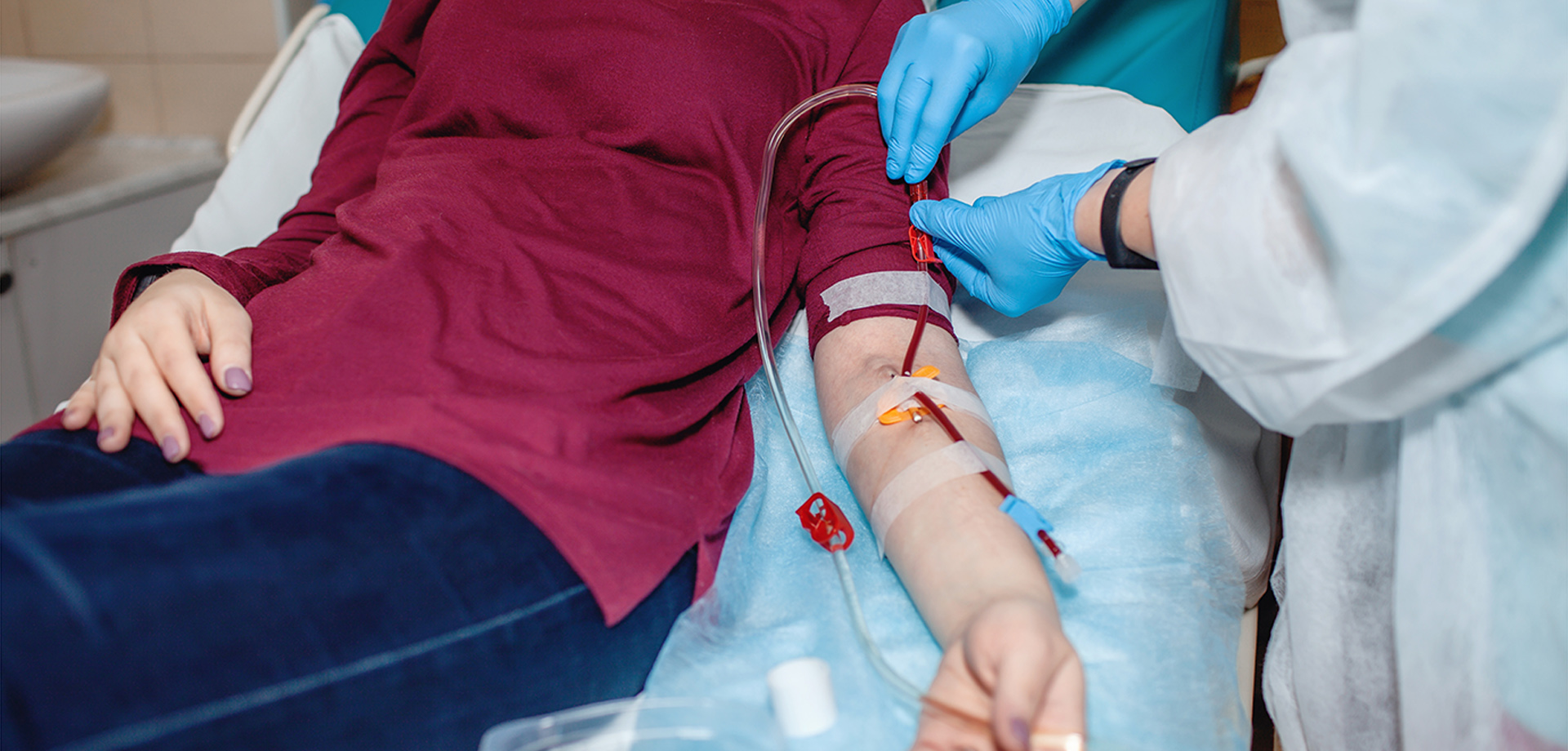
Infections related to dialysis access are among the most serious complications faced by patients receiving renal replacement therapy. These infections can lead to hospitalization, access loss, bloodstream infections, and increased mortality if not promptly managed. At IMH, access infection management follows evidence-based protocols with rapid response and multidisciplinary coordination.
Infections may involve tunneled catheters, AV fistulas, or AV grafts. Catheter-related bloodstream infections are particularly concerning due to direct access to central circulation. Early recognition is critical and includes symptoms such as fever, chills, localized redness, discharge, pain, or unexplained hypotension during dialysis.
IMH’s approach begins with prompt clinical evaluation, blood cultures, and imaging when required. Empiric antibiotic therapy is initiated early and adjusted based on culture results and sensitivity patterns. Nephrologists work closely with infectious disease specialists to ensure appropriate antimicrobial coverage.
Decisions regarding access salvage versus removal are made on a case-by-case basis, considering infection severity, organism type, patient stability, and availability of alternative access. In severe cases, catheter removal or surgical intervention may be required to control infection and prevent sepsis.
Preventive strategies are equally emphasized. These include strict aseptic techniques during dialysis, routine access surveillance, patient education on hygiene, and minimizing catheter dependency by early transition to fistulas or grafts. Through early detection, targeted treatment, and strong preventive measures, IMH ensures dialysis access infections are managed effectively while prioritizing patient safety and continuity of care.
Infections may involve tunneled catheters, AV fistulas, or AV grafts. Catheter-related bloodstream infections are particularly concerning due to direct access to central circulation. Early recognition is critical and includes symptoms such as fever, chills, localized redness, discharge, pain, or unexplained hypotension during dialysis.
IMH’s approach begins with prompt clinical evaluation, blood cultures, and imaging when required. Empiric antibiotic therapy is initiated early and adjusted based on culture results and sensitivity patterns. Nephrologists work closely with infectious disease specialists to ensure appropriate antimicrobial coverage.
Decisions regarding access salvage versus removal are made on a case-by-case basis, considering infection severity, organism type, patient stability, and availability of alternative access. In severe cases, catheter removal or surgical intervention may be required to control infection and prevent sepsis.
Preventive strategies are equally emphasized. These include strict aseptic techniques during dialysis, routine access surveillance, patient education on hygiene, and minimizing catheter dependency by early transition to fistulas or grafts. Through early detection, targeted treatment, and strong preventive measures, IMH ensures dialysis access infections are managed effectively while prioritizing patient safety and continuity of care.
Quick Contact
If you have any questions simply use the following contact details.

Working Hours
-
Out-patient Department
Monday to Saturday 08:00 AM - 09:00 PM
Sunday 10:00 AM - 06:00 PM
-
Emergency Department & Pharmacy
Sunday to Saturday 24x7


Book Appointments, Inquire, or Manage Your Care Easily – Get in Touch via
 04 406 3000
  04 406 3000
Quick Links
Legal
Working Hours
-
Out-patient Department
Monday to Saturday | 8 AM to 9 PM
Sunday | 10 AM to 6 PM
Emergency Department & Pharmacy | 24x7
Connect with us!




©2026 IMH. All Rights Reserved. Ministry of Health License No : TEBMJIU0-060622