

Diagnostic & Operative Laparoscopy
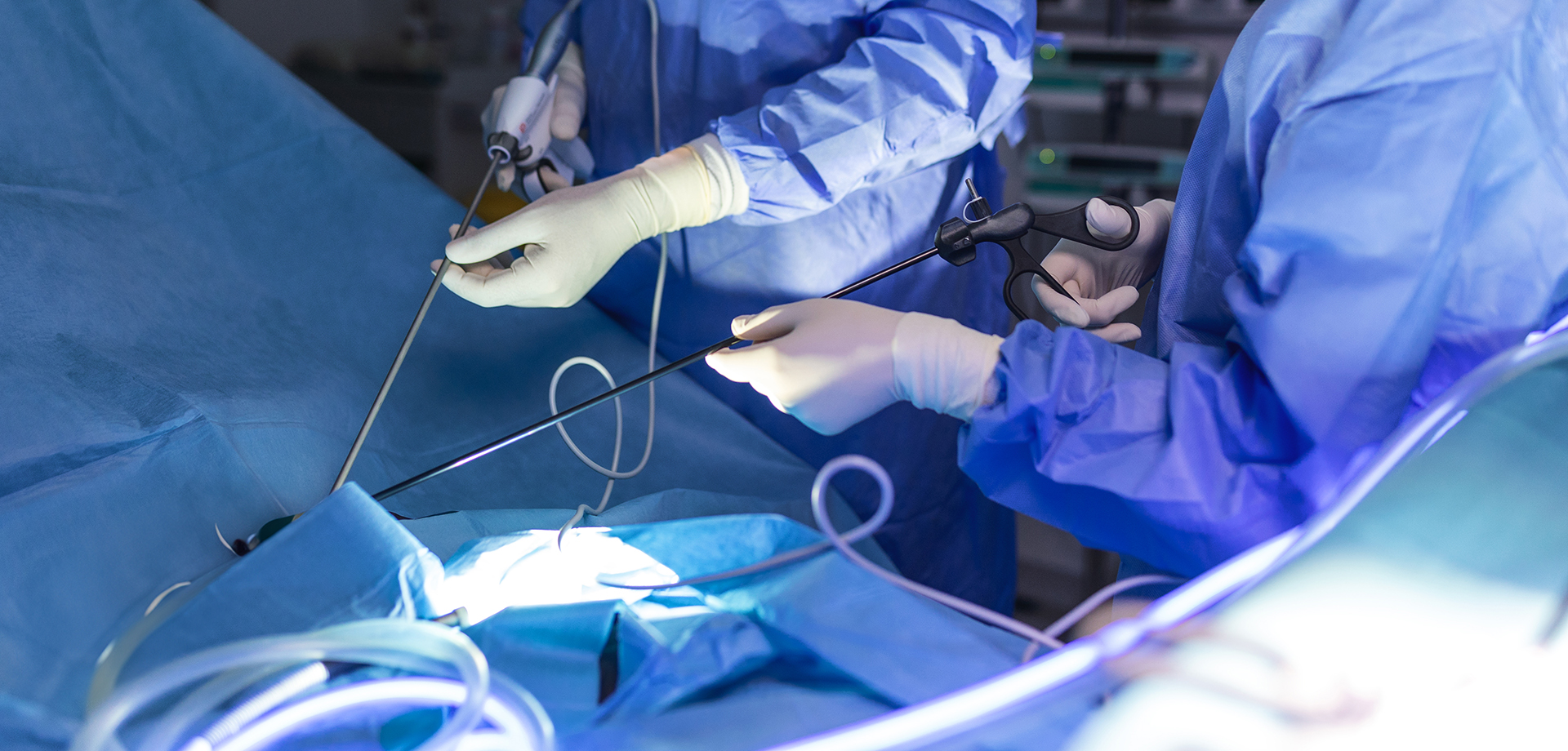
Diagnostic and operative laparoscopy is a minimally invasive surgical technique used to evaluate and treat a wide range of gynecologic conditions. It plays a central role in modern gynecology by allowing direct visualization of pelvic organs through small abdominal incisions, enabling accurate diagnosis and targeted surgical treatment with minimal trauma. Laparoscopy has transformed the management of many gynecologic disorders by reducing recovery time, postoperative pain, and surgical complications.
Diagnostic laparoscopy is performed when non-invasive investigations are inconclusive and direct assessment of pelvic anatomy is required. It is commonly used to evaluate chronic pelvic pain, infertility, suspected endometriosis, pelvic adhesions, ovarian pathology, and unexplained gynecologic symptoms. The procedure allows visualization of the uterus, ovaries, fallopian tubes, pelvic peritoneum, and surrounding structures in real time, providing diagnostic clarity that cannot always be achieved through imaging alone.
Operative laparoscopy extends beyond diagnosis and allows treatment of identified pathology during the same procedure. Common operative interventions include excision of endometriosis, ovarian cystectomy, myomectomy, adhesiolysis, treatment of ectopic pregnancy, and management of pelvic infections. The ability to diagnose and treat in a single surgical session improves efficiency and reduces the need for multiple procedures.
The laparoscopic approach involves insertion of a camera through a small incision, typically at the umbilicus, along with specialized instruments placed through additional small ports. High-definition visualization allows precise dissection and tissue handling while minimizing damage to surrounding organs. Advanced energy devices and fine instruments enhance surgical accuracy and safety.
One of the major advantages of laparoscopy is its minimally invasive nature. Compared to open surgery, laparoscopy is associated with reduced blood loss, lower infection risk, minimal scarring, and faster postoperative recovery. Most patients are discharged within 24 hours and return to normal activities within a short period.
Patient selection and surgical expertise are critical to achieving optimal outcomes. Preoperative assessment ensures that laparoscopy is appropriate and safe, while intraoperative decision-making allows conversion to open surgery if required for patient safety.
Diagnostic and operative laparoscopy is a cornerstone of contemporary gynecologic care. Its versatility, safety profile, and effectiveness make it an essential tool for accurate diagnosis and definitive treatment, improving both short-term recovery and long-term health outcomes.
Diagnostic laparoscopy is performed when non-invasive investigations are inconclusive and direct assessment of pelvic anatomy is required. It is commonly used to evaluate chronic pelvic pain, infertility, suspected endometriosis, pelvic adhesions, ovarian pathology, and unexplained gynecologic symptoms. The procedure allows visualization of the uterus, ovaries, fallopian tubes, pelvic peritoneum, and surrounding structures in real time, providing diagnostic clarity that cannot always be achieved through imaging alone.
Operative laparoscopy extends beyond diagnosis and allows treatment of identified pathology during the same procedure. Common operative interventions include excision of endometriosis, ovarian cystectomy, myomectomy, adhesiolysis, treatment of ectopic pregnancy, and management of pelvic infections. The ability to diagnose and treat in a single surgical session improves efficiency and reduces the need for multiple procedures.
The laparoscopic approach involves insertion of a camera through a small incision, typically at the umbilicus, along with specialized instruments placed through additional small ports. High-definition visualization allows precise dissection and tissue handling while minimizing damage to surrounding organs. Advanced energy devices and fine instruments enhance surgical accuracy and safety.
One of the major advantages of laparoscopy is its minimally invasive nature. Compared to open surgery, laparoscopy is associated with reduced blood loss, lower infection risk, minimal scarring, and faster postoperative recovery. Most patients are discharged within 24 hours and return to normal activities within a short period.
Patient selection and surgical expertise are critical to achieving optimal outcomes. Preoperative assessment ensures that laparoscopy is appropriate and safe, while intraoperative decision-making allows conversion to open surgery if required for patient safety.
Diagnostic and operative laparoscopy is a cornerstone of contemporary gynecologic care. Its versatility, safety profile, and effectiveness make it an essential tool for accurate diagnosis and definitive treatment, improving both short-term recovery and long-term health outcomes.
Quick Contact
If you have any questions simply use the following contact details.

Working Hours
-
Out-patient Department
Monday to Saturday 08:00 AM - 09:00 PM
Sunday 10:00 AM - 06:00 PM
-
Emergency Department & Pharmacy
Sunday to Saturday 24x7


Book Appointments, Inquire, or Manage Your Care Easily – Get in Touch via
 04 406 3000
  04 406 3000
Quick Links
Legal
Working Hours
-
Out-patient Department
Monday to Saturday | 8 AM to 9 PM
Sunday | 10 AM to 6 PM
Emergency Department & Pharmacy | 24x7
Connect with us!




©2026 IMH. All Rights Reserved. Ministry of Health License No : TEBMJIU0-060622