

Diagnostic Nasal Endoscopy
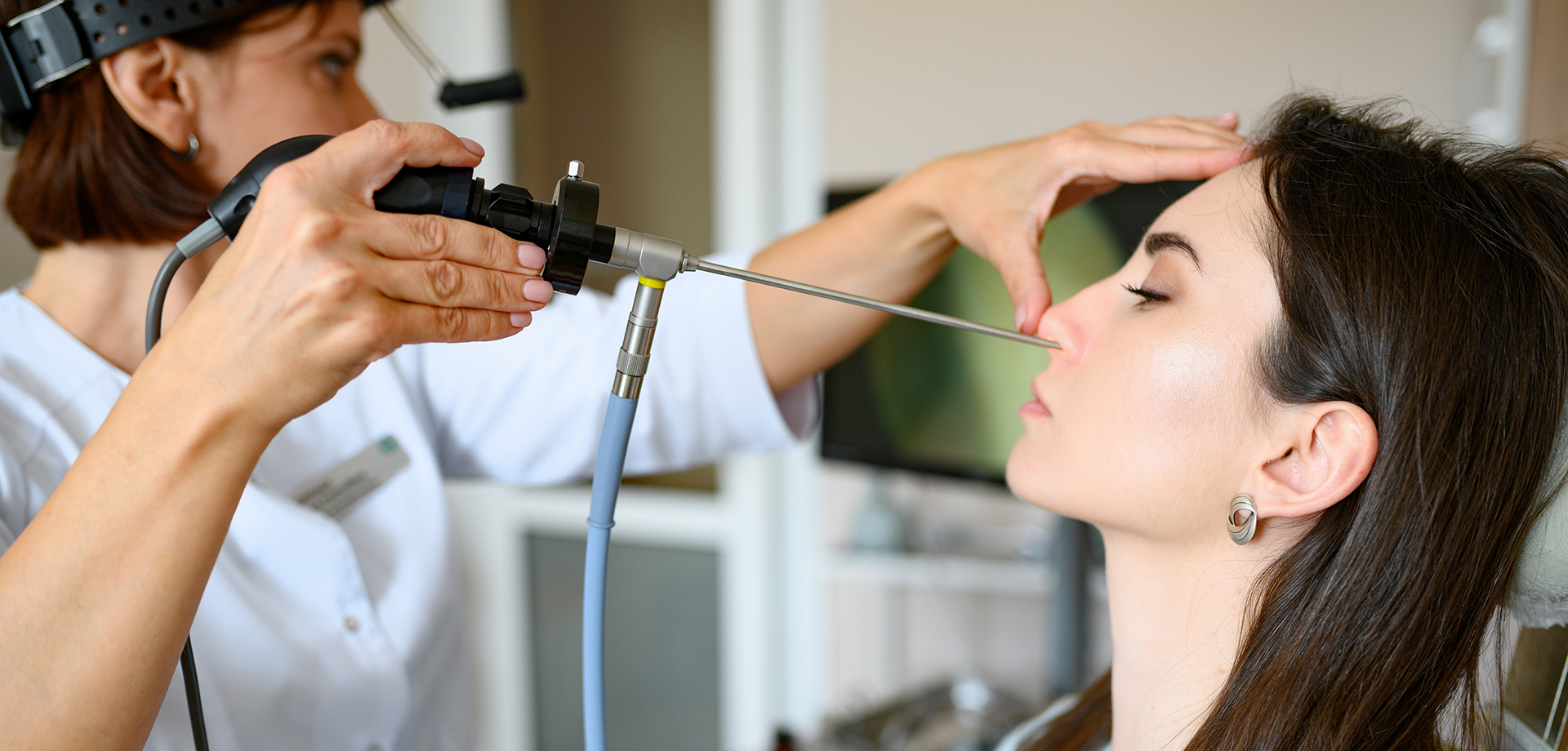
Diagnostic nasal endoscopy is a cornerstone investigation in modern ENT practice, allowing direct visualization of the nasal cavity and sinus drainage pathways. It is a minimally invasive, in-clinic procedure used to accurately diagnose a wide range of nasal and sinus conditions that cannot be adequately assessed through external examination alone. By providing magnified, illuminated views of internal nasal structures, nasal endoscopy enables precise diagnosis and targeted treatment planning.
The nasal cavity is a complex anatomical space containing the nasal septum, turbinates, sinus openings, adenoids, and nasopharynx. Many conditions such as chronic sinusitis, nasal polyps, adenoid hypertrophy, deviated nasal septum, tumors, or sources of recurrent nosebleeds may not be visible without endoscopic evaluation. Diagnostic nasal endoscopy is therefore indicated in patients with persistent nasal obstruction, chronic nasal discharge, facial pain, recurrent sinus infections, reduced sense of smell, unexplained nasal bleeding, snoring, or suspected structural abnormalities.
The procedure is typically performed in an outpatient setting. Before the examination, a topical decongestant and local anesthetic spray are applied to reduce discomfort and open the nasal passages. A thin, rigid or flexible endoscope equipped with a high-definition camera is gently introduced into the nostril. The ENT specialist systematically examines the nasal passages, septum, turbinates, sinus openings, and the nasopharynx, identifying inflammation, polyps, pus, bleeding points, or abnormal growths.
Diagnostic nasal endoscopy is generally well tolerated and takes only a few minutes to perform. Patients may feel mild pressure or temporary discomfort but significant pain is uncommon. Because no incisions are involved, there is no recovery time, and patients can resume normal activities immediately after the procedure.
The clinical value of nasal endoscopy lies in its ability to provide real-time, objective findings that guide management decisions. It helps determine whether medical treatment is sufficient or surgical intervention is required. In postoperative patients, nasal endoscopy is essential for monitoring healing, clearing crusts, and detecting early recurrence of disease.
Overall, diagnostic nasal endoscopy is a safe, accurate, and indispensable tool in ENT practice, enabling early diagnosis, preventing unnecessary imaging, and ensuring precise, patient-specific treatment planning.
The nasal cavity is a complex anatomical space containing the nasal septum, turbinates, sinus openings, adenoids, and nasopharynx. Many conditions such as chronic sinusitis, nasal polyps, adenoid hypertrophy, deviated nasal septum, tumors, or sources of recurrent nosebleeds may not be visible without endoscopic evaluation. Diagnostic nasal endoscopy is therefore indicated in patients with persistent nasal obstruction, chronic nasal discharge, facial pain, recurrent sinus infections, reduced sense of smell, unexplained nasal bleeding, snoring, or suspected structural abnormalities.
The procedure is typically performed in an outpatient setting. Before the examination, a topical decongestant and local anesthetic spray are applied to reduce discomfort and open the nasal passages. A thin, rigid or flexible endoscope equipped with a high-definition camera is gently introduced into the nostril. The ENT specialist systematically examines the nasal passages, septum, turbinates, sinus openings, and the nasopharynx, identifying inflammation, polyps, pus, bleeding points, or abnormal growths.
Diagnostic nasal endoscopy is generally well tolerated and takes only a few minutes to perform. Patients may feel mild pressure or temporary discomfort but significant pain is uncommon. Because no incisions are involved, there is no recovery time, and patients can resume normal activities immediately after the procedure.
The clinical value of nasal endoscopy lies in its ability to provide real-time, objective findings that guide management decisions. It helps determine whether medical treatment is sufficient or surgical intervention is required. In postoperative patients, nasal endoscopy is essential for monitoring healing, clearing crusts, and detecting early recurrence of disease.
Overall, diagnostic nasal endoscopy is a safe, accurate, and indispensable tool in ENT practice, enabling early diagnosis, preventing unnecessary imaging, and ensuring precise, patient-specific treatment planning.
Quick Contact
If you have any questions simply use the following contact details.

Working Hours
-
Out-patient Department
Monday to Saturday 08:00 AM - 09:00 PM
Sunday 10:00 AM - 06:00 PM
-
Emergency Department & Pharmacy
Sunday to Saturday 24x7


Book Appointments, Inquire, or Manage Your Care Easily – Get in Touch via
 04 406 3000
  04 406 3000
Quick Links
Legal
Working Hours
-
Out-patient Department
Monday to Saturday | 8 AM to 9 PM
Sunday | 10 AM to 6 PM
Emergency Department & Pharmacy | 24x7
Connect with us!




©2026 IMH. All Rights Reserved. Ministry of Health License No : TEBMJIU0-060622