

Diagnostic Laryngoscopy
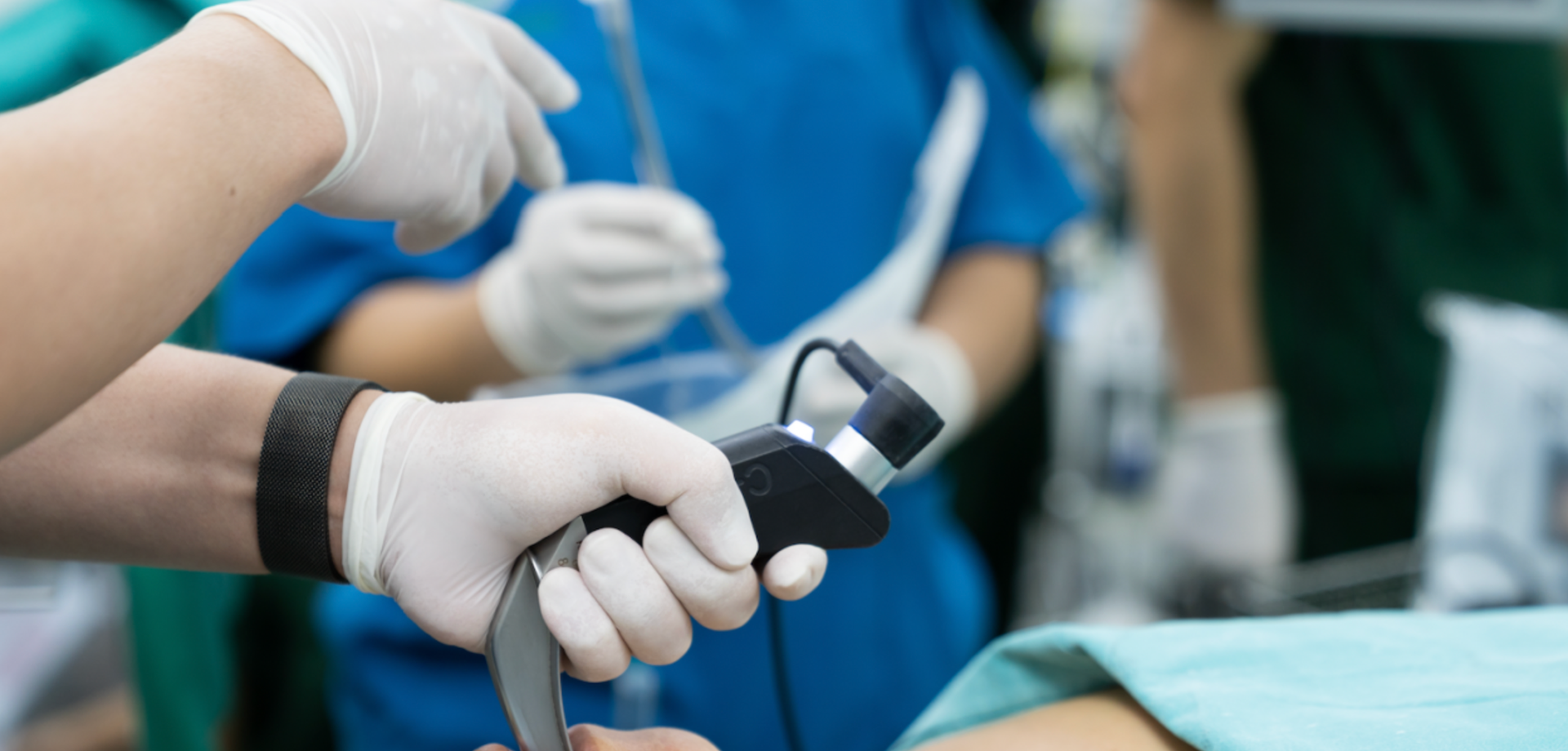
Diagnostic laryngoscopy is an essential ENT procedure used to examine the larynx, commonly known as the voice box, along with surrounding throat structures. The larynx plays a critical role in voice production, breathing, and airway protection. Disorders affecting this area can lead to hoarseness, voice loss, breathing difficulty, or swallowing problems, making accurate evaluation crucial.
This procedure is indicated in patients with persistent hoarseness lasting more than two to three weeks, voice changes, throat pain, chronic cough, difficulty swallowing, noisy breathing, or suspicion of vocal cord abnormalities. It is also used to evaluate laryngeal inflammation, vocal cord nodules or polyps, paralysis, infections, and tumors, particularly in individuals with risk factors such as smoking or occupational voice use.
Diagnostic laryngoscopy is commonly performed using a flexible fiberoptic laryngoscope in an outpatient setting. A topical anesthetic spray is applied to the nose or throat to minimize discomfort. The flexible scope is gently passed through the nose to visualize the larynx while the patient breathes and speaks. This allows dynamic assessment of vocal cord movement, symmetry, and closure during phonation.
The procedure is brief, typically lasting a few minutes, and is well tolerated. Patients may experience mild nasal or throat discomfort, which resolves quickly. There is no downtime, and patients can return to normal activities immediately.
The ability to directly visualize vocal cord structure and movement makes diagnostic laryngoscopy invaluable. It allows ENT specialists to distinguish between functional voice disorders and structural or neurological conditions. Early detection of serious pathology, including laryngeal cancer, significantly improves treatment outcomes.
Diagnostic laryngoscopy guides further management, which may include voice therapy, medical treatment, imaging, or surgical intervention. It is a safe, accurate, and indispensable investigation in the evaluation of voice and throat disorders.
This procedure is indicated in patients with persistent hoarseness lasting more than two to three weeks, voice changes, throat pain, chronic cough, difficulty swallowing, noisy breathing, or suspicion of vocal cord abnormalities. It is also used to evaluate laryngeal inflammation, vocal cord nodules or polyps, paralysis, infections, and tumors, particularly in individuals with risk factors such as smoking or occupational voice use.
Diagnostic laryngoscopy is commonly performed using a flexible fiberoptic laryngoscope in an outpatient setting. A topical anesthetic spray is applied to the nose or throat to minimize discomfort. The flexible scope is gently passed through the nose to visualize the larynx while the patient breathes and speaks. This allows dynamic assessment of vocal cord movement, symmetry, and closure during phonation.
The procedure is brief, typically lasting a few minutes, and is well tolerated. Patients may experience mild nasal or throat discomfort, which resolves quickly. There is no downtime, and patients can return to normal activities immediately.
The ability to directly visualize vocal cord structure and movement makes diagnostic laryngoscopy invaluable. It allows ENT specialists to distinguish between functional voice disorders and structural or neurological conditions. Early detection of serious pathology, including laryngeal cancer, significantly improves treatment outcomes.
Diagnostic laryngoscopy guides further management, which may include voice therapy, medical treatment, imaging, or surgical intervention. It is a safe, accurate, and indispensable investigation in the evaluation of voice and throat disorders.
Quick Contact
If you have any questions simply use the following contact details.

Working Hours
-
Out-patient Department
Monday to Saturday 08:00 AM - 09:00 PM
Sunday 10:00 AM - 06:00 PM
-
Emergency Department & Pharmacy
Sunday to Saturday 24x7



Book Appointments, Inquire, or Manage Your Care Easily – Get in Touch via
 04 406 3000
  04 406 3000
Quick Links
Legal
Working Hours
-
Out-patient Department
Monday to Saturday | 8 AM to 9 PM
Sunday | 10 AM to 6 PM
Emergency Department & Pharmacy | 24x7
Connect with us!




©2026 IMH. All Rights Reserved. Ministry of Health License No : TEBMJIU0-060622