

Diabetic Eye Screening Programs
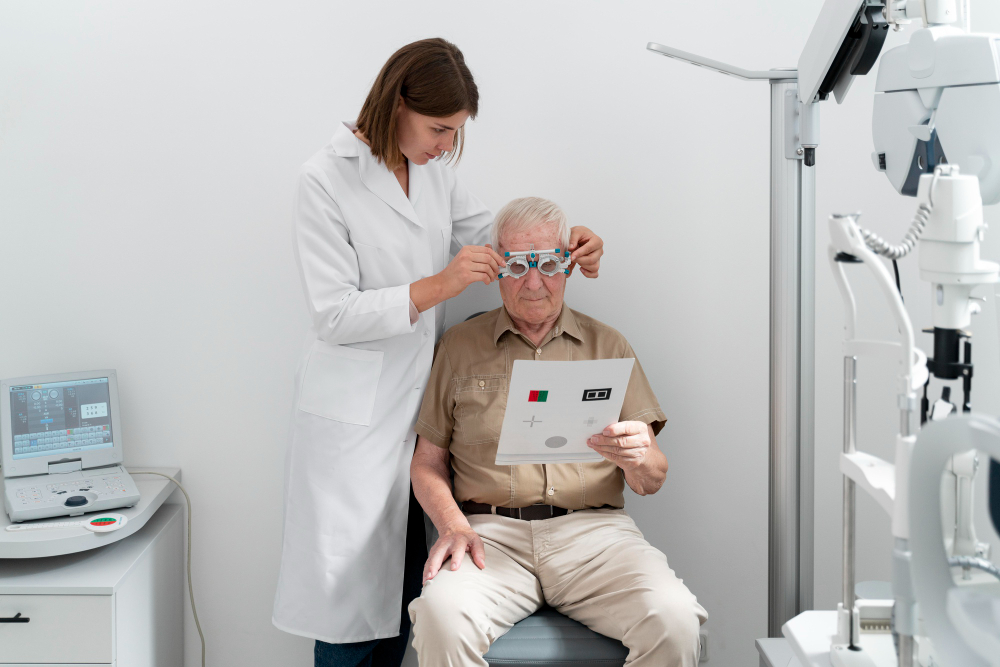
Diabetic eye screening programs are structured preventive services designed to detect early signs of diabetic retinopathy and other diabetes-related eye complications before irreversible vision loss occurs. Diabetes affects the small blood vessels throughout the body, and the retina is particularly vulnerable to damage from prolonged high blood sugar levels. Regular eye screening is one of the most effective strategies for preventing diabetes-related blindness.
In the early stages of diabetic eye disease, patients may have no symptoms despite ongoing retinal damage. Screening programs address this silent progression by providing routine retinal examinations for individuals with diabetes, regardless of visual complaints. Early detection allows timely intervention, significantly reducing the risk of vision-threatening complications.
A comprehensive diabetic eye screening program typically includes visual acuity testing, dilated fundus examination, retinal photography, and optical coherence tomography when indicated. These investigations help identify microaneurysms, retinal hemorrhages, macular edema, and abnormal blood vessel growth. Standardized grading systems allow consistent monitoring and risk stratification.
Coordination between ophthalmology services, endocrinologists, primary care physicians, and diabetes educators is central to successful screening programs. Clear referral pathways ensure patients with early disease are monitored closely, while those with advanced changes receive prompt specialist care.
Patient education is a key component of screening programs. Counseling emphasizes the importance of regular eye exams, good glycemic control, blood pressure management, and lipid regulation. Reminder systems and structured follow-up improve compliance and screening coverage.
Diabetic eye screening programs not only preserve vision but also reduce healthcare costs by preventing advanced disease requiring complex treatment. By integrating screening into routine diabetes care, healthcare systems can significantly lower the burden of preventable blindness and improve long-term outcomes for diabetic patients.
In the early stages of diabetic eye disease, patients may have no symptoms despite ongoing retinal damage. Screening programs address this silent progression by providing routine retinal examinations for individuals with diabetes, regardless of visual complaints. Early detection allows timely intervention, significantly reducing the risk of vision-threatening complications.
A comprehensive diabetic eye screening program typically includes visual acuity testing, dilated fundus examination, retinal photography, and optical coherence tomography when indicated. These investigations help identify microaneurysms, retinal hemorrhages, macular edema, and abnormal blood vessel growth. Standardized grading systems allow consistent monitoring and risk stratification.
Coordination between ophthalmology services, endocrinologists, primary care physicians, and diabetes educators is central to successful screening programs. Clear referral pathways ensure patients with early disease are monitored closely, while those with advanced changes receive prompt specialist care.
Patient education is a key component of screening programs. Counseling emphasizes the importance of regular eye exams, good glycemic control, blood pressure management, and lipid regulation. Reminder systems and structured follow-up improve compliance and screening coverage.
Diabetic eye screening programs not only preserve vision but also reduce healthcare costs by preventing advanced disease requiring complex treatment. By integrating screening into routine diabetes care, healthcare systems can significantly lower the burden of preventable blindness and improve long-term outcomes for diabetic patients.
Quick Contact
If you have any questions simply use the following contact details.

Working Hours
-
Out-patient Department
Monday to Saturday 08:00 AM - 09:00 PM
Sunday 10:00 AM - 06:00 PM
-
Emergency Department & Pharmacy
Sunday to Saturday 24x7



Book Appointments, Inquire, or Manage Your Care Easily – Get in Touch via
 04 406 3000
  04 406 3000
Quick Links
Legal
Working Hours
-
Out-patient Department
Monday to Saturday | 8 AM to 9 PM
Sunday | 10 AM to 6 PM
Emergency Department & Pharmacy | 24x7
Connect with us!




©2026 IMH. All Rights Reserved. Ministry of Health License No : TEBMJIU0-060622