

Dental Fillings (Restorations)
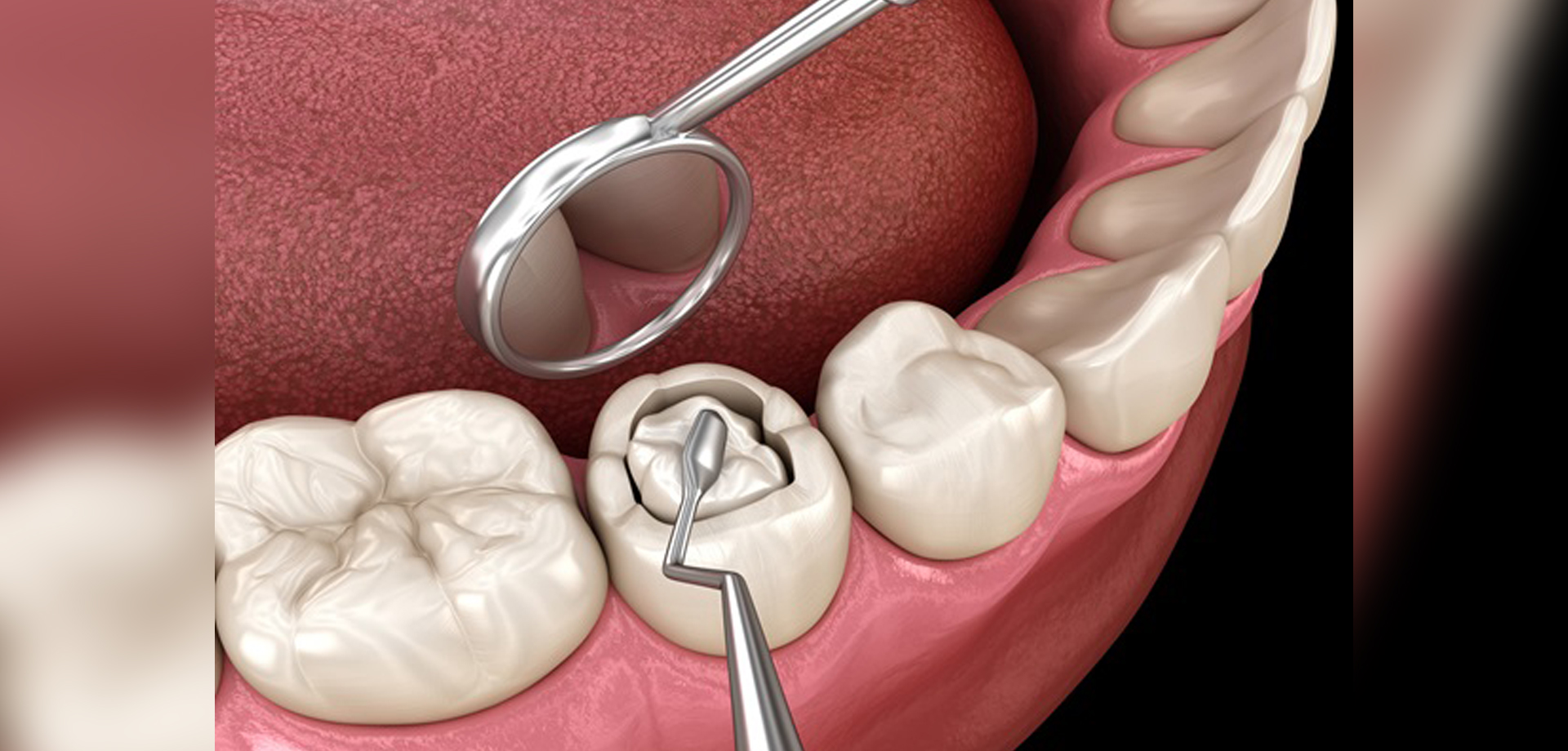
Dental fillings, also referred to as dental restorations, are a fundamental treatment used to repair teeth affected by decay, minor fractures, or structural wear. Tooth decay develops when plaque bacteria produce acids that gradually erode the enamel and dentin, leading to cavities that weaken the tooth over time. If untreated, decay can progress deeper into the tooth, causing pain, infection, and eventual tooth loss. Dental fillings are designed to remove decayed tissue and restore the tooth’s original shape, strength, and function while preventing further bacterial invasion.
Modern dentistry offers several types of filling materials, allowing treatment to be customized based on the tooth’s location, functional demands, and aesthetic considerations. Composite resin fillings are widely used today because they closely match the natural color of teeth and bond directly to tooth structure, providing excellent cosmetic and functional results. Other materials, such as glass ionomer, may be used in specific situations, particularly in pediatric dentistry or areas requiring additional fluoride protection. The choice of filling material is determined after a detailed clinical assessment to ensure durability and long-term success.
The procedure for placing a dental filling is straightforward and minimally invasive. After a comprehensive examination and diagnostic imaging to assess the extent of decay, local anesthesia is administered to ensure patient comfort. The dentist carefully removes the decayed portion of the tooth using precision instruments, ensuring that only affected tissue is eliminated. The cavity is then cleaned and prepared before the filling material is placed in layers, shaped to restore the natural contours of the tooth, and hardened using a curing light. The restoration is polished to create a smooth surface that blends seamlessly with the surrounding teeth and supports normal chewing function.
Dental fillings play a crucial role in preserving natural teeth and maintaining overall oral health. By sealing off areas where bacteria can enter, fillings prevent the progression of decay and reduce the risk of complications such as pulp infection or abscess formation. Restored teeth function normally during chewing and speaking, and tooth-colored fillings enhance appearance by maintaining a natural smile. Early treatment with fillings often eliminates the need for more extensive procedures such as root canal therapy or crowns.
The longevity of dental fillings depends on several factors, including the material used, oral hygiene practices, dietary habits, and bite forces. With proper care, composite fillings can last many years. Patients are advised to maintain regular brushing and flossing routines, limit sugary foods, and attend periodic dental check-ups to monitor the condition of restorations. Dental fillings remain one of the most effective, conservative, and essential treatments for protecting teeth and ensuring long-term oral health.
Modern dentistry offers several types of filling materials, allowing treatment to be customized based on the tooth’s location, functional demands, and aesthetic considerations. Composite resin fillings are widely used today because they closely match the natural color of teeth and bond directly to tooth structure, providing excellent cosmetic and functional results. Other materials, such as glass ionomer, may be used in specific situations, particularly in pediatric dentistry or areas requiring additional fluoride protection. The choice of filling material is determined after a detailed clinical assessment to ensure durability and long-term success.
The procedure for placing a dental filling is straightforward and minimally invasive. After a comprehensive examination and diagnostic imaging to assess the extent of decay, local anesthesia is administered to ensure patient comfort. The dentist carefully removes the decayed portion of the tooth using precision instruments, ensuring that only affected tissue is eliminated. The cavity is then cleaned and prepared before the filling material is placed in layers, shaped to restore the natural contours of the tooth, and hardened using a curing light. The restoration is polished to create a smooth surface that blends seamlessly with the surrounding teeth and supports normal chewing function.
Dental fillings play a crucial role in preserving natural teeth and maintaining overall oral health. By sealing off areas where bacteria can enter, fillings prevent the progression of decay and reduce the risk of complications such as pulp infection or abscess formation. Restored teeth function normally during chewing and speaking, and tooth-colored fillings enhance appearance by maintaining a natural smile. Early treatment with fillings often eliminates the need for more extensive procedures such as root canal therapy or crowns.
The longevity of dental fillings depends on several factors, including the material used, oral hygiene practices, dietary habits, and bite forces. With proper care, composite fillings can last many years. Patients are advised to maintain regular brushing and flossing routines, limit sugary foods, and attend periodic dental check-ups to monitor the condition of restorations. Dental fillings remain one of the most effective, conservative, and essential treatments for protecting teeth and ensuring long-term oral health.
Quick Contact
If you have any questions simply use the following contact details.

Working Hours
-
Out-patient Department
Monday to Saturday 08:00 AM - 09:00 PM
Sunday 10:00 AM - 06:00 PM
-
Emergency Department & Pharmacy
Sunday to Saturday 24x7



Book Appointments, Inquire, or Manage Your Care Easily – Get in Touch via
 04 406 3000
  04 406 3000
Quick Links
Legal
Working Hours
-
Out-patient Department
Monday to Saturday | 8 AM to 9 PM
Sunday | 10 AM to 6 PM
Emergency Department & Pharmacy | 24x7
Connect with us!




©2026 IMH. All Rights Reserved. Ministry of Health License No : TEBMJIU0-060622