

Contrast-Induced Nephropathy (CIN)
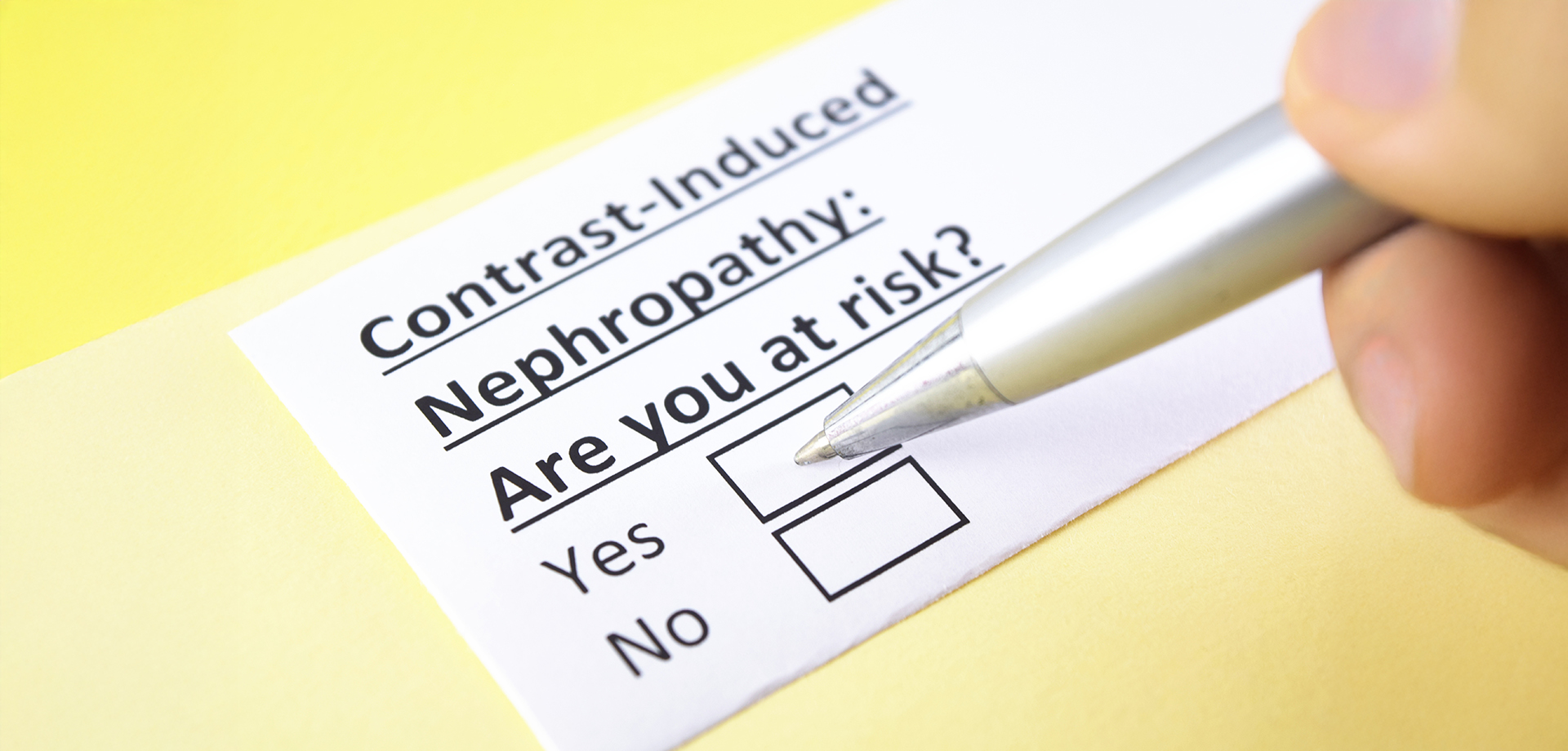
Contrast-induced nephropathy (CIN) refers to acute kidney injury occurring after exposure to iodinated contrast media used in imaging studies and interventional procedures. Patients with pre-existing kidney disease, diabetes, dehydration, or advanced age are at increased risk. IMH places strong emphasis on prevention, early detection, and prompt management of CIN.
Preventive strategies begin with risk stratification before contrast exposure. Nephrologists and radiologists collaborate to assess kidney function, review comorbidities, and determine the necessity of contrast use. When possible, alternative imaging modalities are considered.
Hydration remains the cornerstone of CIN prevention. IMH follows standardized hydration protocols using isotonic fluids before and after contrast administration, tailored to patient cardiovascular status. Nephrotoxic medications are temporarily withheld when appropriate.
Post-procedure monitoring includes serial kidney function tests and urine output assessment. Early detection allows timely intervention, minimizing progression to severe AKI.
Treatment of CIN focuses on supportive care, optimization of fluid balance, electrolyte correction, and avoidance of further nephrotoxic exposure. In severe cases, renal replacement therapy may be required.
Through proactive prevention and coordinated care, IMH significantly reduces the incidence and severity of contrast-related kidney injury.
Preventive strategies begin with risk stratification before contrast exposure. Nephrologists and radiologists collaborate to assess kidney function, review comorbidities, and determine the necessity of contrast use. When possible, alternative imaging modalities are considered.
Hydration remains the cornerstone of CIN prevention. IMH follows standardized hydration protocols using isotonic fluids before and after contrast administration, tailored to patient cardiovascular status. Nephrotoxic medications are temporarily withheld when appropriate.
Post-procedure monitoring includes serial kidney function tests and urine output assessment. Early detection allows timely intervention, minimizing progression to severe AKI.
Treatment of CIN focuses on supportive care, optimization of fluid balance, electrolyte correction, and avoidance of further nephrotoxic exposure. In severe cases, renal replacement therapy may be required.
Through proactive prevention and coordinated care, IMH significantly reduces the incidence and severity of contrast-related kidney injury.
Quick Contact
If you have any questions simply use the following contact details.

Working Hours
-
Out-patient Department
Monday to Saturday 08:00 AM - 09:00 PM
Sunday 10:00 AM - 06:00 PM
-
Emergency Department & Pharmacy
Sunday to Saturday 24x7


Book Appointments, Inquire, or Manage Your Care Easily – Get in Touch via
 04 406 3000
  04 406 3000
Quick Links
Legal
Working Hours
-
Out-patient Department
Monday to Saturday | 8 AM to 9 PM
Sunday | 10 AM to 6 PM
Emergency Department & Pharmacy | 24x7
Connect with us!




©2026 IMH. All Rights Reserved. Ministry of Health License No : TEBMJIU0-060622