

Cesarean Section (C-Section)
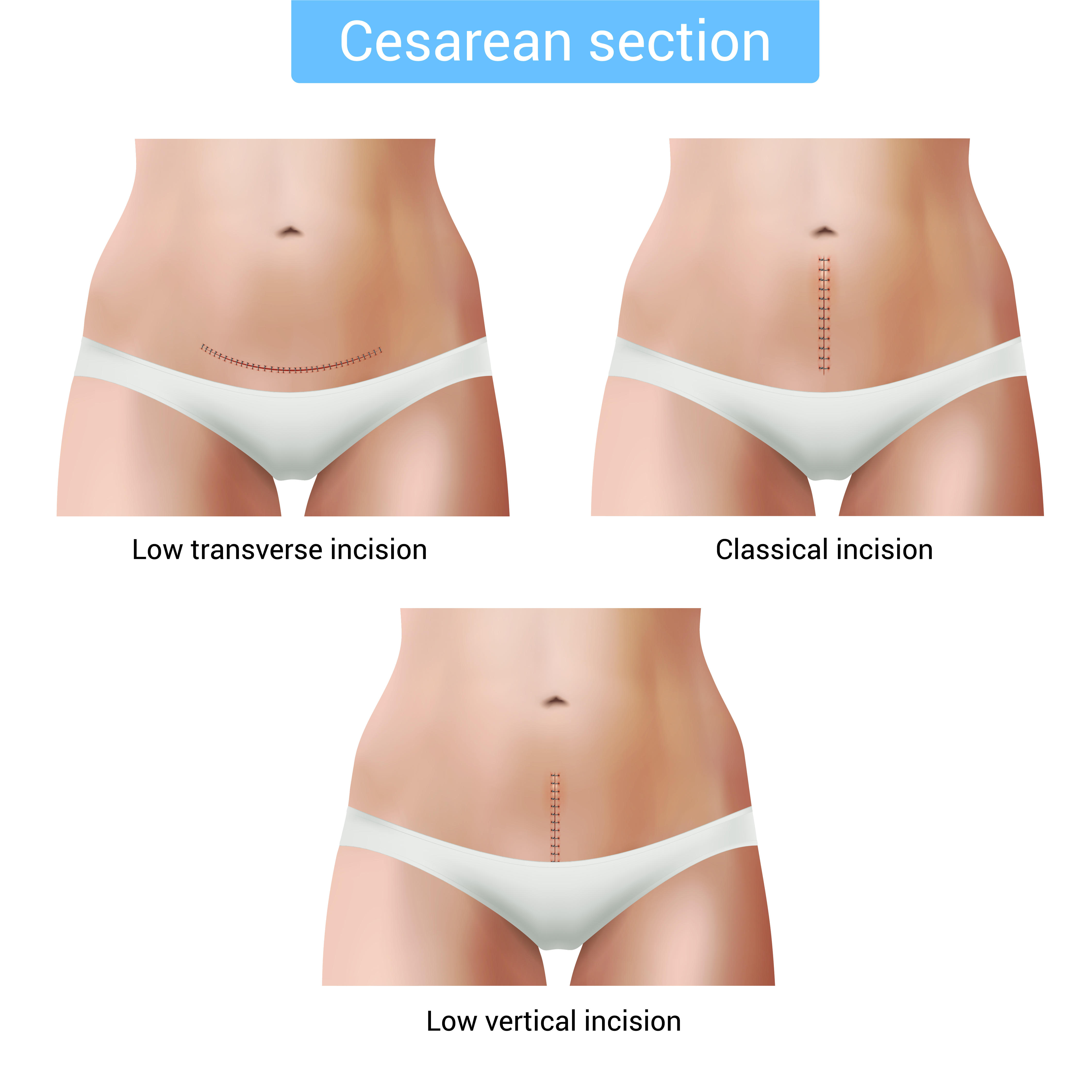
A cesarean section is a surgical procedure in which a baby is delivered through incisions made in the mother’s abdomen and uterus. It is a critical obstetric intervention performed when vaginal delivery poses a risk to the mother, fetus, or both. Cesarean section may be planned in advance or performed as an emergency during labor, depending on clinical circumstances.
Planned cesarean sections are typically scheduled when specific obstetric or medical conditions are present, such as placenta previa, abnormal fetal presentation, multiple previous uterine surgeries, or certain maternal health conditions. Emergency cesarean sections are performed when complications arise during labor, including fetal distress, failure to progress, uterine rupture, or severe maternal bleeding. In both situations, the decision to proceed with cesarean delivery is made to ensure the safest possible outcome.
The procedure is performed in a sterile operating environment under regional or general anesthesia. Surgical technique involves careful entry into the abdominal cavity, controlled uterine incision, delivery of the baby, and meticulous closure to minimize bleeding and infection risk. Advances in surgical methods and anesthesia have significantly improved the safety profile of cesarean delivery.
Postoperative care is an essential component of cesarean section management. Pain control, early mobilization, wound care, and monitoring for complications such as infection, bleeding, or thromboembolism are prioritized. Although recovery following cesarean delivery is longer compared to vaginal birth, most women recover well with appropriate postoperative support.
Cesarean section carries inherent risks associated with major abdominal surgery, including longer hospital stay, delayed recovery, and increased risks in subsequent pregnancies. These may include abnormal placental attachment, uterine scar complications, and higher likelihood of repeat cesarean delivery. For this reason, cesarean section is recommended only when medically indicated.
For the newborn, cesarean delivery can be life-saving in situations of compromised oxygen supply or obstructed labor. Neonatal outcomes are generally excellent when the procedure is performed in a timely and controlled manner.
Cesarean section remains an indispensable component of modern obstetric care. When appropriately indicated and expertly performed, it ensures the safety of both mother and baby while providing a vital alternative when vaginal delivery is not possible or safe.
Planned cesarean sections are typically scheduled when specific obstetric or medical conditions are present, such as placenta previa, abnormal fetal presentation, multiple previous uterine surgeries, or certain maternal health conditions. Emergency cesarean sections are performed when complications arise during labor, including fetal distress, failure to progress, uterine rupture, or severe maternal bleeding. In both situations, the decision to proceed with cesarean delivery is made to ensure the safest possible outcome.
The procedure is performed in a sterile operating environment under regional or general anesthesia. Surgical technique involves careful entry into the abdominal cavity, controlled uterine incision, delivery of the baby, and meticulous closure to minimize bleeding and infection risk. Advances in surgical methods and anesthesia have significantly improved the safety profile of cesarean delivery.
Postoperative care is an essential component of cesarean section management. Pain control, early mobilization, wound care, and monitoring for complications such as infection, bleeding, or thromboembolism are prioritized. Although recovery following cesarean delivery is longer compared to vaginal birth, most women recover well with appropriate postoperative support.
Cesarean section carries inherent risks associated with major abdominal surgery, including longer hospital stay, delayed recovery, and increased risks in subsequent pregnancies. These may include abnormal placental attachment, uterine scar complications, and higher likelihood of repeat cesarean delivery. For this reason, cesarean section is recommended only when medically indicated.
For the newborn, cesarean delivery can be life-saving in situations of compromised oxygen supply or obstructed labor. Neonatal outcomes are generally excellent when the procedure is performed in a timely and controlled manner.
Cesarean section remains an indispensable component of modern obstetric care. When appropriately indicated and expertly performed, it ensures the safety of both mother and baby while providing a vital alternative when vaginal delivery is not possible or safe.
Quick Contact
If you have any questions simply use the following contact details.

Working Hours
-
Out-patient Department
Monday to Saturday 08:00 AM - 09:00 PM
Sunday 10:00 AM - 06:00 PM
-
Emergency Department & Pharmacy
Sunday to Saturday 24x7


Book Appointments, Inquire, or Manage Your Care Easily – Get in Touch via
 04 406 3000
  04 406 3000
Quick Links
Legal
Working Hours
-
Out-patient Department
Monday to Saturday | 8 AM to 9 PM
Sunday | 10 AM to 6 PM
Emergency Department & Pharmacy | 24x7
Connect with us!




©2026 IMH. All Rights Reserved. Ministry of Health License No : TEBMJIU0-060622